Bristol Harbor Goes Digital: 3D Twin Revolutionizes Asset Management and Safety
Bristol City Council has successfully completed a pioneering project to digitally future-proof its vital harbor infrastructure, embracing advanced remote sensing and 3D visualization. Partnering with Mott MacDonald, the city has created a sophisticated “digital twin” of its 21-kilometer harbor, dramatically overhauling how it manages over 300 above and below-water assets.
Tired of costly, dangerous, and disruptive traditional inspection methods—which often required road closures, diving crews, and hazardous rope access—the Council sought a smarter, safer solution.
The project leveraged a range of cutting-edge remote sensing tools, including Unmanned Aerial Vehicles (UAVs), Unmanned Surface Vessels (USVs), and LiDAR scanning, to capture over one terabyte of high-resolution 3D data. This massive dataset now powers desktop-based, 24/7 virtual inspections, eliminating the need for dangerous on-site manual checks.
This method helped fasten the data collection by 50%, while also eliminating hazardous ropework and diving. Besides, it also reduced costs by removing travel and clearance needs, and provided Always-On Access to the 3D digital twin via a web platform.
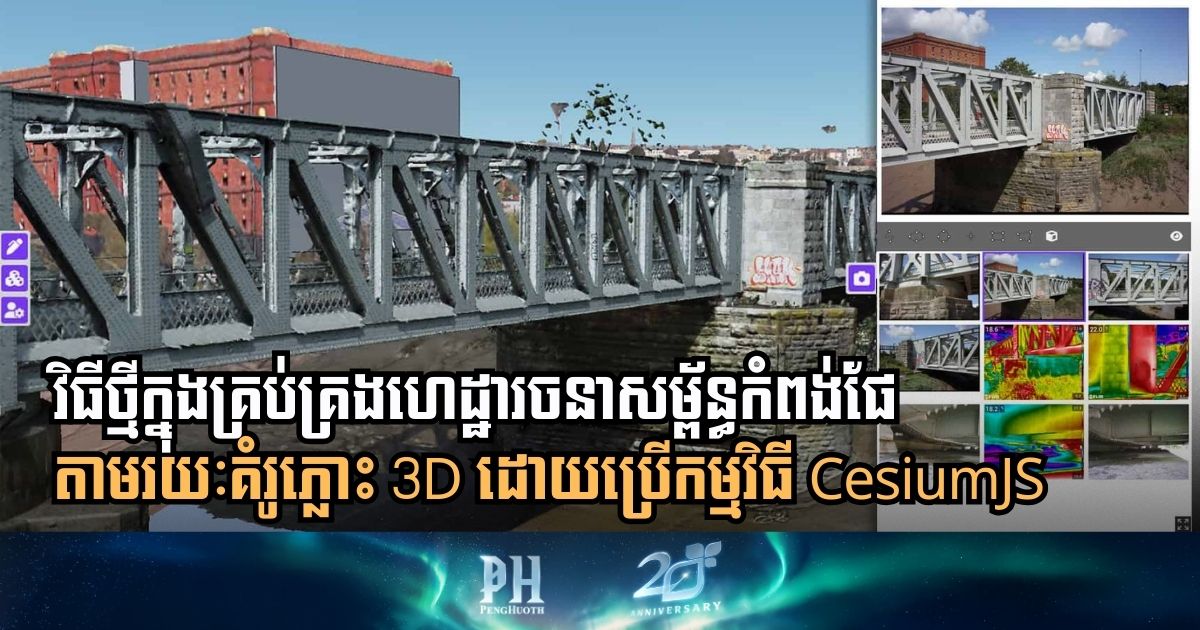
Mott MacDonald utilized the CesiumJS platform to bring all this complex 3D data—including point clouds and photo-realistic mesh models—into an easily accessible, web-based environment. This platform allows stakeholders to virtually inspect asset defects, annotate models, compare data across different years, and collaborate in real-time.
By transitioning to this digital approach, Bristol is not only enhancing the safety and efficiency of its operations but also achieving a more sustainable and cost-effective monitoring program. This digital foundation supports long-term planning, climate adaptation strategies, and ensures the continued protection of the harbor’s crucial cultural, ecological, and economic role in the city.
- Video Advertisement -