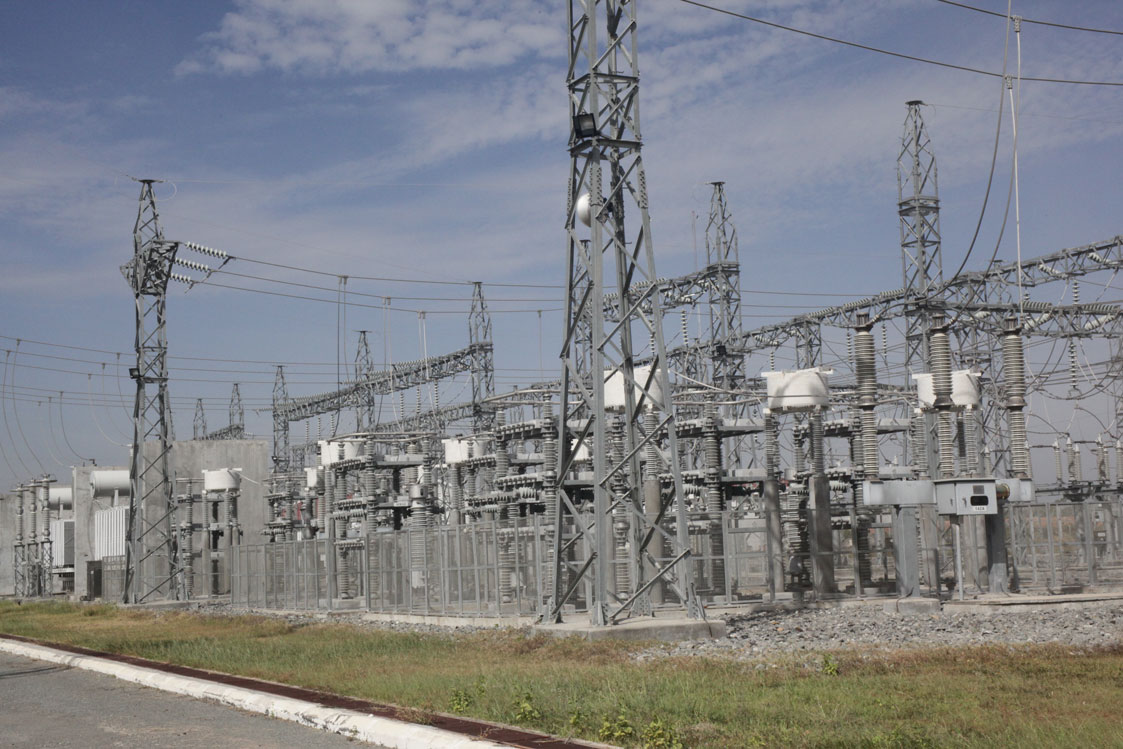


The Improvement of Electricity Supply in Cambodia

With the rapid economic growth and development of Cambodia between 1999 and 2013, electricity demand has been forecasted to grow at 17.9 percent annually from 2012 to 2020.

Most of Cambodia’s electrical supply comes from heavy fuel oil and diesel oil generators and imported electricity from Vietnam, Thailand, and Laos. Cambodia’s hydropower generation is quickly growing and in 2014 the country’s first coal-fired power plant began operation.

Phnom Penh is alone responsible for 90 percent of Cambodia’s total electricity consumption. Expansion of distribution lines to rural areas where approximately 80 percent of the population reside remains limited. Most people in rural areas rely mainly on car batteries and expensive diesel generators to meet their daily needs.

Ty Thany, Executive Director of Electricity Authority of Cambodia (EAC) said during the closing ceremony of the Rural Electrification Convention on 21 January that electricity suppliers and agencies are strongly motivated to expand their coverage to rural areas in order to meet the government goal which ensures that 100 percent of population will has access to electricity by 2020. EAC plans to extend its electricity supplies by 15 percent in 2015.

According to a report from Electricite Du Cambodge (EDC), presently 339 authorized electricity suppliers are covering more than 11,000, or 80 percent, of the villages around the country. It said 8,489 villages (about 60 percent) already have access to electricity; more than 3,000 villages (about 25 percent) are under the process of being connected to the grid and 2,168 villages (about 15 percent) have yet to be connected.

Hydropwer dams, with strong Chinese investment in particular, are generally considered a renewable energy source and are an important feature of the government’s energy plan. However, plans for megadams may place both the environment and people at risk. Experts warned that the Tonle Sap, the fourth-largest fishery in the world, could face “a 50 percent reduction in fish production over the next 30 years” if the 11 planned upstream dams on the Mekong River are constructed.

But Prime Minister Hun Sen said during the inauguration ceremony of Russei Jrum Kraom Hydropower Station at Koh Kong Province that no development occurs without environmental impacts. “In Vietnam, they are commencing projects with nuclear power. If we talk about pressure on the environment, how about countries that extract crude oil from underground or under the sea? The issue here is to measure between economic loss and profit,” he said.

He also referred to the cancelling and delaying of some development projects due to large-scale environmental impact and leaving the matter to the younger generation.

According to estimations from the Ministry of Mines and Energy, electricity generated from hydropower dams is expected to contribute to more than 50 percent of the total electricity supply and over 2,100 kilometers of transmission lines will be built to assist distribution of this new generation capacity. The rest of the supply is expected to be supplemented by imports from neighboring countries such as Thailand, Vietnam, and Laos.

Due to the high cost of imported fuels and fragmented power supply systems, energy prices in Cambodia are among the highest in the region, ranging from 600 Riel (US$0.15) per KWH) in Phnom Penh to over 4,000 Riel (US$1.00) p/KWH in some rural areas.

According to the electricity price plan of EAC for 2015, industries and commercial entities subscribing to electricity directly from sub-stations will pay 530 Riel/KWH; from lines in Phnom Penh it costs 725 Riel/KWH and from provincial lines it costs 707 Riel. By 2020 all lines will cost only 660 Riel. The price trend is therefore going down.

For households, consumption costs are between 920 and 820 Riel/KWH in 2015 and 730 Riel by 2020 for the areas under the national line and 1,000 Riel – 1,100 Riel in 2015 and 730 Riel by 2020 for areas under private lines. The favorable rate for poor residents and farmers in areas covered by the state transmission lines for less than 50 KWH/month costs 610 Riel/KWH from 2015 through to 2020.

- Video Advertisement -

Related Post

Massive Industrial Expansion Set for Kampong Speu as Chinese Firm Proposes New Special Economic Zone

Strategic development project spanning over four hundred hectares aims to bolster Cambodia’s manufacturing capacity and create thousands of local employment opportunities The industrial landscape of Kampong Speu province is poised for a significant transformation following a formal proposal by a Chinese firm to establish a sprawling special economic zone. On January 6, 2026, the Council […]
Cambodia Records Surge in Investment with Ten Billion Dollars in New Projects for 2025

Cambodia has reached a major economic milestone in 2025, securing 630 new investment projects with a total capital value of approximately 10 billion dollars. This performance represents a significant 45 percent increase in investment volume compared to the previous year, highlighting the Kingdom’s growing appeal as a strategic hub for international capital. The Council for […]

Cambodia Strengthens Environmental Guardrails as Natural Resource Crimes Decline in 2025

Enhanced ranger patrols and advanced monitoring technologies drive a fifteen percent drop in violations across protected landscapes while boosting legal accountability Cambodia has marked a significant shift in its environmental protection efforts throughout 2025, reporting a notable decrease in natural resource crimes across the Kingdom. According to the latest data from the Ministry of Environment, […]

Kandal Province Launches Official Construction of Prek Thnot Riverbank Park to Enhance Urban Beauty

Provincial authorities and Ministry officials join forces to transform the southern riverbank into a modern recreational space for residents and tourists The landscape of Takhmao city is set for a significant aesthetic upgrade following the official groundbreaking of the Prek Thnoat riverbank park project on January 3, 2026. This ambitious development, situated along the southern […]
Cambodia Surpasses $600 Million Revenue Milestone in Global Rice Exports

Strategic expansion into European and ASEAN markets drives record-breaking year for the Kingdom’s agricultural sector as total exports exceed nine hundred thousand tons Cambodia’s agricultural sector has achieved a significant economic victory in 2025, recording over $602.41 million in revenue from the export of milled rice to international markets. Over the course of the twelve […]

LSU Launches America’s First Industry-Backed Digital Twin Certificate

Louisiana State University (LSU) has announced the launch of the nation’s first Digital Twin Design and Production Certificate, a landmark educational program co-developed with industry leaders, including Bentley Systems. The online initiative aims to bridge the growing skills gap in “digital twin” technology—a field that has become essential to the design, construction, and operation of […]