

 English
  ខ្មែរ
ខ្មែរ 

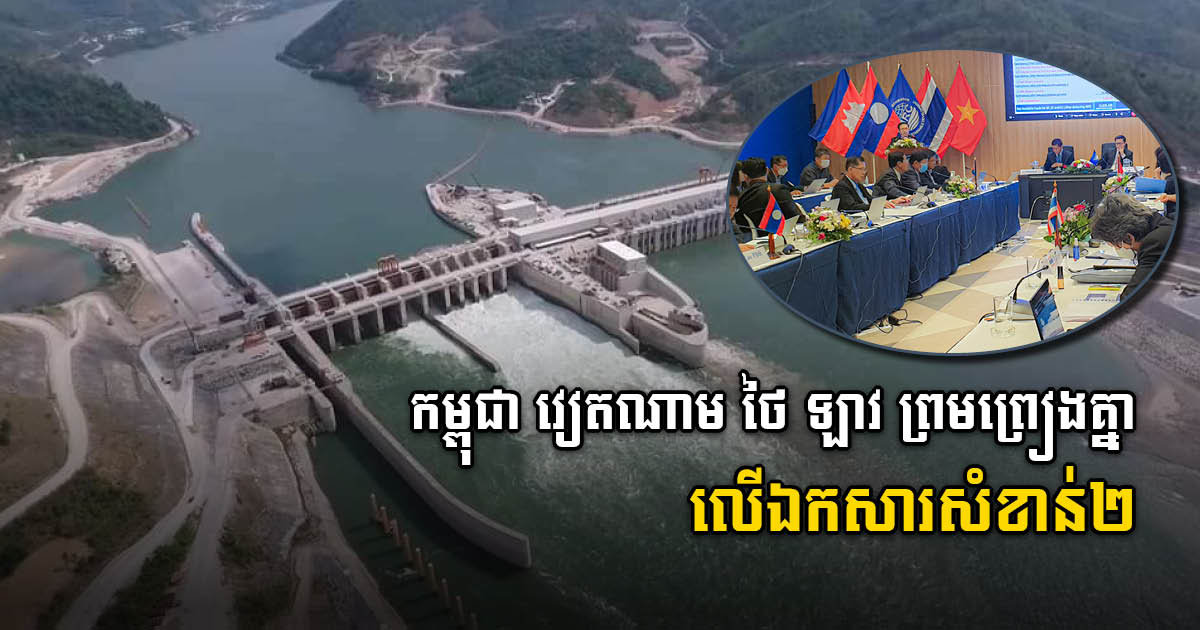

Vietnam, Cambodia, and Laos Strengthen Cooperation on Power Supply and Transportation Links
In a significant move towards enhancing regional connectivity, Cambodian Prime Minister Hun Sen, Vietnamese Prime Minister Pham Minh Chinh, and Lao Prime Minister Sonexay Siphandone pledged to further develop power supply and transportation links among their countries. This commitment was made during the 47th ASEAN Summit and Related Summits held in Kuala Lumpur, Malaysia, from […]

ADB Approves USD 82.5 Million to Advance Renewable Energy in Cambodia
The Asian Development Bank (ADB) has approved a substantial funding package of USD 82.5 million aimed at bolstering Cambodia’s Energy Transition Sector Development Program (ETSDP). The announcement was made in a press release on October 7, 2025, highlighting the program’s dual focus on policy reforms and technological investments. The primary objective of the ETSDP is […]

Major Companies Set to Convert Household Waste into Electricity in Phnom Penh
In a significant step towards sustainable energy solutions, two major companies, SAGE ENGINEERING and VINCI CONSTRUCTION, have unveiled plans to convert household waste into electricity in Phnom Penh. This initiative aims to enhance energy efficiency while addressing the growing waste management challenges in the capital city. The announcement followed a working meeting on September 18, […]

Cambodia Set to Launch First Wind Power Plant in Mondulkiri Province by 2026
In a significant move toward sustainable energy, Cambodia is preparing to inaugurate its first wind power plant in Mondulkiri province, with an initial capacity of 150 megawatts expected to be operational in 2026. This announcement was made during a recent meeting of alumni from the Electricity of Cambodia, chaired by Minister of Mines and Energy […]

Chile Makes Clean Energy History with Groundbreaking Hydrogen Project
In a remarkable advancement for clean energy, Chile has officially launched the H2Atacama Project in the Atacama Desert, recognized as the world’s driest place. This innovative initiative marks the debut of the first solar-to-hydrogen refinery that operates without relying on liquid water. Instead, it captures atmospheric moisture and employs thermocatalytic solar reactors to efficiently split […]

China Leads Clean Energy Transition in Southeast Asia with Innovative Solutions
Southeast Asia’s energy landscape is undergoing a transformative shift, with China playing a pivotal role in advancing sustainable energy initiatives. The recent launch of the Monsoon Wind Power Project in Laos exemplifies this green development, marking the country’s first wind power plant and a significant step toward its renewable energy leadership in the region. This […]