


Embracing a Digital Future : Realising Construction’s Potential

The construction industry has reached a fascinating turning point, leaving room for vast changes that can greatly improve the state of site operations as we know it. The change I am talking about is a technological shift in construction processes that will ultimately save time and boost productivity.

While other industries have been embracing digitisation for decades, construction is comparatively late to the game, partly because of the sector’s unique nature. Construction is a decidedly project-based and fragmented field. This means that the adoption of new standards and methodologies is constantly challenged, due to short-term project constraints and the difficulty of setting industry-wide standards. For these reasons, the industry has not seen any significant increase in productivity gains over the past several years, and it remains one of the least digitised industries.

However, more and more tech companies are recognising this growing need for digital solutions in the construction industry. In areas such as North America and Europe, we are seeing companies that have been slowly but steadily embracing technology on sites for several years. In Southeast Asia, there is even more room for digitisation as a lot of these recent applications are either not yet deployed or very new to the market. Which is concerning, since Southeast Asia has one of the most booming construction landscapes and is arguably in greater need of such advancements than other parts of the world.

While technological strides are being made throughout the industry, most solutions tend to focus only on one aspect or one stage of a project, instead of a holistic approach. Tasks such as editing floor plans are made much simpler when digitised, and using Building Information Modeling (BIM) is becoming a new industry standard. But why digitise one site process, and not the rest? Why make the pre-construction stages more streamlined if construction, handover and maintenance processes are not given the same treatment? Failure to recognise the potential for improvement in these areas can limit productivity gains.

We foresee a comprehensive solution that would digitise all aspects of a project, both in the office and on the field: A platform that would keep all team members synchronised and up-to-date, while at the same time being accessible across devices and rendering paper forms unnecessary. Such an application could save countless man-hours, and would translate into more projects delivered on time without going over-budget. Quality checking, safety permits, maintenance inspections, and more could all be conducted on mobile or tablet devices – devices that most people are already comfortable using. Additionally, when real-time information is easily gathered, this provides valuable data for companies to utilise over time. This is the future we are striving toward with the Novade platform.

As digitisation continues to change our world in every way, it is by no means too late for the construction industry to begin embracing new standards and seeing major improvements in productivity.

- Video Advertisement -

Related Post

Massive Industrial Expansion Set for Kampong Speu as Chinese Firm Proposes New Special Economic Zone

Strategic development project spanning over four hundred hectares aims to bolster Cambodia’s manufacturing capacity and create thousands of local employment opportunities The industrial landscape of Kampong Speu province is poised for a significant transformation following a formal proposal by a Chinese firm to establish a sprawling special economic zone. On January 6, 2026, the Council […]
Cambodia Records Surge in Investment with Ten Billion Dollars in New Projects for 2025

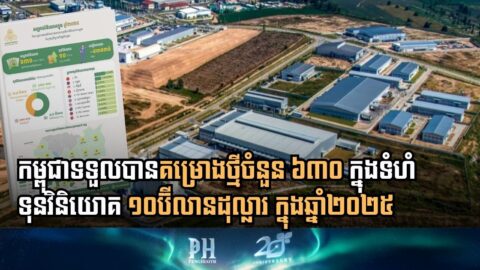
Cambodia has reached a major economic milestone in 2025, securing 630 new investment projects with a total capital value of approximately 10 billion dollars. This performance represents a significant 45 percent increase in investment volume compared to the previous year, highlighting the Kingdom’s growing appeal as a strategic hub for international capital. The Council for […]

Cambodia Strengthens Environmental Guardrails as Natural Resource Crimes Decline in 2025

Enhanced ranger patrols and advanced monitoring technologies drive a fifteen percent drop in violations across protected landscapes while boosting legal accountability Cambodia has marked a significant shift in its environmental protection efforts throughout 2025, reporting a notable decrease in natural resource crimes across the Kingdom. According to the latest data from the Ministry of Environment, […]

Kandal Province Launches Official Construction of Prek Thnot Riverbank Park to Enhance Urban Beauty

Provincial authorities and Ministry officials join forces to transform the southern riverbank into a modern recreational space for residents and tourists The landscape of Takhmao city is set for a significant aesthetic upgrade following the official groundbreaking of the Prek Thnoat riverbank park project on January 3, 2026. This ambitious development, situated along the southern […]

Cambodia Surpasses $600 Million Revenue Milestone in Global Rice Exports

Strategic expansion into European and ASEAN markets drives record-breaking year for the Kingdom’s agricultural sector as total exports exceed nine hundred thousand tons Cambodia’s agricultural sector has achieved a significant economic victory in 2025, recording over $602.41 million in revenue from the export of milled rice to international markets. Over the course of the twelve […]

LSU Launches America’s First Industry-Backed Digital Twin Certificate

Louisiana State University (LSU) has announced the launch of the nation’s first Digital Twin Design and Production Certificate, a landmark educational program co-developed with industry leaders, including Bentley Systems. The online initiative aims to bridge the growing skills gap in “digital twin” technology—a field that has become essential to the design, construction, and operation of […]