Leveraging Data Analytics and Model-Based Approaches to Optimize Station Placement and Multimodal Connectivity
Reducing Carbon through Public Transportation
Effective public transportation is essential for vibrant, sustainable cities. It not only enhances the quality of life for residents but also significantly reduces the reliance on carbon-emitting private vehicles and cuts down on other atmospheric pollutants that affect public health.
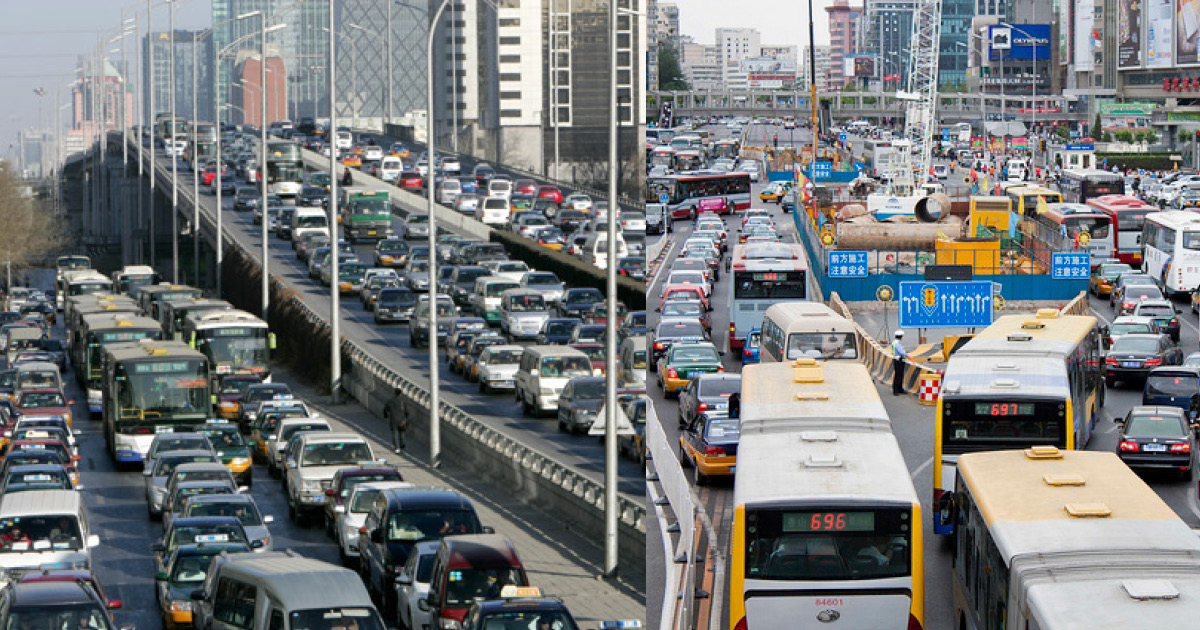
In recent years, the northeast part of Chaoyang District in Beijing faced a shortage of sufficient public transportation options, despite low car ownership among residents. This lack left many travel needs unmet. To address this issue, the Beijing Municipal Institute of City Planning & Design, in collaboration with five other institutes, embarked on an ambitious project to develop multiple rail lines and two new subway stations in the district.
The goal of this project extends beyond merely adding infrastructure. It aims to transform and rejuvenate the entire area while promoting various modes of green transportation, such as the use of bicycles. The institute’s approach involves using advanced data analytics and model-based methods to predict traffic patterns, ensuring optimal placement of stations and seamless connections to other modes of transportation. This strategic planning is designed to encourage the use of public transport and green alternatives, ultimately fostering a more sustainable urban environment.
Seeking Optimal Rail Placement
The design team recognised the necessity of an intelligently designed transportation system. Incorrectly placed tracks and stations could lead to underutilisation, pushing frustrated travellers to rely on more polluting, carbon-intensive forms of transportation. The plan also needed to encourage the use of bicycles and other green modes of transport. To achieve these goals, the team focused on analysing and integrating various modes of travel to and from the rail system, as well as forecasting travel demand.
Analysing Traffic for Informed Design
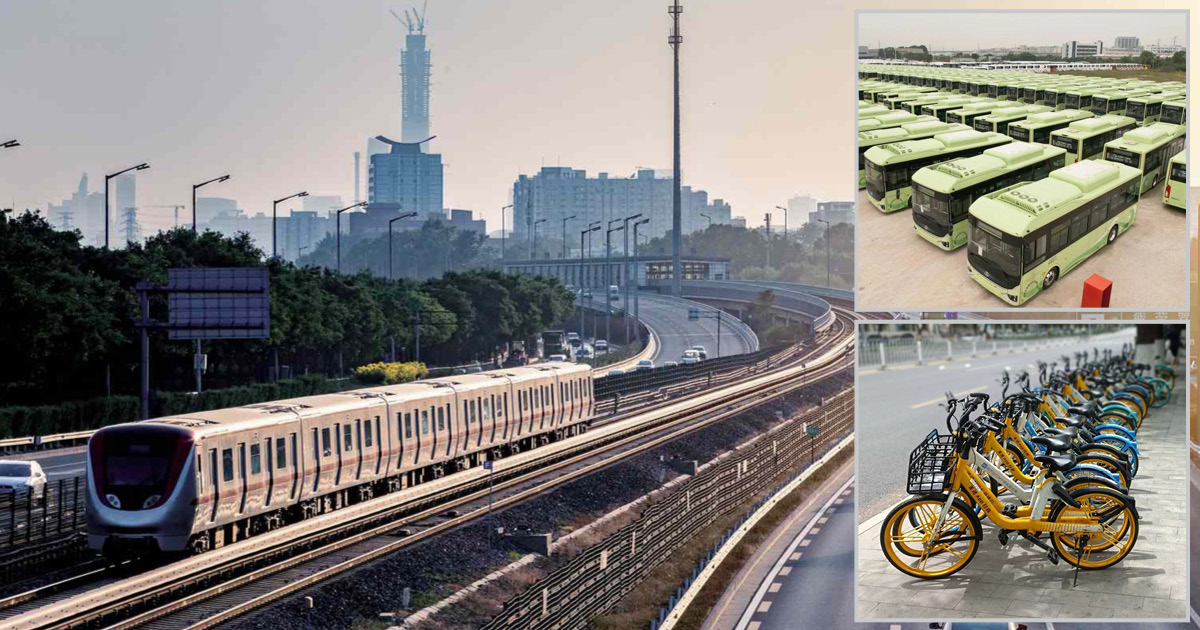
To calculate the demand for rail transit and predict traffic flow across different transportation modes, the team employed CUBE software. This application enabled them to assess total travel volume, distribution, and transportation modes within the district, as well as the connection needs between stations. Using this data, the design team could strategically plan the rail transit micro-centre demonstration area and efficiently schedule shared bicycles, mini-buses, shared cars, and other rail transit connection modes. Following the initial analysis, the team continued to use CUBE for automated analyses that account for changes in land use and population.
Intelligent Design Reduces Pollutants
By basing the design and layout of the rail lines and stations on predicted demand, the design team has created an intelligent travel system that can serve the entire area within 10 minutes, enhancing travel efficiency by 15%. This approach encourages the use of the rail lines while providing well-planned connections to low and zero-carbon-emitting transportation modes, significantly reducing reliance on carbon-intensive and polluting vehicles.
The system’s integration of green transportation options not only eases city navigation but also promotes public health by decreasing atmospheric pollutants. Additionally, the rail system includes energy storage facilities to balance power supply and demand, further boosting energy efficiency and ensuring a sustainable transportation infrastructure.
Expert’s Remark
“By using CUBE software to analyse the traffic flow, the project provided a strong basis for the planning and construction of transportation infrastructure and the arrangement of public transportation capacity for the rail micro-centres. The system provides scientific data prediction and judgment for the construction of the rail transit micro-centre demonstration area, scheduling shared bicycles, mini-buses, shared cars, and other rail transit connection modes.”
Key Outcomes
The new rail design ensures the entire area is accessible within 10 minutes, improving travel efficiency by 15%.
The project promotes the use of lower-carbon transportation modes, reducing the reliance on carbon-emitting vehicles.
The rail system includes energy storage facilities to balance power supply and demand, enhancing energy efficiency.
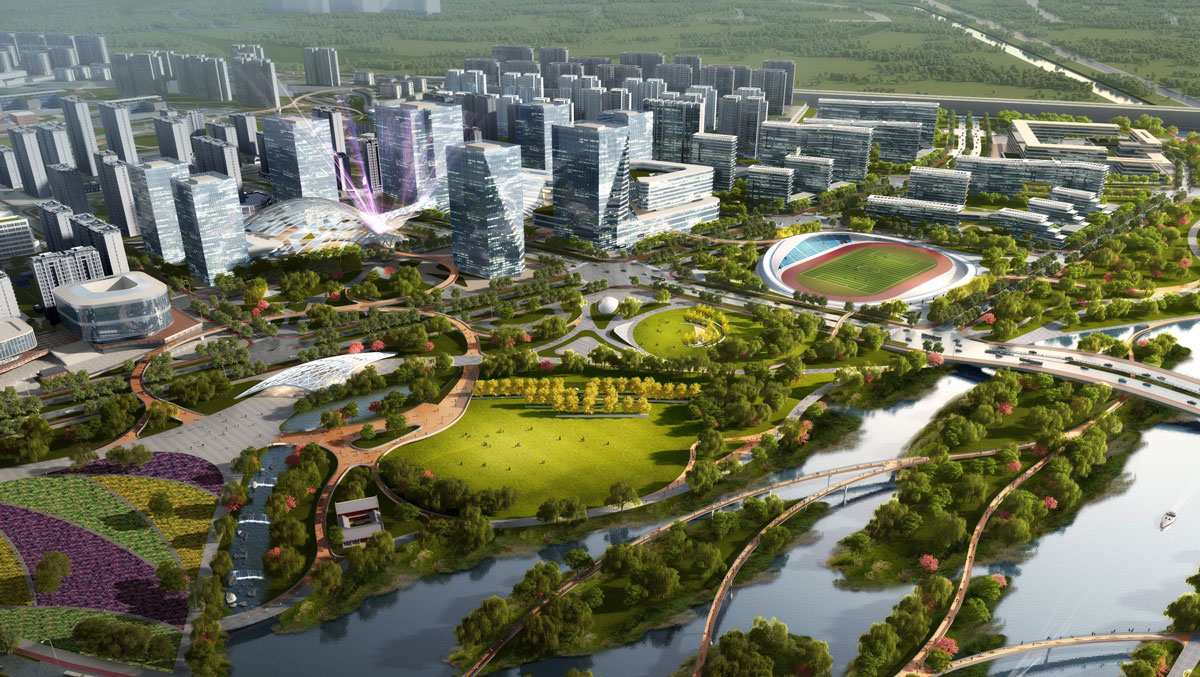
Image caption/courtesy 1 (header image): Encouraging the use of the rail lines, as well as providing connections to lower-carbon transportation modes to final destinations, will significantly ease the use of carbon-emitting vehicles while easing navigation through the city. Image courtesy of Beijing Municipal Institute of City Planning & Design
Traffic congestion in Chaoyang District, BeijingNew modes of traffic links in Chaoyang city
Author: Prathamesh Gawde, Senior Product Marketing Manager at Bentley Systems, focuses on marketing strategies and campaigns for Bentley’s building design software portfolio. Prathamesh is a certified digital marketing expert with rich experience and expertise in conceptualizing, developing, and implementing revenue marketing, digital marketing, account-based marketing, and demand-generation strategies and programs in a global and fast-paced corporate environment. Before joining Bentley Systems, Prathamesh held multiple marketing and business development positions with leading IT and engineering products/services companies. Prathamesh holds a master’s degree in management studies and a bachelor’s degree in engineering from the University of Mumbai. He can be contacted at Prathamesh.gawde@bentley.com.
Leading Electronics Distributor Partners with Malaysian Heritage Brand to Address $27 Million Market Demand, Offering Quality, Safety, and Nationwide Service Phnom Penh, December 12, 2025 – GGEAR Group, a leading electronics company in Cambodia, officially launched the Malaysian-made “KHIND fans” into the Cambodian market today following the signing of a Memorandum of Understanding (MoU). The […]
Unmissable ‘Grand December’ Promotion Offers Incredible Deals and Flexible Payment Plans Customers looking to purchase a home at Borey Peng Huoth right now are in for a very special treat with the “Grand December” promotion, which offers unprecedented gifts and payment conditions. Borey Peng Huoth guarantees that you will not be disappointed with a year-end […]
As Cambodia’s new Techo International Airport officially begins operations, the surrounding real estate market along the 60-meter road (Samdech Techo Hun Sen Boulevard) is witnessing remarkable growth. Investors and homebuyers now have a unique opportunity to benefit from this expansion by owning property near one of the country’s most dynamic development zones. Among the leading […]
The highly anticipated opportunity to own a fully furnished condo in the vibrant center of Phnom Penh has arrived! Introducing the Desa Polaris 23 of Borey Peng Huoth, where luxury meets comfort, and your dream living space awaits. This stunning condo unit is 100% ready for immediate occupancy and comes with an incredible payment plan […]
In a groundbreaking move for entrepreneurs, Borey Peng Huoth has introduced a new generation of business houses, the Villa Rozana Modern and Villa Rozana Modern A. These single villas are designed specifically for business purposes and promise a host of unique features that set them apart from traditional commercial properties. Key Features of Villa Rozana […]
Are you searching for a property that combines business potential with comfortable living? Look no further! We invite you to explore the outstanding opportunities presented by Borey Peng Huot, featuring four exceptional projects in the thriving 60-meter corridor of Phnom Penh. Strategically located along the renowned Samdech Techo Hun Sen Boulevard, this area serves as […]
This site is registered on wpml.org as a development site. Switch to a production site key to remove this banner.


 English
  ខ្មែរ
ខ្មែរ