
China Approves Highest & Largest Hydropower Dam in Tibet Worth USD 127 Billion Amid Global Concerns

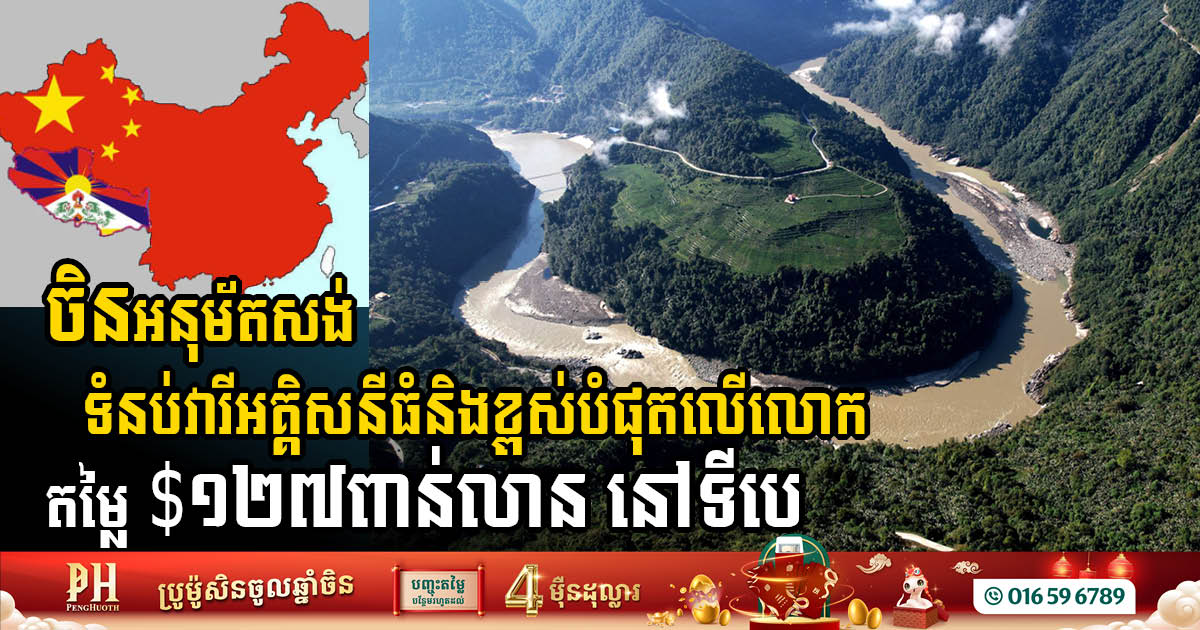
China has approved the construction of the world’s largest hydropower dam on the lower Yarlung Tsangpo River in Tibet, with an estimated cost of USD 127 billion. The project, poised to generate three times more energy than the Three Gorges Dam, is expected to redefine renewable energy development globally but has raised significant concerns about environmental impact, displacement of Tibetan communities, and geopolitical ramifications, as confirmed in a BBC report on 27 December 2024.

The new dam will be built in the Yarlung Tsangpo Grand Canyon, the world’s deepest canyon, and will require the drilling of at least four tunnels, each spanning 20 kilometers, to redirect the river’s flow for electricity generation. The site’s dramatic terrain, characterized by a 2,000-metre drop over a 50-kilometer stretch, offers unmatched hydroelectric potential but presents formidable engineering challenges. Located in an earthquake-prone region, the site is also vulnerable to landslides and seismic activity, raising safety concerns among geologists and engineers.

The Project’s Scale and Goals

  • Power Capacity: The dam is projected to surpass the Three Gorges Dam, currently the largest hydropower plant with a capacity of 22,500 megawatts (MW), which stretches 2.3 kilometers and stands 181 meters tall on the Yangtze River.
  • Renewable Energy Focus: Described by Chinese state media as a “safe project that prioritizes environmental protection,” the dam aligns with Beijing’s climate-neutral goals and aims to boost local prosperity.

Environmental and Displacement Risks: Human rights groups and environmental experts have voiced concerns about the massive scale of the project. The Yarlung Tsangpo River basin is home to one of the most biodiverse ecosystems on the Tibetan Plateau. Large-scale excavation and construction risk exacerbating landslides and mudflows, with a senior engineer from the Sichuan Provincial Geological Survey noting in 2022 that “landslides caused by earthquakes and mudflows are often uncontrollable and will pose a serious threat to the project.”

Displacement remains a major issue. While China has not disclosed the number of people who will be relocated, the Three Gorges Dam project, which required the resettlement of 1.4 million people, provides a sobering precedent. Tibetan communities have long opposed such developments, citing forced displacement and the destruction of cultural heritage sites. Earlier protests against another dam project in Tibet ended in arrests and reports of violence against demonstrators.

Geopolitical Implications: The Yarlung Tsangpo flows southward into India’s Arunachal Pradesh and Assam states before reaching Bangladesh. Experts warn that China’s control over this transboundary river could significantly affect water availability downstream, with potential economic and political consequences for neighboring countries. A 2020 Lowy Institute report highlighted the strategic leverage this gives China, describing it as a “chokehold on India’s economy.”

India has responded to the announcement by exploring its own hydropower projects to mitigate potential impacts. Beijing, meanwhile, has defended its actions, asserting that it has accounted for downstream impacts and is acting within its sovereign rights.

Global Renewable Energy Context: China has constructed several hydropower stations along the Yarlung Tsangpo over the past decade, underlining its commitment to renewable energy development. However, this latest project is its most ambitious to date, both in terms of scale and potential impact. While it promises immense renewable energy benefits, it also poses significant risks to human rights, biodiversity, and regional geopolitical stability.

As construction begins, this landmark project will remain a focal point of global attention, balancing its transformative potential in clean energy with the urgent need to address its environmental and social consequences.

- Video Advertisement -

Related Post

Cambodia Records Surge in Investment with Ten Billion Dollars in New Projects for 2025

Cambodia has reached a major economic milestone in 2025, securing 630 new investment projects with a total capital value of approximately 10 billion dollars. This performance represents a significant 45 percent increase in investment volume compared to the previous year, highlighting the Kingdom’s growing appeal as a strategic hub for international capital. The Council for […]
Kandal Province Launches Official Construction of Prek Thnot Riverbank Park to Enhance Urban Beauty

Provincial authorities and Ministry officials join forces to transform the southern riverbank into a modern recreational space for residents and tourists The landscape of Takhmao city is set for a significant aesthetic upgrade following the official groundbreaking of the Prek Thnoat riverbank park project on January 3, 2026. This ambitious development, situated along the southern […]

Battambang Completes Construction of Massive Water Treatment Facility to Meet Growing Urban Demand

New high-capacity plant set to launch in early 2026 will double the provincial capital’s clean water supply through advanced Chinese engineering The skyline of Battambang’s Kampong Seima area has been permanently transformed with the 100 percent completion of the province’s third and largest water treatment plant. This major infrastructure milestone, announced by H.E. Ut Kloeung, […]

Progress Inspection for Wastewater Treatment System Development in Takhmao City

In a significant step towards enhancing the development progress in Takhmao City, HE Ros Vanna, Secretary of State of the Ministry of Public Works and Transport, led a comprehensive inspection of the wastewater treatment system development project in Takhmao City. This project, pivotal for managing urban wastewater, is funded by the Economic Development Cooperation Fund […]

Mekong River Bridge (Dei Edth-Thma Kor) Construction Reaches 36% Completion

The Mekong River Bridge (Dei Edth-Thma Kor) Construction Project has marked a significant milestone, achieving 36% completion as of late December 2025. His Excellency So Vector, Secretary of State for the Ministry of Public Works and Transport and Managing Director of the project, led a team of officials to the construction site to evaluate advancements […]

Milestone Achievement in Kampong Cham as Mekong River Bank Protection Project Reaches Completion

The Ministry of Water Resources and Meteorology has announced the successful completion of a significant riverbank protection project along the Mekong River in Kampong Cham province. Spanning 700 meters in length, this second phase of construction has reached one hundred percent completion, marking a vital step in safeguarding local infrastructure and livelihoods against the relentless […]