

 English
  ខ្មែរ
ខ្មែរ 

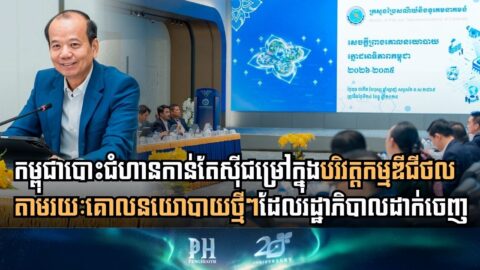
Meeting of Digital Government Committee to Explore Key Initiatives
Phnom Penh, December 24, 2025 – In a significant gathering at the Ministry of Post and Telecommunications, His Excellency Chea Vandeth, Minister of Post and Telecommunications and Chairman of the Digital Government Committee (DGC), presided over the 8th session of the DGC, featuring robust discussions on pivotal digital initiatives aimed at enhancing governance and public […]
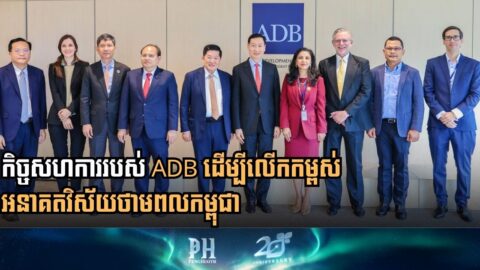
Minister of Mines and Energy Engages with ADB to Enhance Cambodia’s Energy Sector
His Excellency Keo Rattanak, the Minister of Mines and Energy, recently convened with top officials from the Asian Development Bank (ADB) to address critical priorities within Cambodia’s energy sector. This strategic meeting aims to foster collaborative efforts that enhance the efficiency and governance of the nation’s energy infrastructure. During the discussions, Minister Keo emphasized several […]
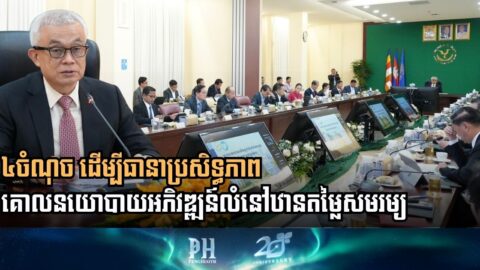
Cambodia Enhances Affordable Housing Policy with Four New Strategic Pillars
The Royal Government of Cambodia is moving to significantly bolster its housing sector by introducing four key strategic pillars into the draft “Policy on the Development of Social and Affordable Housing”. This initiative, led by the Ministry of Economy and Finance, aims to ensure that national housing initiatives are both effective and sustainable in meeting […]
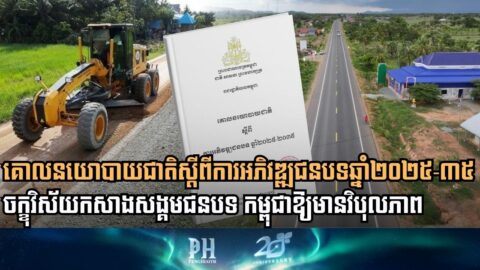
Cambodia Launches Decade-Long National Rural Development Policy
New 2025-2035 Strategy Aims for Inclusive Prosperity and Significant Poverty Reduction in Rural Areas The Royal Government of Cambodia has officially launched the “National Policy on Rural Development 2025-2035” a comprehensive strategy designed to contribute significantly to national economic development and reduce poverty among the Cambodian populace, particularly in rural regions. This new policy defines […]
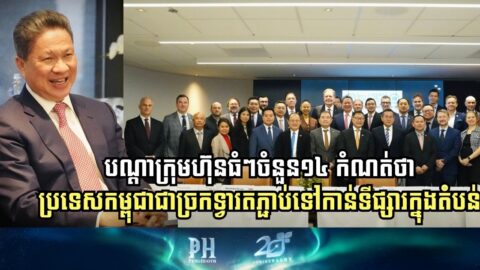
14 Major Canadian Companies Eye Cambodia as a Gateway to ASEAN Markets
In a significant development for Cambodia’s economic landscape, 14 major Canadian companies have expressed a strong interest in the Cambodian market, recognizing it as a strategic gateway to the ASEAN region. This announcement came during a meeting between HE Sun Chanthol, Deputy Prime Minister and First Vice President of the Council for the Development of […]
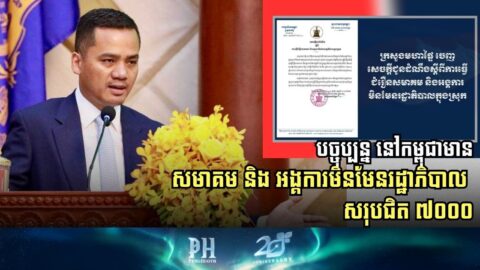
Growth of Associations and NGOs in Cambodia Reaches Nearly 7,000
Cambodia’s civil society sector continues to expand steadily, with nearly 7,000 associations and non-governmental organizations (NGOs) now officially registered with the Ministry of Interior, according to H.E. Touch Sokha, Deputy Spokesperson of the Ministry. The update was shared during a press briefing earlier today. A report from the General Department of Administration revealed that a […]