






Progress Update on the Stung Khliech Water Resources Development Project in Kampong Speu
Strategic irrigation infrastructure reaches fifteen percent completion milestone to support forty thousand hectares of farmland The Stung Khliech Water Resources Development Project in Kampong Speu province has reached a fifteen percent completion rate in its construction phase. Once finished, this significant infrastructure project will have the capacity to provide irrigation for approximately 40,000 hectares of […]

Borey Peng Huoth Announces Exclusive Pre-Sale Event for New Phum Nimith Project in Chbar Ampov
Early access to prime locations within the prestigious Grand Star Platinum development starting this March Following the successful groundbreaking ceremony held on January 30, 2026, Borey Peng Huoth is pleased to announce the official pre-sale launch of its newest residential development, Phum Nimith. This highly anticipated event will take place over three days from March […]
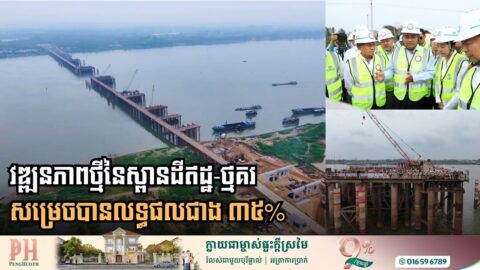
Accelerating Connectivity: Mekong River Bridge Connecting Dei Edth-Thmor Kor Surpasses 35% Completion
Minister Peng Ponea inspects the strategic infrastructure project in Kandal province to ensure rigorous technical standards and timely delivery for the public The construction of the major bridge across the Mekong River Dei Edth-Thmor Kor connecting Dei Edth commune in Kien Svay district to Thmor Kor commune in Lvea Em district has reached a significant […]

Cambodia and Laos to Fast-Track Cross-Border Connectivity with New Ratanakiri-Attapeu Road Link
Joint inspection team to finalize construction zones this February to unlock new trade and economic opportunities Cambodia and Laos have reached a pivotal agreement to conduct a joint technical inspection aimed at defining the specific zones for a new road project connecting Ratanakiri province in Cambodia to Attapeu province in Laos. This initiative is a […]
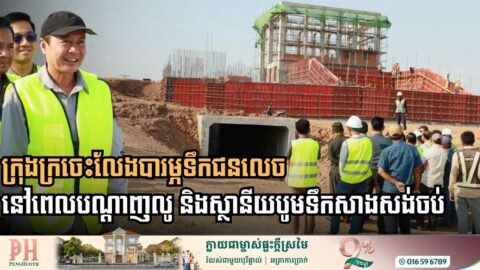
Kratie City Drainage and Pumping Station Project Surpasses 68% Completion
Provincial authorities and ADB-funded initiative accelerate infrastructure development to eliminate seasonal flooding and boost local economic appeal Kratie City is undergoing a significant infrastructural transformation as the construction of its comprehensive drainage network and rainwater pumping station reaches 68 percent completion. This development is a key sub-project of the Fourth Greater Mekong Subregion Corridor Towns […]
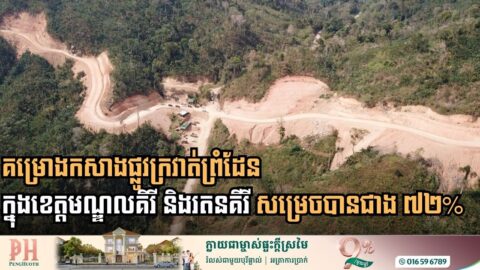
Border Ring Road Project in Mondulkiri and Ratanakiri Surpasses 72% Completion in 13 Months
Cambodia’s historic border ring road project has reached a significant milestone, achieving an overall completion rate of 72.29% as of January 11, 2026. This monumental initiative is being realized through the “Border Infrastructure Fund,” fueled by enthusiastic contributions from citizens across the country to strengthen national security and enhance the livelihoods of those living in […]