 English
 ខ្មែរ



Germany Commits €30 Million Concessional Loan to Power Cambodia’s Rural Electrification Drive
- 9 November 2026
The framework agreement signed between Deputy Prime Minister Aun Pornmoniroth and German Ambassador Christian Berger will finance the Energy Efficiency in Rural Power Supply II Project, supporting sustainable energy transition across the Kingdom. The German government has pledged a new €30 million concessional loan to support the implementation of Cambodia’s Energy Efficiency in Rural Power […]
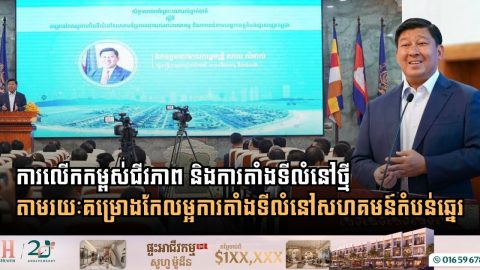
Improving Livelihoods and Resettlement through the Coastal Community Settlement Improvement Project
- 9 November 2026
Strategic Frameworks for Affordable Housing and Resilient Local Economic Development to Empower Vulnerable Communities Phnom Penh: The Royal Government’s unwavering commitment to citizen welfare and secure housing took a major leap forward as the Ministry of Land Management, Urban Planning and Construction convened the National Consultative Workshop on the Integrated and Resilient Community Resettlement Improvement […]
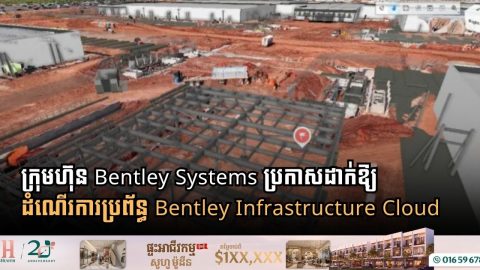
Connecting the Subsurface and Beyond: How Bentley Systems is Revolutionizing Infrastructure Collaboration
- 8 November 2026
Infrastructure data has traditionally lived in silos—scattered across 3D models, PDF blueprints, inspection reports, field photos, and IoT sensors. For project teams, bringing these disparate pieces together has long been a complex and fragmented challenge. Addressing this industry-wide hurdle, Bentley Systems has announced the launch of Bentley Infrastructure Cloud Connect, a foundational new layer designed […]
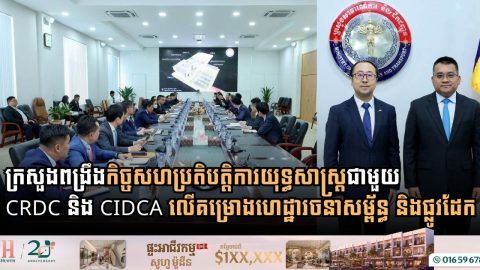
Ministry Strengthens Strategic Cooperation with CRDC and CIDCA on Infrastructure and Railway Projects
- 8 November 2026
Deepening Bilateral Partnerships with China to Advance Bridges, Roads, and Human Capital Development Toward the 2050 Vision Phnom Penh: Efforts to expand Cambodia’s physical infrastructure and transport connectivity achieved a significant milestone as His Excellency Peng Pione, Minister of Public Works and Transport, led a high-level working meeting with delegations from the China Railway Design […]
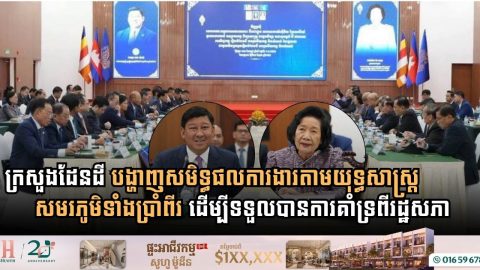
National Assembly and Ministry of Land Management Review Progress Across Seven Strategic Battlefronts
- 7 November 2026
Firm Commitment to Advancing Urban Aesthetics, Infrastructure Quality, and Sustainable Living Standards Toward the 2050 Vision National Assembly Palace: During the inter-committee meeting between the National Assembly and the Ministry of Land Management, Urban Planning and Construction held on October 27, 2026, the Ministry outlined its rigorous implementation of work tasks across its seven strategic […]
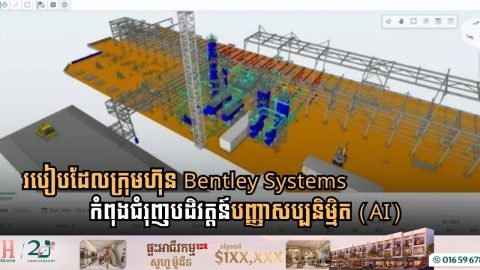
Transforming Infrastructure: How Bentley Systems is Spearheading the AI Revolution
- 7 November 2026
As global urbanization accelerates and the demand for resilient infrastructure surges, the engineering capacity gap remains one of the industry’s greatest hurdles. To address this challenge, Bentley Systems has unveiled a groundbreaking suite of next-generation, AI-powered capabilities designed to empower professionals rather than replace them. Grounded in real-world infrastructure context, these innovations aim to dramatically […]