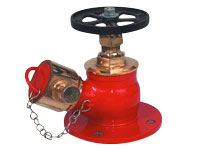

Fire Hose Reels, Fire Hydrants and Sprinkler Systems Explained

By Paul Hurford, Managing Director, AZISAFE

Wet fire systems are a serious consideration in the design of any new project, and they can be an expensive addition. However, retrofitting them after a building is completed is an extremely difficult and more expensive task. Ensuring you select the best system for your project needs to be more than simply following the building standard or code you have chosen to use for your project.

It is also essential to remember that whatever option is selected, it will require an independent reserve supply of water and fire pump; mains supplies are not a reliable source of water in the event of a fire.

Fire Hose Reels systems are designed as an easy-to-operate, first intervention tool for building residents to use in the early stages of a fire. They are also a cost-effective solution due to the limited plumbing and pipe work requirements. They are unfortunately not a genuine firefighting solution if your building is of a size or height that limits the fire service from accessing all areas from the outside, as they do not deliver enough water to effectively fight a developed fire.

Sprinkler systems are often seen as the automatic solution for firefighting in a building, and would seem to be the ideal solution for Cambodia where fire safety awareness is limited and the likelihood of those present in the initial stages of a fire taking action to stop a fires spread is low. Sprinklers however are primarily designed to slow the development of a fire and aid in the evacuation process rather than extinguish a fire. Without quality ongoing maintenance sprinkler systems can do significant water damage to a building and can result in higher expense than a potential fire would cause.

Fire Hydrant systems with fire hoses are a very effective tool for internal firefighting for trained professionals, however are not designed for use by individuals with no training, and can be quite dangerous to those attempting to fight a fire without the relevant skills and knowledge. This is a problem that can be easily overcome by ensuring building employees are trained appropriately, or better still developing onsite fire response teams.

As I have discussed in an earlier article, fire standards from different countries are not always the answer for Cambodia. When it comes to fire hydrants, sprinkler systems and hose reel systems there are some clear examples of quality installations being inappropriate for Cambodia.

The fire service in Cambodia is dramatically improving, however they still have limited resources and training to be able to internally fight fires, particularly in larger buildings. Most fire codes or standards are designed with the response procedures of local fire authorities taken into account, which in the case of Singapore or Malaysia for example are some of the best trained and equipped fire services in the world. Applying these standards to Cambodia without looking at the difference in response capability, and the impact this will have can be very dangerous.

Other installations which are commonly found in Cambodia due to the application of international standards include dry risers systems and sprinkler or hydrant boost points which are currently a waste of resources as the majority of firefighting vehicles used in Cambodia are not designed to work with these installations. Investment in higher capacity fire pumps and effective internal procedures would be a far more efficient option.

- Video Advertisement -

Related Post

Exploring Sydney Through a New Digital Lens

Just in time for the Bentley Illuminate 2026 conference in Sydney, a new 3D virtual tour has been launched to show the city like never before. Powered by Cesium, this digital experience moves beyond the postcard-perfect images of Sydney to reveal how the city functions as a complex, interconnected system. By using advanced 3D modeling, […]
United States Embassy Affirms Commitment to Bolstering Cambodia’s Investment Climate

High-level dialogue highlights collaborative efforts to resolve investor challenges and expand the footprint of American enterprises in the Kingdom The United States Embassy in Cambodia has reaffirmed its dedication to improving the local investment climate and business environment, a move aimed at catalyzing further economic, trade, and investment cooperation between the two nations. This commitment […]

Mining Tech Giant Brings AI-Powered Exploration Tools to PDAC 2026

Seequent, a leader in subsurface software solutions, is showcasing a major push into artificial intelligence and cloud-connected workflows at this year’s Prospectors & Developers Association of Canada (PDAC) Convention. The company is highlighting how it uses machine learning and advanced data platforms to help mining companies find minerals faster while reducing overall project risk. The […]

Cambodia Attracts Nearly 1 Billion Dollars in New Investments During First Two Months of 2026

Council for the Development of Cambodia reports over 100 new projects approved, set to generate 39,000 jobs across various sectors In the opening two months of 2026, Cambodia demonstrated robust economic momentum by securing 105 new investment projects with a total value of approximately 966 million dollars. According to a press release from the Council […]
Battambang Launches Strategic Urban Infrastructure Project on Street 154

Extensive road expansion and drainage system upgrades in Wat Kor Sangkat signal the start of a city-wide modernization initiative The Battambang Provincial Administration has officially broken ground on a comprehensive infrastructure project in Battambang City, focusing on road restoration and the construction of advanced drainage systems. The ceremony, held on March 9, 2026, was led […]
Cambodia and South Korea Explore Small-Scale Hydropower Potential at Dauntri and Reaksa Reservoirs

Joint feasibility study focuses on integrating renewable energy and solar power to secure sustainable water and electricity supplies for local communities The Ministry of Water Resources and Meteorology has partnered with the Korea Water Resources Corporation, known as K-water, to conduct a comprehensive feasibility study on the installation of small-scale hydropower facilities at the Dauntri […]