

On Good Design

Good design is becoming an increasingly relevant factor in the Cambodian real estate development market.

This positive change will benefit the public domain by creating a more graceful environment to live in while increasing the aesthetic beauty of our environment. Creating a product that is unique and that boasts of added value also helps developers overcome the risks of an overpopulated market.

At such an early stage in this market’s development, key industry players are starting to understand the potential for creating a lasting name for themselves by identifying their practice with good design choices, and offering a unique set of products. However, many investors still regard design as an additional and unnecessary cost since the customer base is often not used to or appreciative of good design.

Good design offers many lasting benefits but how does design contribute to accrue the value of a project?

Through pooling their respective skills together in a working relationship of mutual trust, developers and architects can achieve a balanced result that satisfies all the criteria that make design “good,” to ultimately generate considerable financial gain.

I firmly believe that a designer creates not just a space but a lifestyle, and every element that goes into a design needs to be either the answer to a practical problem or something meant to summon a particular state of mind in the end user. Treating architecture as something dull is a mistake that leads to financial loss in the long term. Good design should entice, and provide a haven of well being.

Good design also makes optimal use of resources. When we design we keep in mind the project lifespan and the current trends: both developers and architects must strive to create something that, while attracting customers at the time the project is released, will still stand the test of time. Good design aims at being timeless and to keep its value consistent through time.

The target is also a concern for both designers and developers. A good design manages to be appealing to people stemming from different countries and cultures, both by being intrinsically good and by acting on the theory of conspicuous consumption. This is especially crucial in Cambodia, where the buyer spectrum is so broad. A good design offers spaces for living that accommodate the needs of as many social units (families, working professionals, young couples, etc) as possible, and present a high level of flexibility.

A well designed building should also include some degree of variety, while keeping an overall consistency that gives it an organized look. This is what we had in mind when designing the façade for the East One (see picture), where the cantilevering terraces follow a pattern that creates dynamism within a rigid structure. The feature also helps by protecting the walls from direct sunlight. It is important to find a balance between simplicity and complication, as the risk could be creating something overly complicated that will soon tire after the initial shock has worn out.

The last element I’d like to cite that contributes to good design is the response to context, both cultural and geographic.

The climate and culture invites us to design buildings that are not blueprints from countries with a different climate and weather. Such design choices have been implemented notably in Singapore and Thailand. An example of this is the use of cross-ventilation in high rise buildings of recent construction. Promoting this approach will help create a brand of architecture unique to Cambodia, which will be both more energy-efficient and a proper embodiment of the Cambodian culture and geography.

All these practices will ultimately increase the chances of making both the developer and the buyers happy.

By Lorenzo M. Martini, Director of Lorenzo Martini Interiors

- Video Advertisement -

Related Post

Massive Industrial Expansion Set for Kampong Speu as Chinese Firm Proposes New Special Economic Zone

Strategic development project spanning over four hundred hectares aims to bolster Cambodia’s manufacturing capacity and create thousands of local employment opportunities The industrial landscape of Kampong Speu province is poised for a significant transformation following a formal proposal by a Chinese firm to establish a sprawling special economic zone. On January 6, 2026, the Council […]
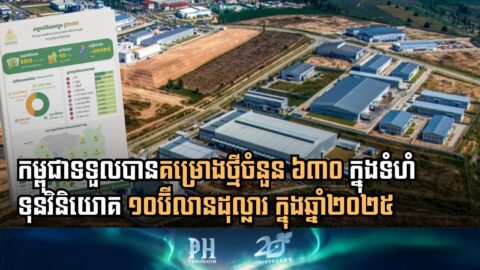
Cambodia Records Surge in Investment with Ten Billion Dollars in New Projects for 2025

Cambodia has reached a major economic milestone in 2025, securing 630 new investment projects with a total capital value of approximately 10 billion dollars. This performance represents a significant 45 percent increase in investment volume compared to the previous year, highlighting the Kingdom’s growing appeal as a strategic hub for international capital. The Council for […]

Cambodia Strengthens Environmental Guardrails as Natural Resource Crimes Decline in 2025

Enhanced ranger patrols and advanced monitoring technologies drive a fifteen percent drop in violations across protected landscapes while boosting legal accountability Cambodia has marked a significant shift in its environmental protection efforts throughout 2025, reporting a notable decrease in natural resource crimes across the Kingdom. According to the latest data from the Ministry of Environment, […]

Kandal Province Launches Official Construction of Prek Thnot Riverbank Park to Enhance Urban Beauty

Provincial authorities and Ministry officials join forces to transform the southern riverbank into a modern recreational space for residents and tourists The landscape of Takhmao city is set for a significant aesthetic upgrade following the official groundbreaking of the Prek Thnoat riverbank park project on January 3, 2026. This ambitious development, situated along the southern […]

Cambodia Surpasses $600 Million Revenue Milestone in Global Rice Exports

Strategic expansion into European and ASEAN markets drives record-breaking year for the Kingdom’s agricultural sector as total exports exceed nine hundred thousand tons Cambodia’s agricultural sector has achieved a significant economic victory in 2025, recording over $602.41 million in revenue from the export of milled rice to international markets. Over the course of the twelve […]

LSU Launches America’s First Industry-Backed Digital Twin Certificate

Louisiana State University (LSU) has announced the launch of the nation’s first Digital Twin Design and Production Certificate, a landmark educational program co-developed with industry leaders, including Bentley Systems. The online initiative aims to bridge the growing skills gap in “digital twin” technology—a field that has become essential to the design, construction, and operation of […]