 English
  ខ្មែរ
ខ្មែរ 


Can AI Help Solve the World’s Engineering Shortage?
- 10 October 2026
The infrastructure industry is facing a growing shortage of engineers even as demand for bridges, roads, power networks, and other projects continues to rise. Bentley Systems is turning to artificial intelligence to help engineers work faster while keeping human expertise at the center of critical decisions. Bentley’s approach combines AI’s ability to understand language, reason […]
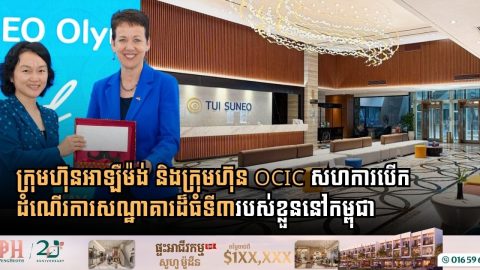
Hospitality Expansion: Germany’s TUI Group and OCIC Launch TUI Suneo Olympia Phnom Penh as Third Major Cambodian Hotel
- 10 October 2026
German tourism and hospitality giant TUI Hotels & Resorts, in collaboration with the Overseas Cambodian Investment Corporation, officially inaugurated TUI Suneo Olympia Phnom Penh on September 30, 2026. The grand opening ceremony was presided over by Minister of Tourism H.E. Huot Hak, marking the official brand debut of TUI Suneo in the Kingdom and expanding […]

Bentley Systems Announces Winners of the 2026 Year in Infrastructure Awards
- 9 October 2026
New cycle of AI-enabled innovation is helping engineers solve harder problems faster SINGAPORE – (The Bentley Systems 2026 Year in Infrastructure Event) – October 7, 2026 – Bentley Systems, Incorporated (Nasdaq: BSY), the infrastructure engineering software company, today announced the winners of the 2026 Year in Infrastructure Awards. For more than 20 years, the awards have […]
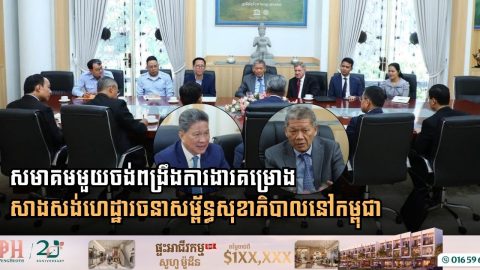
The Church of Jesus Christ of Latter-day Saints Aims to Strengthen $50 Million Healthcare and Infrastructure Projects in Cambodia
- 9 October 2026
The Church of Jesus Christ of Latter-day Saints has expressed its strategic intention to reinforce health infrastructure development and humanitarian projects across Cambodia, delivering estimated public benefits valued at approximately $50 million. The initiative was highlighted during consultative discussions on October 2, 2026, between H.E. Sun Chanthol, Deputy Prime Minister and First Vice-Chairman of the […]

Japan’s Tohoku University Research on Cambodia’s Logistics Systems and Economic Corridor Development
- 8 October 2026
MPWT Undersecretary Vasim Sorya meets Japanese delegation led by Professor Yukiharu KOBAYASHI to review JICA-backed logistics initiatives and cross-border transport strategies Phnom Penh: Modernizing national logistics networks and optimizing key economic corridors remain fundamental drivers for lowering transport costs and strengthening Cambodia’s regional competitiveness. On September 30, 2026, at the Ministry of Public Works and […]

Cambodia and Japan Launch “Co-Creation Space Economy Symposium” to Drive Tech Innovation and Green Growth
- 8 October 2026
Minister Chea Vandeth outlines draft 5-year National Space Program and highlights scholarships for 48 postgraduate students to build human capital Phnom Penh: Leveraging space technology and satellite applications has emerged as a transformative frontier for expanding digital economies, strengthening environmental stewardship, and accelerating sustainable development. On the morning of September 29, 2026, at the Hyatt […]