

UNICEF Partners with China to Help Cambodia Develop Water Purification Technology

UNICEF Cambodia and China are embarking on a visionary endeavor to revolutionize Cambodia’s water and sanitation landscape. With a shared commitment to alleviating water scarcity and enhancing sanitation standards, this partnership holds the promise of significantly reducing water-related diseases and fostering a healthier future for Cambodia’s population. The momentous announcement was made through a press release by UNICEF on 29 August 2023.

This pioneering project is a testament to the dynamic synergy between UNICEF, the Ministry of Agriculture and Rural Affairs, and the Ministry of Water Resources of China. At its core lies the development of an advanced water and sanitation technology program, harnessed from China’s rich technological prowess. This innovative program not only showcases China’s formidable solutions but also champions sustainable practices that harness the power of nature while conserving energy resources.

The collaboration takes aim at leveraging China’s technological finesse in areas such as solar water supply, water purification, and wastewater treatment. Through this, the project aims to identify technological gaps and infrastructural shortcomings, thereby enhancing Cambodia’s water and sanitation infrastructure.

Dr Will Parks, UNICEF Country Director for Cambodia, aptly noted, “Climate change is a crisis in children’s rights.” Cambodia’s vulnerability to climate change has been alarmingly highlighted, with the Children’s Climate Risk Index ranking the nation as the third-most vulnerable to its impacts. Children, in particular, bear the brunt of water scarcity, river floods, and waterborne diseases amidst the array of climate-related challenges.

Evidently, water and sanitation services are disproportionately affected by seasonal shifts, with rural communities facing a staggering 22-fold decrease in water access between rainy and dry seasons. This alarming figure contrasts starkly with the mere 2% decrease observed in urban areas.

Importantly, this collaborative endeavor addresses the dire sanitation challenges plaguing over a quarter of Cambodians. Particularly, regions grappling with high flood and groundwater levels have accentuated the need for effective sanitation solutions, including prudent waste management practices.

Nenad Radonjic, Acting Director of UNICEF China, succinctly captures the essence of this monumental project, highlighting its potential as a transformative force in the water, sanitation, climate, and environmental domains.

According to Radonjic, the strategic partnership between Cambodia and China is poised to set a remarkable precedent for knowledge exchange and technical cooperation. The program’s multifaceted approach promises to transcend geographical boundaries and address shared challenges, thereby positively impacting the lives of children globally.

- Video Advertisement -

Related Post

Digital Twins and Drones Slashing Bridge Recovery Times in Kentucky

Emerging technologies are transforming how disaster-stricken areas rebuild, with Kentucky recently demonstrating that “digital twins” and aerial surveillance can reduce infrastructure recovery timelines from months to mere hours. Following devastating floods in 2022, the state leveraged its Bridging Kentucky initiative to bypass traditional, slow-moving survey methods. By deploying drones and 3D laser scanning, engineering teams […]

OpenRail Designer 2025: Redefining Efficiency for Global Rail Infrastructure

Bentley Systems has officially launched OpenRail Designer 2025, a major update designed to eliminate the manual bottlenecks that have long challenged rail engineers. By focusing on advanced automation, data integrity, and high-fidelity geospatial integration, this release transforms how complex rail networks—from routine maintenance to high-speed megaprojects—are designed and managed. As global demand for resilient infrastructure […]
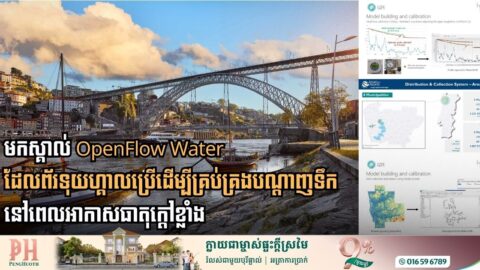
How Portugal Uses Digital Tools to Manage Water Network During Heat Waves

As summer temperatures in northern Portugal consistently climb past 38°C, regional water utility Águas do Norte has successfully pivoted from reactive repairs to proactive management by leveraging Bentley Systems’ OpenFlows Water solution. Serving nearly 2 million residents across 63 municipalities, the utility faced recurring crises where extreme heat caused water tanks to hit critical lows, […]

ALDOT Integrates Bentley’s AI to Refine Performance-Based Highway Budgeting

Alabama Utilizes Bentley Tech to strengthen data-driven maintenance planning The Alabama Department of Transportation (ALDOT) is enhancing its long-standing performance-based budgeting model by integrating Blyncsy, an AI-powered solution from Bentley Systems. For more than 15 years, ALDOT has led the way in using data to drive financial decisions, but the manual collection of condition data […]

Bentley Systems Technology Predicts Grid Failures Before the Storm Hits

As extreme weather events continue to expose the vulnerabilities of an aging electrical grid, Bentley Systems is deploying advanced “digital twin” technology to transform how utilities prepare for disasters. By utilizing its Power Line Systems (PLS) software, Bentley can now predict exactly which poles and wires will fail under specific weather conditions, allowing for surgical, […]

Why “Smart” Pumps Aren’t Always Smart

Think a “variable speed” pump is a guaranteed money-saver? Think again. A recent analysis has revealed that a common engineering “shortcut” could actually be draining thousands of dollars from utility budgets every year. Junior engineers often fall for the “Pump Affinity Law”—a simple formula suggesting that if you slow a pump down by 20%, you […]