ហេតុអ្វីគេមិនសង់រោងចក្រសូឡានៅសមុទ្រខ្សាច់សាហារ៉ា ដែលធំ និងក្ដៅជាងគេលើលោក?
រូបភាពដោយ the conversation
ថាមពលអគ្គិសនីដែលបានចេញពីបន្ទះសូឡា បាននឹងកំពុងពេញនិយមណាស់នាពេលបច្ចុប្បន្ន ព្រោះវាមិនប៉ះពាល់ដល់បរិស្ថាន និងសន្សំសំច័យខ្ពស់។ ប៉ុន្តែជាទូទៅ រោងចក្របន្ទះសូឡាអាចសាងសង់បានលុះត្រាតែមានទីធ្លាធំ ហើយមានកម្តៅថ្ងៃខ្លាំង។
បើនិយាយពីទីធ្លាធំ ហើយក្ដៅ មិនមានកន្លែងណាដែលស័ក្ដសម្យជាងសមុទ្រខ្សាច់សាហារ៉ាទេ។ ប៉ុន្តែហេតុអ្វីប្រទេសមហាអំណាចធំៗមិនសាងសង់រោងចក្រសូឡាខ្នាតយក្សនៅទីនោះ?
វាលខ្សាច់សាហារ៉ា ជាសមុទ្រខ្សាច់ក្ដៅធំជាងគេលើលោក ដែលមានផ្ទៃដីសរុបជាង ៩,២ លានគីឡូម៉ែត្រការ៉េ (៩៨០លានហិកតា)។ អ្នកស្រាវជ្រាវ ធ្លាប់បានបង្ហាញថា បើសាងសង់រោងចក្រសូឡាត្រឹមតែ ១/៤ នៃវាលខ្សាច់សាហារ៉ា គឺនឹងអាចផ្គត់ផ្គងថាមពលឱ្យពិភពលោកទាំងមូលបានហើយ។ ហើយវានឹងក្លាយជាសមិទ្ធផលប្រភពថាមពលដ៏ធំសម្បើម និងមិនប៉ះពាល់ដល់បរិស្ថាន។
ប៉ុន្តែទាំងនេះជាមូលហេតុដែលគម្រោងនេះមិនទាន់អាចក្លាយជាពិតបាន៖
១) បម្រែបម្រួលអាកាសធាតុ
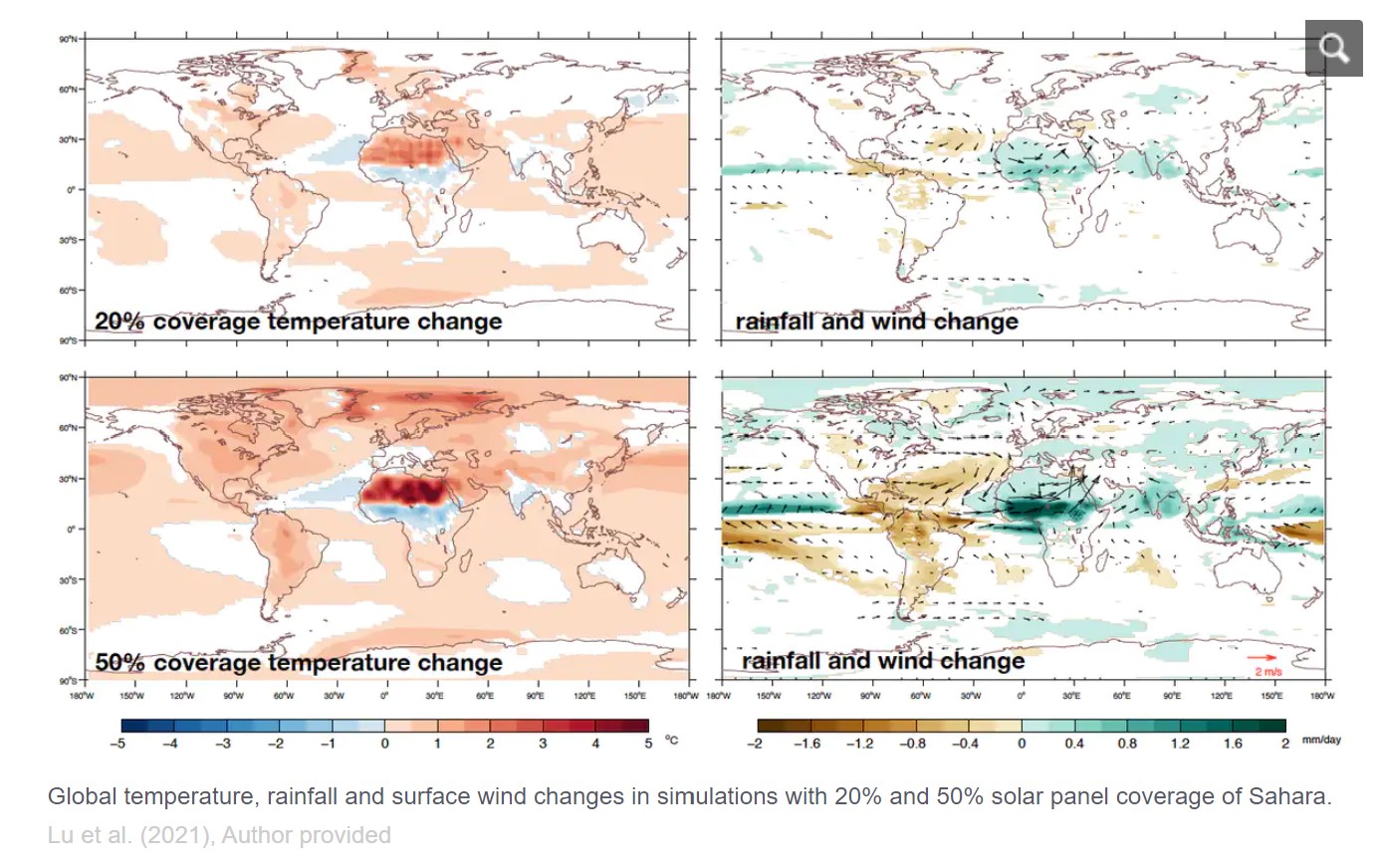
បើយោងតាមទិន្នន័យរបស់ The Conservation ការដែលដាក់បន្ទះសូឡាគ្របពីលើខ្សាច់ នឹងធ្វើឱ្យសីតុណ្ហភាពនៅលើដីក្ដៅជាងមុន។ ពេលខ្យល់ក្ដៅរសាត់ទៅលើអាកាសប៉ះនឹងខ្យល់ត្រជាក់ វានឹងបង្កឱ្យមានភ្លៀងធ្លាក់។ នៅពេលភ្លៀងធ្លាក់ច្រើននៅតំបន់សារាហ៉ា និងធ្វើឱ្យមានរុក្ខជាតិដុះ ចុងក្រោយតំបន់សាហារ៉ានឹងគ្រប់ដណ្តប់ដោយព្រៃឈើ និងមិនក្ដៅហួតហែងដូចមុនទេ។
មានដើមឈើច្រើន ស្ដាប់ទៅដូចជាល្អ ប៉ុន្តែបើតាមការស្រាវជ្រាវ ការប្រែប្រួលអាកាសធាតុនៅវាលខ្សាច់សាហារ៉ា នឹងប៉ះពាល់អាកាសធាតុទាំងមូល។ ផលប៉ះពាល់ទាំងនោះរួមមាន ពិភពលោកនឹងក្ដៅជាងមុនព្រោះខ្យល់ក្ដៅចេញពីវាលខ្សាច់នឹងរសាត់ទៅទូទាំងពិភពលោក ព្រៃអាម៉ាហ្សូននឹងបាត់បង់ទឹកភ្លៀងមួយផ្នែកធំ ហើយលើសពីនេះវាក៏នឹងបង្កឱ្យមានព្យុះនៅតំបន់ត្រូពិចដូចជាប្រទេសវៀតណាមច្រើនជាងមុន។
២) ត្រូវការទុនវិនិយោគខ្ពស់ខ្លាំង
ការសាងសង់រោចចក្រសូឡាលើផ្ទៃដីដ៏ធំសម្បើមនេះ គឺត្រូវទុនវិនិយោគដ៏មហាសាល ពោលគឺរាប់រយពាន់លានដុល្លារ។ ក្រៅពីទុនសម្រាប់សង់រោចចក្រ បញ្ហាមួយទៀតគឺហេដ្ឋារចនាសម្ព័ន្ធខ្សែបណ្ដាញតភ្ជាប់ពីរោងចក្រទៅពិភពលោកទាំងមូល។ ជំហានដំបូង អាចតភ្ជាប់ទៅតំបន់ជិតៗ ដូចជាទ្វីបអាហ្វ្រិក និងអឺរ៉ុបសិន ប៉ុន្តែក៏ត្រូវការទុនវិនិយោគខ្ពស់ដែរ។
៣) បញ្ហាភូមិសាស្រ្ត និងនយោបាយ
ដូចដែលបានដឹងស្រាប់ហើយ វាលខ្សាច់សាហារ៉ាមិនមែនស្ថិតនៅក្នុងប្រទេសតែមួយទេ ប៉ុន្ដែគឺជាប់នឹង ១១ ប្រទេសឯណោះ។ ដូច្នេះ ការធ្វើគម្រោងបែបនេះ គឺត្រូវការសុំការអនុញ្ញាតពីប្រទេសនីមួយៗ ហើយប្រទេសទាំងនោះត្រូវតែសហការគ្នា។ គម្រោងធំសម្បើមបែបនេះ គឺត្រូវការរយៈពេលវែងក្នុងការសាងសង់ បើប្រទេសណាមួយមានបញ្ហានយោបាយ ឬអ្នកដឹកនាំថ្មី មិនអនុញ្ញាតឱ្យធ្វើគម្រោងបន្ត។ អ្នកវិនិយោគនឹងខាតបង់ខ្លាំង ហើយការផ្គត់ផ្គង់ថាមពលនឹងត្រូវបានផ្ដាច់។ លើសពីនេះ ភូមិសាស្រ្តដើម្បីចូលទៅដល់វាលខ្សាច់ក៏លំបាកដែរ ដែលត្រូវប្រើពេល និងកំលាំងច្រើនដើម្បីដឹកយកបន្ទះសូឡាទៅដាក់នៅទីនោះ។
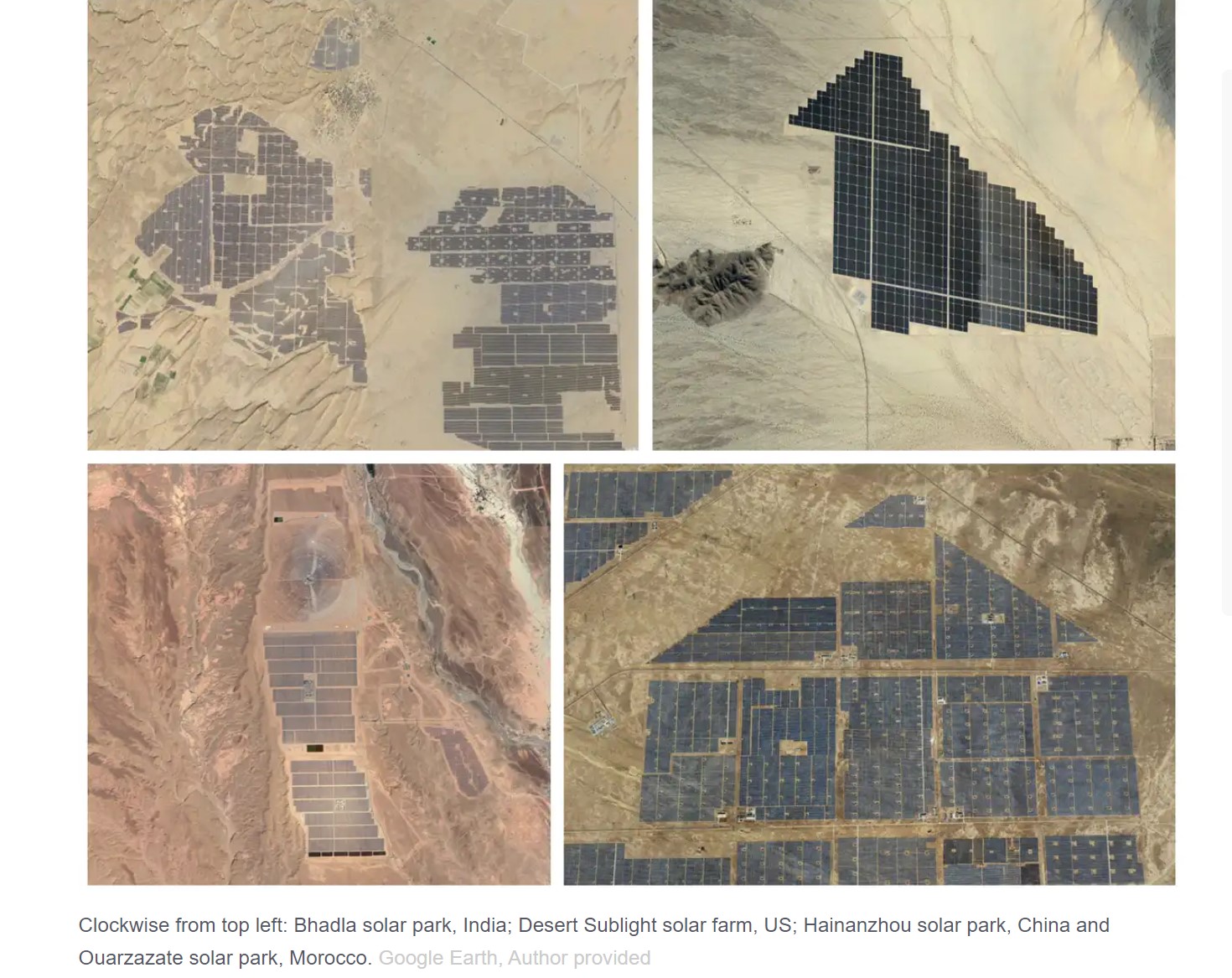
យ៉ាងណាក្ដី ផែនការនេះមិនមែនជាការបរាជ័យទាំងស្រុងទេ ប្រទេសនីមួយៗ ដែលនៅជាប់នឹងសមុទ្រខ្សាច់ ក៏បានបង្កើតរោងចក្រខ្នាតតូចផ្ទាល់ខ្លួន ដើម្បីប្រើប្រាស់ក្នុងប្រទេស។ ជាក់ស្ដែងដូចជា ប្រទេសម៉ូរ៉ូកូ បាននឹងកំពុងសាងសង់រោងចក្រសូឡាលើវាលខ្សាច់សាហារ៉ា ឈ្មោះថា Noor Solow Power Plant ។
គម្រោងនេះបែងចែកជាច្រើនដំណាក់កាល ដោយដំណាក់កាលទី ១ ចាប់ផ្ដើមពីឆ្នាំ ២០១៣ ដល់ឆ្នាំ ២០១៦ ឯដំណាក់កាលទី២ និងទី៣ កំពុងសាងសង់។ គម្រោងទាំងមូលនឹងលាតសន្ធឹងលើផ្ទៃដីជាង ២៥០០ ហិកតា ដែលគ្រោងនឹងប្រើទុនវិនិយោគសរុបជាង ២,៥ ពាន់លានដុល្លារ។ ក្រោយបញ្ចាប់ការសាងសង់រោងចក្រនឹងមានអានុភាពជាង ៥០០ MW និងអាចផ្គត់ផ្គង់ដល់មនុស្សជាង ២លាននាក់។
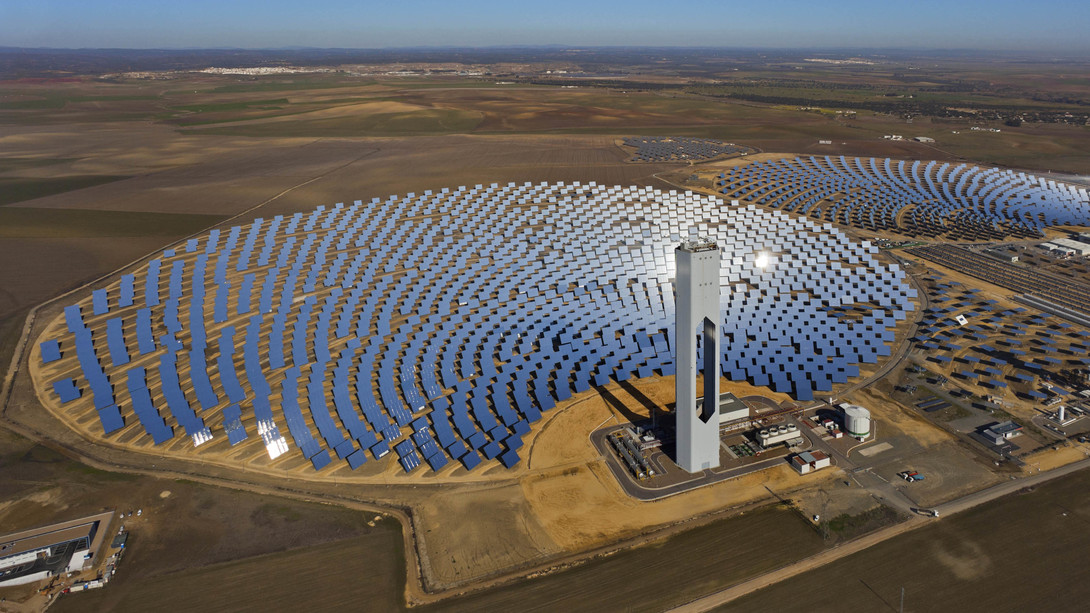 Photo by: The Wall Street Journal
- Video Advertisement -
 English
  ខ្មែរ
ខ្មែរ