
Southeast Asia’s Coastal Real Estate Development Faces Critical Balance with Mangrove Conservation

A ground-breaking study reveals that 85% of Southeast Asia’s mangrove forests, which comprise 32 percent of global mangrove coverage and sequester 15.9 million tonnes of carbon dioxide annually, face severe risks from real estate development, agricultural expansion, and climate change impacts, according to new research led by University of Queensland researcher Valerie Kwan, as reported by Eco Business on 3 February 2025.

In Cambodia specifically, recent data from Global Mangrove Watch shows the country’s mangrove forest areas cover approximately 62,691 hectares, with deforestation rates currently ranging between 3% to 5% annually. The country’s largest mangrove forest expanse, the 23,750-hectare Peam Krasop Wildlife Sanctuary, recently made headlines when a comprehensive biodiversity survey identified more than 700 unique species in the area, underlining the critical ecological value of these coastal ecosystems.

The findings present significant implications for coastal property development across Southeast Asia, where mangroves serve as natural barriers against rising sea levels and extreme weather events. These ecosystems, capable of storing three to five times more carbon per hectare than rainforests, are increasingly caught between development pressures and conservation efforts, particularly in Indonesia, Cambodia, and the Philippines, where aquaculture, rice cultivation, and palm oil plantations pose the greatest immediate threats.

The economic dynamics of mangrove conservation present a complex challenge for real estate developers and investors. Despite blue carbon credits from the Delta Blue Carbon Project in Pakistan commanding premium prices of USD 29.72 per tonne in 2023, the study indicates that even at USD 200 per tonne, carbon credits would only cover approximately one-third of mangrove conservation costs. This pricing structure significantly impacts the feasibility of sustainable coastal development projects.

Coastal real estate development faces additional complications as researchers warn that man-made infrastructure along Southeast Asia’s coastline already limits the natural landward migration of mangroves – a crucial adaptation mechanism against rising sea levels. This limitation creates a critical challenge for developers seeking to balance profitable coastal projects with environmental sustainability and natural disaster protection.

While 47% of regional mangroves currently exist within marine protected areas, meeting the Kunming-Montreal Global Biodiversity Framework’s conservation targets, these designations may not guarantee long-term preservation. Historical data shows that Cambodia’s coastal provinces lost approximately 42% of their mangrove forests between 1989 and 2017, at a rate of 1,415 hectares per year, highlighting the urgent need for stronger conservation measures.

The research suggests a shift toward blended finance models, combining public and private funding streams to support both development and conservation goals. For real estate developers, this could mean new opportunities in eco-sensitive coastal projects that incorporate mangrove preservation as a value-adding feature, particularly given these ecosystems’ vital role in coastal defence and climate resilience.

- Video Advertisement -

Related Post

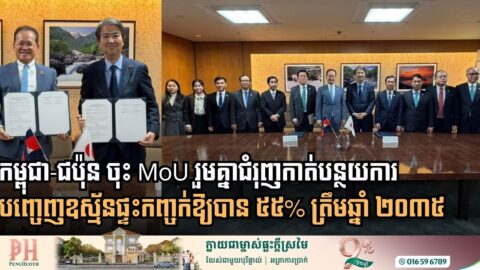
Cambodia and Japan Forge Strategic Partnership to Tackle Climate Change and Environmental Challenges

Bilateral agreement sets ambitious targets for greenhouse gas reduction and outlines a comprehensive framework for sustainable growth The Ministries of Environment from Cambodia and Japan have entered into a landmark Memorandum of Cooperation designed to significantly lower greenhouse gas emissions and promote environmental sustainability. Signed on February 16, 2026, by Cambodian Environment Minister Eang Sophalleth […]
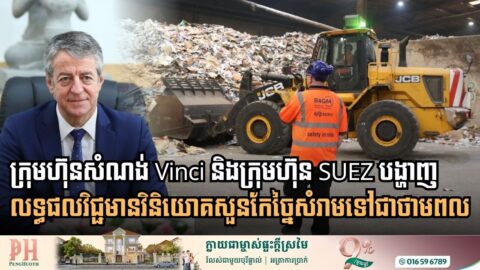
Industrial Giants Propose Innovative Waste-to-Energy Park to Cambodian Government

Vinci Construction and SUEZ present feasibility study for urban solid waste treatment and sustainable energy production A delegation from Vinci Construction and SUEZ Company recently met with Cambodian government officials to present a feasibility study for a proposed waste recycling park. The project focuses on selecting advanced technologies for the treatment of urban solid waste […]
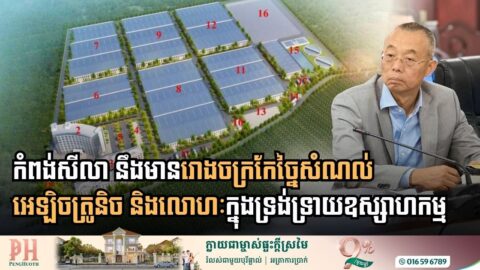
Cambodia Greenlights $10 Million Recycling Hub in Sihanoukville

Strategic facility in Kampong Seila to pioneer industrial-scale recycling of electronic, automotive, and metal waste as part of a nationwide environmental cleanup initiative Sihanoukville’s industrial landscape is set for a major environmental upgrade following the government’s approval of a $10 million specialized waste processing plant. On January 21, 2026, the Ministry of Environment and provincial […]

Vietnam, Cambodia, and Laos Strengthen Cooperation on Power Supply and Transportation Links

In a significant move towards enhancing regional connectivity, Cambodian Prime Minister Hun Sen, Vietnamese Prime Minister Pham Minh Chinh, and Lao Prime Minister Sonexay Siphandone pledged to further develop power supply and transportation links among their countries. This commitment was made during the 47th ASEAN Summit and Related Summits held in Kuala Lumpur, Malaysia, from […]

ADB Approves USD 82.5 Million to Advance Renewable Energy in Cambodia

The Asian Development Bank (ADB) has approved a substantial funding package of USD 82.5 million aimed at bolstering Cambodia’s Energy Transition Sector Development Program (ETSDP). The announcement was made in a press release on October 7, 2025, highlighting the program’s dual focus on policy reforms and technological investments. The primary objective of the ETSDP is […]

Major Companies Set to Convert Household Waste into Electricity in Phnom Penh

In a significant step towards sustainable energy solutions, two major companies, SAGE ENGINEERING and VINCI CONSTRUCTION, have unveiled plans to convert household waste into electricity in Phnom Penh. This initiative aims to enhance energy efficiency while addressing the growing waste management challenges in the capital city. The announcement followed a working meeting on September 18, […]