

 English
  ខ្មែរ
ខ្មែរ 



Digital Twins and Drones Slashing Bridge Recovery Times in Kentucky
Emerging technologies are transforming how disaster-stricken areas rebuild, with Kentucky recently demonstrating that “digital twins” and aerial surveillance can reduce infrastructure recovery timelines from months to mere hours. Following devastating floods in 2022, the state leveraged its Bridging Kentucky initiative to bypass traditional, slow-moving survey methods. By deploying drones and 3D laser scanning, engineering teams […]

OpenRail Designer 2025: Redefining Efficiency for Global Rail Infrastructure
Bentley Systems has officially launched OpenRail Designer 2025, a major update designed to eliminate the manual bottlenecks that have long challenged rail engineers. By focusing on advanced automation, data integrity, and high-fidelity geospatial integration, this release transforms how complex rail networks—from routine maintenance to high-speed megaprojects—are designed and managed. As global demand for resilient infrastructure […]
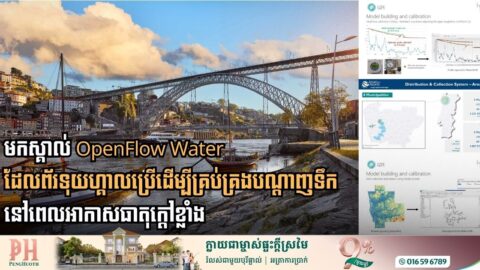
How Portugal Uses Digital Tools to Manage Water Network During Heat Waves
As summer temperatures in northern Portugal consistently climb past 38°C, regional water utility Águas do Norte has successfully pivoted from reactive repairs to proactive management by leveraging Bentley Systems’ OpenFlows Water solution. Serving nearly 2 million residents across 63 municipalities, the utility faced recurring crises where extreme heat caused water tanks to hit critical lows, […]

ALDOT Integrates Bentley’s AI to Refine Performance-Based Highway Budgeting
Alabama Utilizes Bentley Tech to strengthen data-driven maintenance planning The Alabama Department of Transportation (ALDOT) is enhancing its long-standing performance-based budgeting model by integrating Blyncsy, an AI-powered solution from Bentley Systems. For more than 15 years, ALDOT has led the way in using data to drive financial decisions, but the manual collection of condition data […]

Bentley Systems Technology Predicts Grid Failures Before the Storm Hits
As extreme weather events continue to expose the vulnerabilities of an aging electrical grid, Bentley Systems is deploying advanced “digital twin” technology to transform how utilities prepare for disasters. By utilizing its Power Line Systems (PLS) software, Bentley can now predict exactly which poles and wires will fail under specific weather conditions, allowing for surgical, […]

Why “Smart” Pumps Aren’t Always Smart
Think a “variable speed” pump is a guaranteed money-saver? Think again. A recent analysis has revealed that a common engineering “shortcut” could actually be draining thousands of dollars from utility budgets every year. Junior engineers often fall for the “Pump Affinity Law”—a simple formula suggesting that if you slow a pump down by 20%, you […]