

 English
  ខ្មែរ
ខ្មែរ 


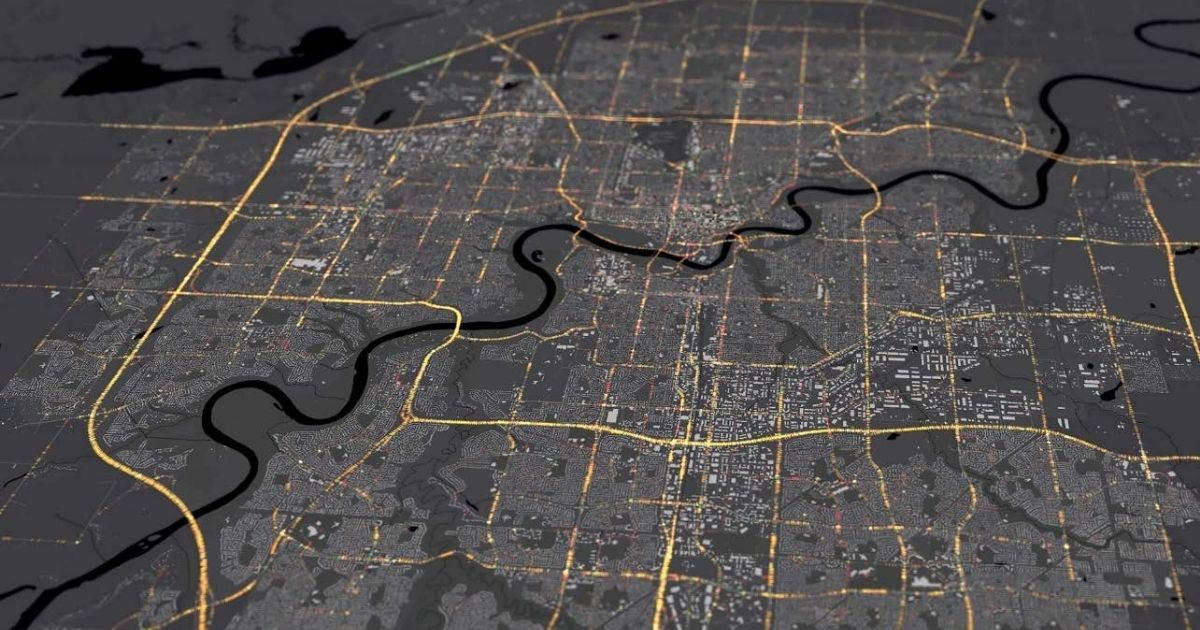
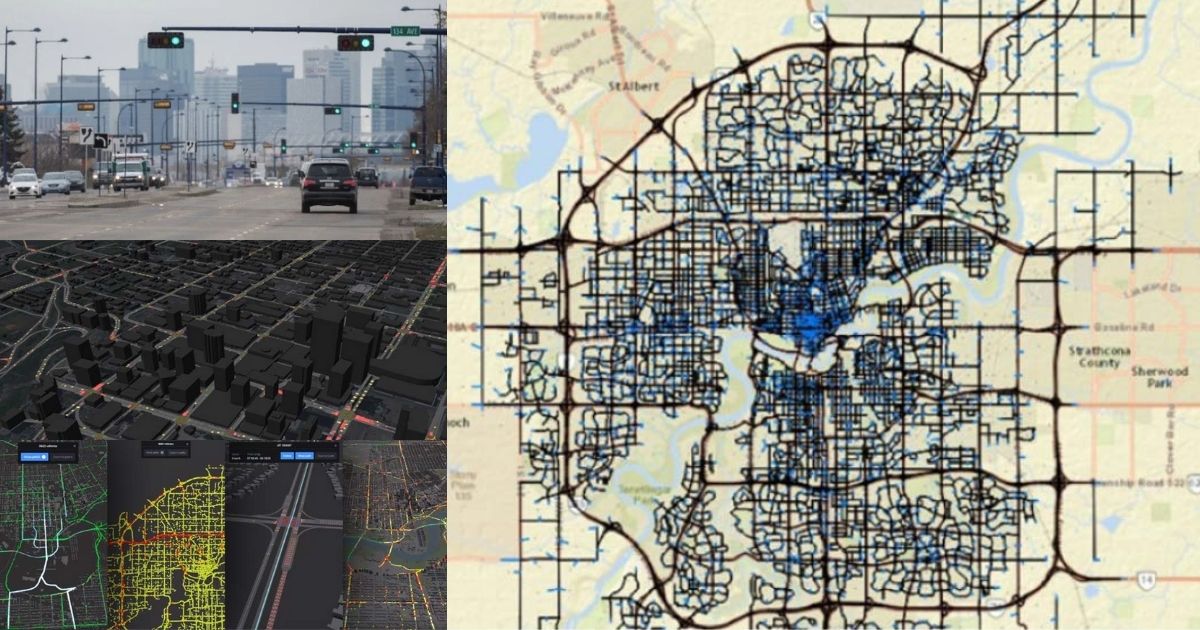

Exploring Sydney Through a New Digital Lens
Just in time for the Bentley Illuminate 2026 conference in Sydney, a new 3D virtual tour has been launched to show the city like never before. Powered by Cesium, this digital experience moves beyond the postcard-perfect images of Sydney to reveal how the city functions as a complex, interconnected system. By using advanced 3D modeling, […]

Mining Tech Giant Brings AI-Powered Exploration Tools to PDAC 2026
Seequent, a leader in subsurface software solutions, is showcasing a major push into artificial intelligence and cloud-connected workflows at this year’s Prospectors & Developers Association of Canada (PDAC) Convention. The company is highlighting how it uses machine learning and advanced data platforms to help mining companies find minerals faster while reducing overall project risk. The […]

Digital Twins and Drones Slashing Bridge Recovery Times in Kentucky
Emerging technologies are transforming how disaster-stricken areas rebuild, with Kentucky recently demonstrating that “digital twins” and aerial surveillance can reduce infrastructure recovery timelines from months to mere hours. Following devastating floods in 2022, the state leveraged its Bridging Kentucky initiative to bypass traditional, slow-moving survey methods. By deploying drones and 3D laser scanning, engineering teams […]
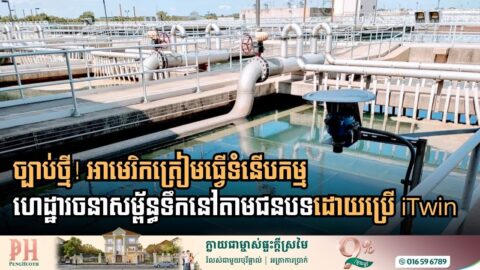
New Bipartisan Legislation Targets Modernization of Rural Water Infrastructure
A new legislative initiative, the Futureproofing Local Operations for Water Systems (FLOWS) Act of 2026, has been introduced to address the growing technical and security gap facing rural water utilities across the United States. The bill proposes a targeted grant program designed to help small-scale drinking water and wastewater systems upgrade their aging infrastructure and […]

The Tech Behind Bentley’s Immersive Digital Twins
In the world of massive infrastructure, the biggest challenge isn’t just building a bridge—it’s helping people visualize it before it exists. Bentley Systems is solving this through its iLab innovation hub, where lead designer Liana O’Cleirigh is deploying a suite of high-tech tools that turn complex engineering data into immersive, human-scale experiences. At the heart […]

Why Infrastructure Needs Better Conversations, Not Just Better Tools
As climate-related disasters like wildfires and severe flooding become more frequent, communities across the United States are finding that their current infrastructure is struggling to keep up. Recent research suggests that moving from traditional asset management to digital one is a great move, but what is more crucial is cooperation. Duke University and industry partners […]