





Cambodia’s Upcoming LNG Power Project: A Game Changer for Energy Security

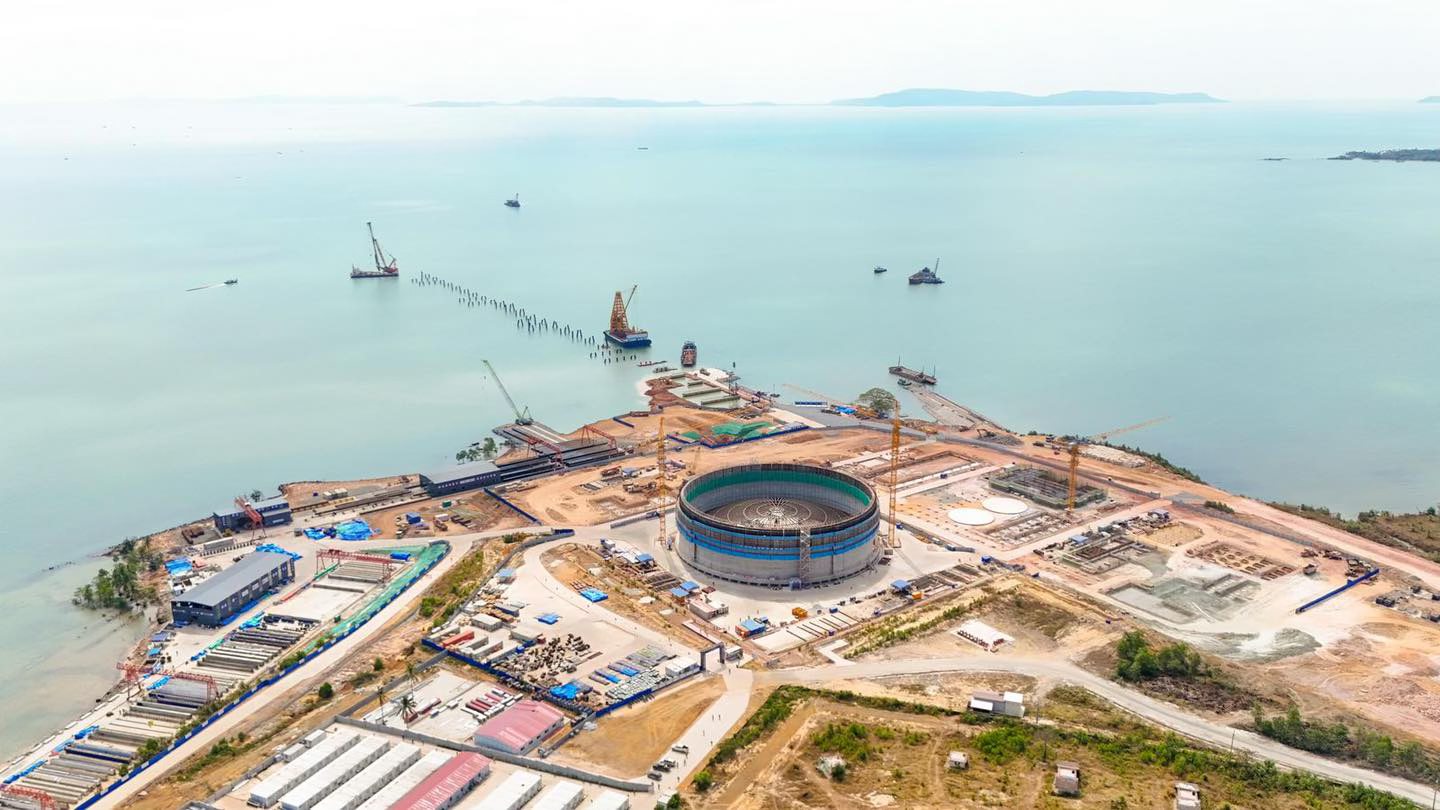
The Royal Government of Cambodia has announced an ambitious plan to operationalize a groundbreaking 900-megawatt liquefied natural gas (LNG)-powered power plant by the end of 2026, with full completion targeted for the end of 2027. This pivotal project, which is set to significantly bolster the nation’s electricity supply, was discussed in a statement issued by the Ministry of Mines and Energy on January 5, 2025.

Minister Keo Rattanak emphasized the significance of this initiative in enhancing Cambodia’s energy security and stabilizing the national electricity grid. “Promoting the development of the electricity sector efficiently and swiftly is crucial to ensuring a sufficient, sustainable, and affordable energy supply across the country,” Rattanak noted. He further articulated that a robust energy framework is essential not only for the livelihood of citizens but also for fostering growth in various sectors, including industry, agriculture, tourism, and commerce.

With a projected investment of $1.34 billion, the LNG power project is poised to generate hundreds of jobs for the local workforce, creating new opportunities for economic advancement. The plant will be equipped with two 450-megawatt turbines, with the first expected to start power generation at the end of 2026, followed by the second turbine in December 2027. This phase-wise construction approach will allow for a gradual increase in the power supply to meet rising demands.

Importantly, this development marks a shift in Royal Group’s investment strategy. Initially authorized to invest in a 700-megawatt coal-fired power project in Koh Kong province’s Botum Sakor district, the company opted to redirect its focus toward the cleaner LNG project, underscoring a commitment to sustainable energy practices in Cambodia.

Energy experts have welcomed this transition, noting that the shift to natural gas represents a vital step towards reducing carbon emissions and enhancing the country’s regulatory framework around energy production. The move aligns with global trends favoring cleaner energy sources as countries strive to meet their climate goals.

As Cambodia embarks on this significant infrastructure initiative, it stands to not only enhance the well-being of its citizens through improved energy access but also to pave the way for a more sustainable and economically resilient future. The success of this LNG project will serve as a crucial test case for further investments in renewable and alternative energy sources in the region.

In summary, the establishment of Cambodia’s LNG power plant is anticipated to play a fundamental role in shaping the future of energy in the country, ensuring that growth and environmental responsibilities go hand in hand. (read more)

- Video Advertisement -

Related Post

Phnom Penh International Airport to Close Permanently as Techo International Airport Prepares to Open

In a significant development for the nation’s aviation sector, the Takhmao Techo International Airport is set to officially open on 10 July 2025, with construction currently over 96% complete. The ambitious project, with a total investment of approximately USD 1.6 billion, signifies a major leap forward in Cambodia’s infrastructure. HE Sin Chansereyvutha, Secretary of State […]

Dam Safety in an Earthquake

Bentley Expert An earthquake can cause a dam to crack or dislocate, or even cause its component blocks to detach. The damage can result in uncontrolled water release or a catastrophic flood. Numerical methods such as finite element analysis play an important role in assessing the possible seismic damage to dams. In this blog post, […]

Progress Report on Romchek Irrigation System in Prey Veng Province

Significant strides have been made in the development of the Romchek irrigation system, which is now nearly 20% complete and poised to enhance agricultural productivity across the region. This comprehensive irrigation initiative is designed to serve a total area of nearly 2,000 hectares, ensuring both wet and dry rice fields receive the necessary water supply. […]

Engineering Wonders of the World: Highest Railway Bridge on Earth Nears Completion in India

This article is the first in our new Engineering Wonders of The World series. The world’s highest railway bridge is in a rugged, mountainous area of northern India – and it is a sight to behold. Hovering 1,170 feet above the Chenab River in the Kashmir Valley of the Himalayas, the steel, arch-supported bridge is […]

Yuba Water Implements Digital Twin for Automated Monitoring of California’s Second Tallest Dam

Using Bentley’s Reality Modeling and iTwin Applications, they have established situational intelligence to optimize risk assessment for the New Bullards Bar Dam. This 645-foot-tall concrete arch dam was constructed in 1970 to minimize flood risk, produce clean hydropower, and guarantee a dependable water supply for Yuba County residents. The previous monitoring system for the dam […]

China Uses Bentley’s Digital Twin to Build Xudong Underground Substation’s, Enough for Supplying 200k Residents

In a groundbreaking move to revolutionise the power grid infrastructure in central China, the Xudong underground substation emerges as a pivotal project in the 13th five-year plan of the Hubei power grid. This innovative substation, the first of its kind in central China, operates at 220 kilovolts and serves as a pilot demonstration project for […]