Interactive 3D Experience Brings 2026 World Cup Stadiums to Life

Soccer fans can now explore the expansive geography of the 2026 FIFA World Cup through a new interactive 3D digital tour.

Created by Bentley Systems, the experience utilizes the company’s Cesium geospatial platform to provide detailed digital replicas of all 16 host stadiums across Mexico, Canada, and the United States. Users can fly between host cities and survey stadium surroundings from any device.

Beyond providing an immersive fan experience, the project highlights the sophisticated technology Bentley Systems offers to the infrastructure industry. By transforming real-world data into accurate digital models, the company demonstrates how its software empowers engineers to design, manage, and analyze massive infrastructure projects on a global scale.

According to Bentley Systems, the Cesium platform serves as a powerful foundation, enabling teams to integrate diverse data points from engineering applications and field operations into a single, cohesive environment.

This capability was previously demonstrated during the construction of major venues like AT&T Stadium, where engineers used Bentley’s PLAXIS 3D software to validate critical foundation designs.

To explore the experience, click here.

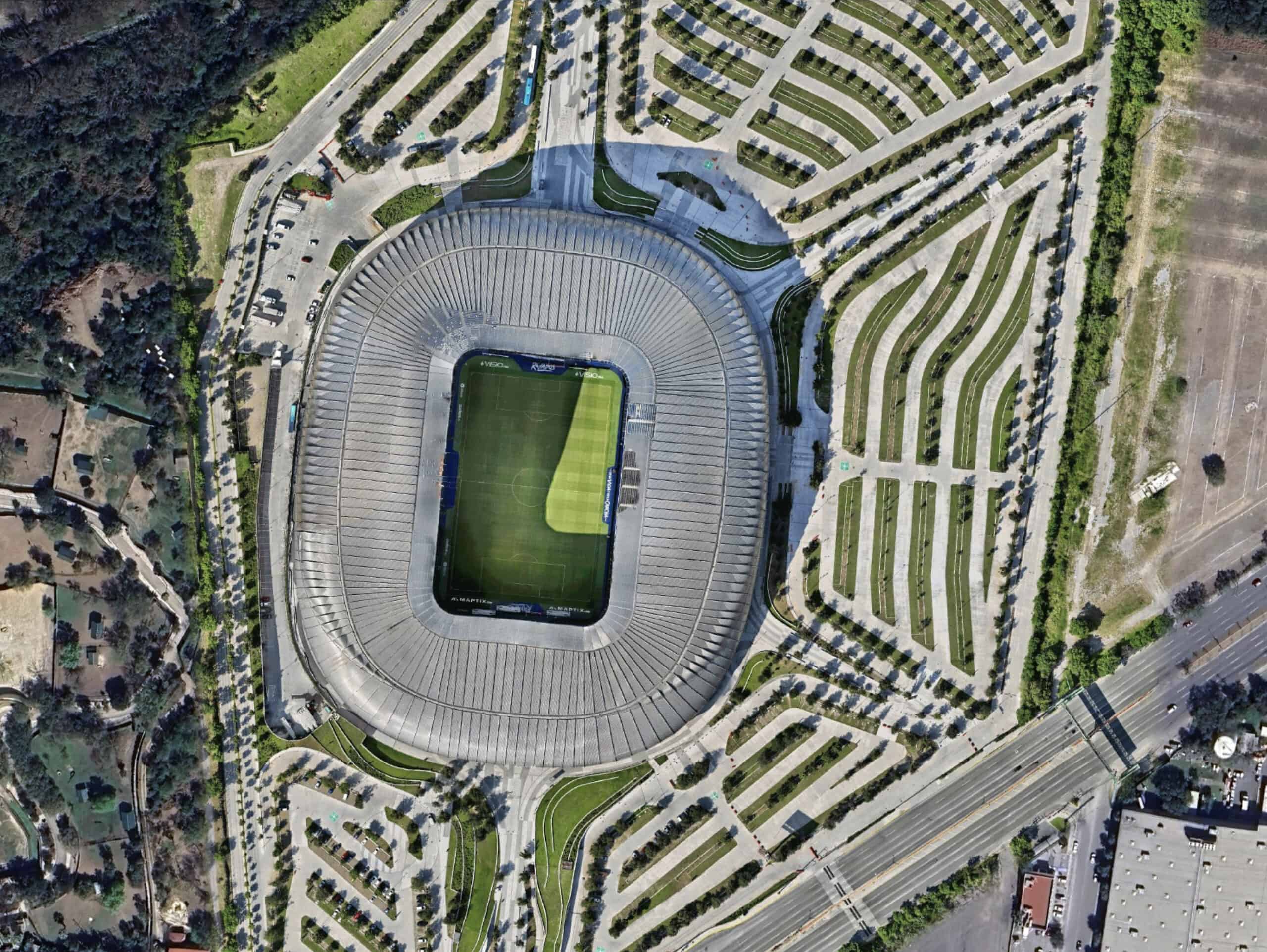
កីឡដ្ឋាន Estadio Monterrey ដែលជាកីឡដ្ឋានមួយក្នុងចំណោមកីឡដ្ឋានដែលទទួលធ្វើជាម្ចាស់ផ្ទះសម្រាប់ព្រឹត្តិការណ៍ FIFA World Cup ឆ្នាំ២០២៦។
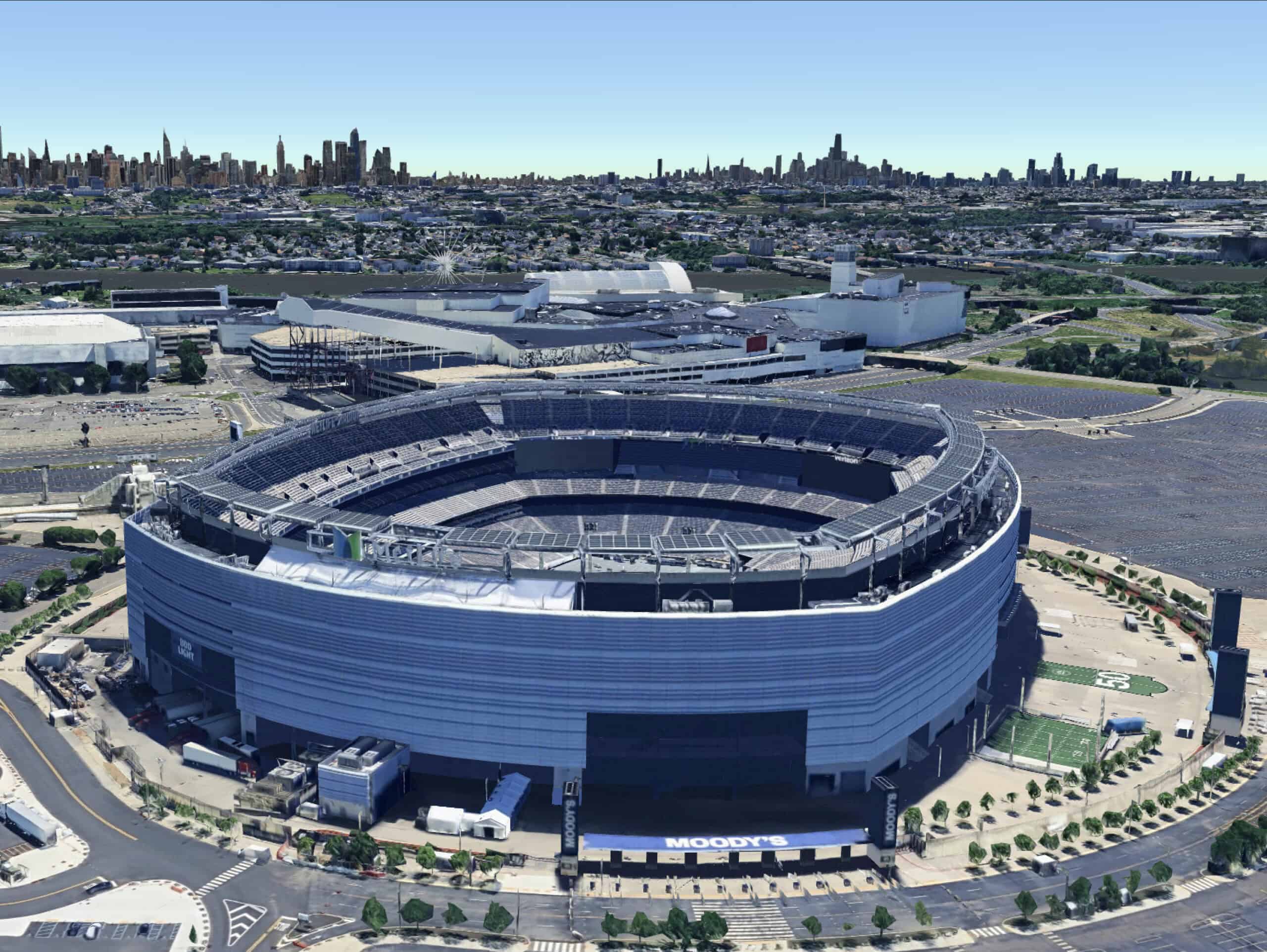
ពហុកីឡដ្ឋានញូវយ៉ក រដ្ឋញូវជើស៊ី ដែលត្រូវបានគេស្គាល់ផងដែរថាជាពហុកីឡដ្ឋាន MetLife ជាមួយនឹងទេសភាពដ៏ស្រស់ស្អាតនៃទីក្រុង Manhattan នៅផ្ទៃខាងក្រោយ។


ហោះមើលកីឡដ្ឋានទាំង 16 ក្នុង World Cup 2026 បែបដូចពិតរស់រវើកជាមួយកម្មវិធីមួយនេះ

អ្នកគាំទ្រកីឡាបាល់ទាត់ឥឡូវនេះហោះមើលកីឡដ្ឋានទាំង 16 នៃព្រឹត្តិការណ៍ FIFA World Cup ឆ្នាំ 2026 បែបដូចពិតរស់រវើក និងគ្រប់ជ្រុងជ្រោយទាំងអស់ដូចទៅទីតាំងជាក់ស្ដែង ដោយគ្រាន់តែប្រើកម្មវិធីឌីជីថល 3D ថ្មីមួយរបស់ក្រុមហ៊ុន Bentley។

បទពិសោធន៍នេះបង្កើតឡើងដោយក្រុមហ៊ុន Bentley Systems ដោយប្រើប្រាស់វេទិកាភូមិសាស្ត្រ Cesium របស់ក្រុមហ៊ុន ដើម្បីផ្ដល់នូវរូបភាពចម្លងបែបឌីជីថលយ៉ាងលម្អិតនៃកីឡដ្ឋានទាំង 16 ក្នុងប្រទេសម៉ិកស៊ិក កាណាដា និងសហរដ្ឋអាមេរិក។

អ្នកប្រើប្រាស់អាចហោះហើររវាងទីក្រុងនានាដែលជាម្ចាស់ផ្ទះ និងពិនិត្យមើលបរិវេណកីឡដ្ឋានពីឧបករណ៍ណាមួយក៏បាន។ ក្រៅពីផ្ដល់នូវបទពិសោធន៍ដ៏អស្ចារ្យសម្រាប់អ្នកគាំទ្រ គម្រោងនេះក៏បានបង្ហាញពីបច្ចេកវិទ្យាដ៏ទំនើបដែល Bentley Systems ផ្ដល់ជូនដល់ឧស្សាហកម្មហេដ្ឋារចនាសម្ព័ន្ធផងដែរ។

តាមរយៈការបំប្លែងទិន្នន័យជាក់ស្ដែងទៅជាម៉ូដែលឌីជីថលដ៏ត្រឹមត្រូវ ក្រុមហ៊ុនបានបង្ហាញពីសក្ដានុពលនៃកម្មវិធីរបស់ខ្លួនក្នុងការជួយដល់វិស្វករក្នុងការរចនា គ្រប់គ្រង និងវិភាគគម្រោងហេដ្ឋារចនាសម្ព័ន្ធធំៗក្នុងកម្រិតសកល។

យោងតាម Bentley Systems កម្មវិធី Cesium គឺកំពុងប្រើជាមូលដ្ឋានគ្រឹះ ដែលអាចឱ្យក្រុមការងារធ្វើសមាហរណកម្មទិន្នន័យផ្សេងៗពីកម្មវិធីវិស្វកម្ម និងប្រតិបត្តិការផ្សេងទៀត ឱ្យចូលក្នុងប្រព័ន្ធតែមួយ ខណ

ៈក៏ជួយធ្វើឱ្យការស្រមៃនៃរូបរាគគម្រោងធ្វើឡើងដោយងាយស្រួលជាងមុន។

សមត្ថភាពនេះត្រូវបានបង្ហាញពីមុនមកក្នុងអំឡុងពេលសាងសង់កន្លែងធំៗដូចជាកីឡដ្ឋាន AT&T ដែលវិស្វករបានប្រើកម្មវិធី PLAXIS 3D របស់ Bentley ដើម្បីផ្ទៀងផ្ទាត់ការរចនាគ្រឹះដ៏សំខាន់ ជាដើម។

ដើម្បីចង់ទទួលយកបទពិសោធន៍ សូមចុចទីនេះ

Estadio Monterrey, one of the host stadiums for the 2026 World Cup.
New York New Jersey Stadium, also known as the MetLife Stadium, with the beautiful Manhattan skyline in the background.
- Video Advertisement -

Related Post

Bentley Systems Highlights AI-Powered Digital Twins to Improve Infrastructure Data Management

At the Cesium Developer Conference, Bentley Systems showcased how its Cesium platform, iTwin technology, and new AI tools can help solve a major infrastructure challenge: keeping project data connected throughout an asset’s entire lifecycle. Industry experts noted that valuable information created during design is often lost when projects move from planning to construction and maintenance. […]

Sabesp Transforms Water Infrastructure Through Digital Twin Technology

Sabesp, one of the world’s largest water and waste management companies, is revolutionizing how it serves 30 million residents in São Paulo, Brazil, by shifting from reactive, manual processes to a proactive, data-driven framework called INTEGRA 4.0. To achieve universal water and sanitation access, the utility partnered with Bentley Systems to break down data silos […]

Bentley Systems Expands Vilnius Hub to Lead Global Infrastructure Innovation

Bentley Systems is strengthening its European operations by opening a new office in Vilnius, Lithuania, with plans to grow its local team by nearly a third over the next three years.This expansion solidifies Vilnius as a central hub for the company’s digital innovation strategy, focusing on advancements in artificial intelligence and infrastructure development. Lithuanian engineering […]

New AI-Driven Training Platform Accelerates Bridge Inspection Solutions

A collaborative breakthrough between Collins Engineers and Bentley Systems is addressing America’s critical bridge infrastructure crisis by drastically shortening the time required to train the next generation of inspectors. During a recent three-day hackathon, developers utilized Bentley’s iTwin platform and AI-assisted coding to create a virtual training application, a process that previously took six months. […]

How Unified Reality Modeling Powers Intelligent Digital Twins

Infrastructure teams are overcoming the persistent challenge of isolated data silos by leveraging Unified Reality Modeling to build truly intelligent digital twins. While organizations often possess vast amounts of high-fidelity reality data—ranging from lidar scans and photogrammetry to geospatial information—this data frequently remains locked in disconnected formats, rendering it unintelligent and difficult to share. Bentley […]

France Advances Massive Canal Project with Digital Engineering

France is currently undertaking the construction of the Seine-Nord Europe Canal, a €7.3 billion project set to become the continent’s most ambitious waterway initiative in a century. Stretching 107 kilometers, the canal will provide France with direct freight access to major northern European ports like Rotterdam and Antwerp. To overcome the immense engineering challenges of […]