LSU Students Showcase Innovative Digital Twin Applications Beyond Infrastructure

A new generation of researchers at Louisiana State University (LSU) is expanding the potential of digital twin technology, demonstrating how virtual models can transform fields ranging from cultural preservation and space exploration to healthcare and urban planning.

Presented during the Digital Twin Symposium hosted by DigiTwin Global and sponsored by Bentley Systems, four student-led projects highlighted how digital twins are evolving beyond traditional infrastructure applications to address complex global challenges.

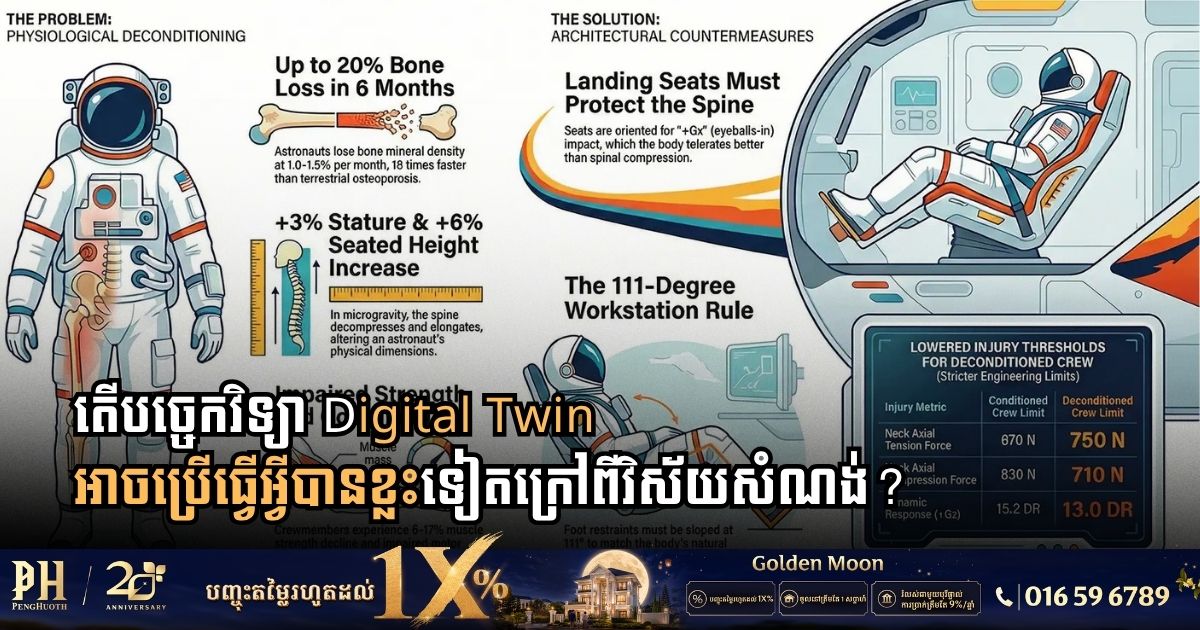
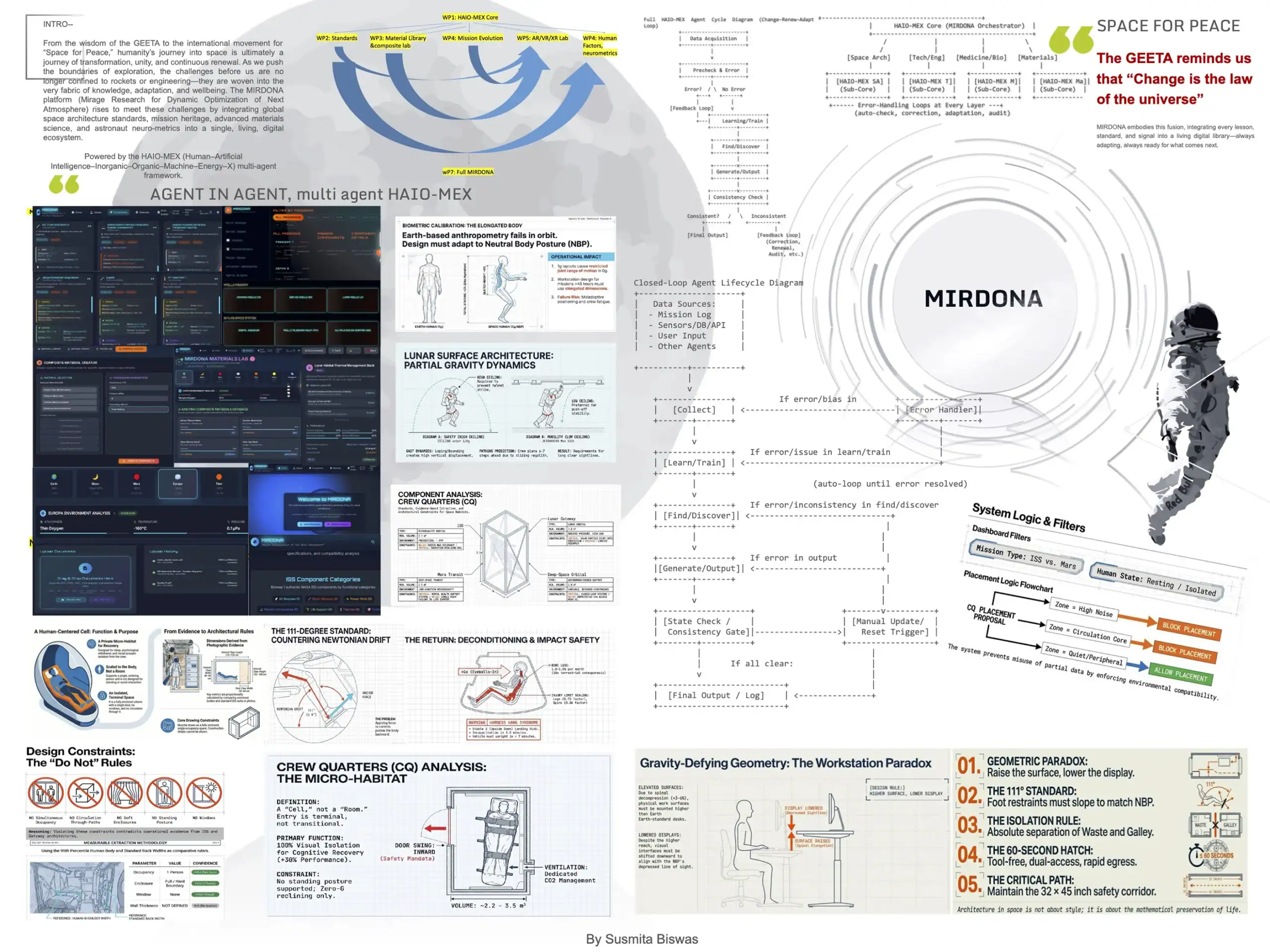
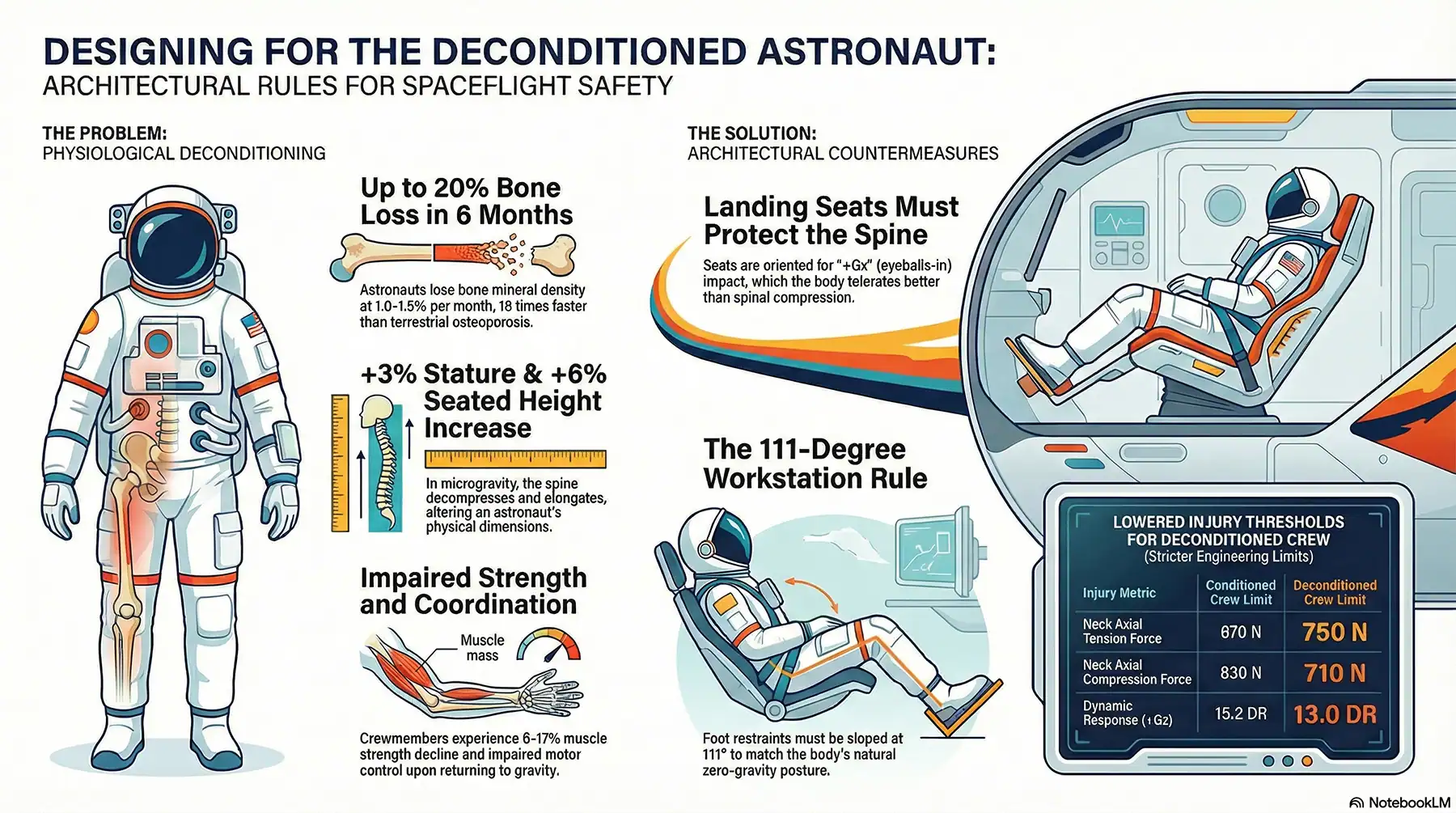
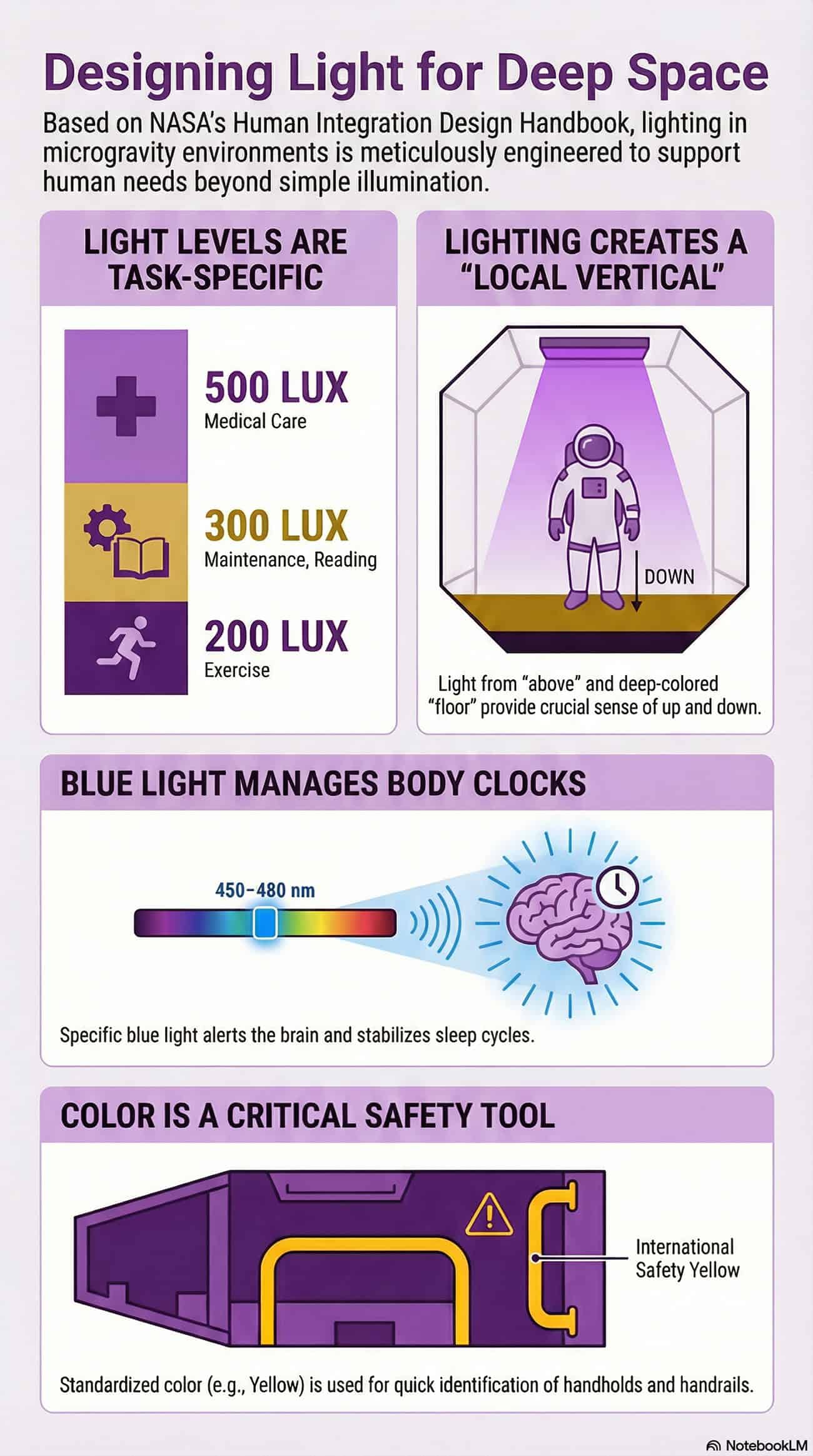
Susmita Biswas’ work focuses on optimizing astronaut cognitive health and habitat safety in deep space.

Among the featured projects, researcher Susmita Biswas introduced MIRDONA, a dynamic digital twin framework designed to optimize astronaut health and habitat safety for future deep-space missions. The platform integrates environmental, spatial, and human performance data while exploring the effects of acoustics and lighting on crew wellbeing.

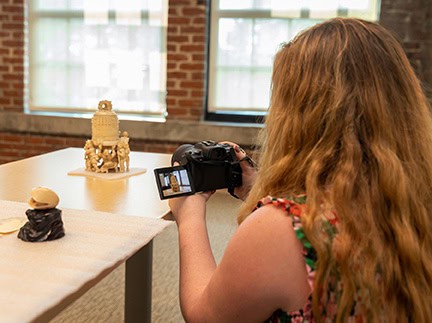
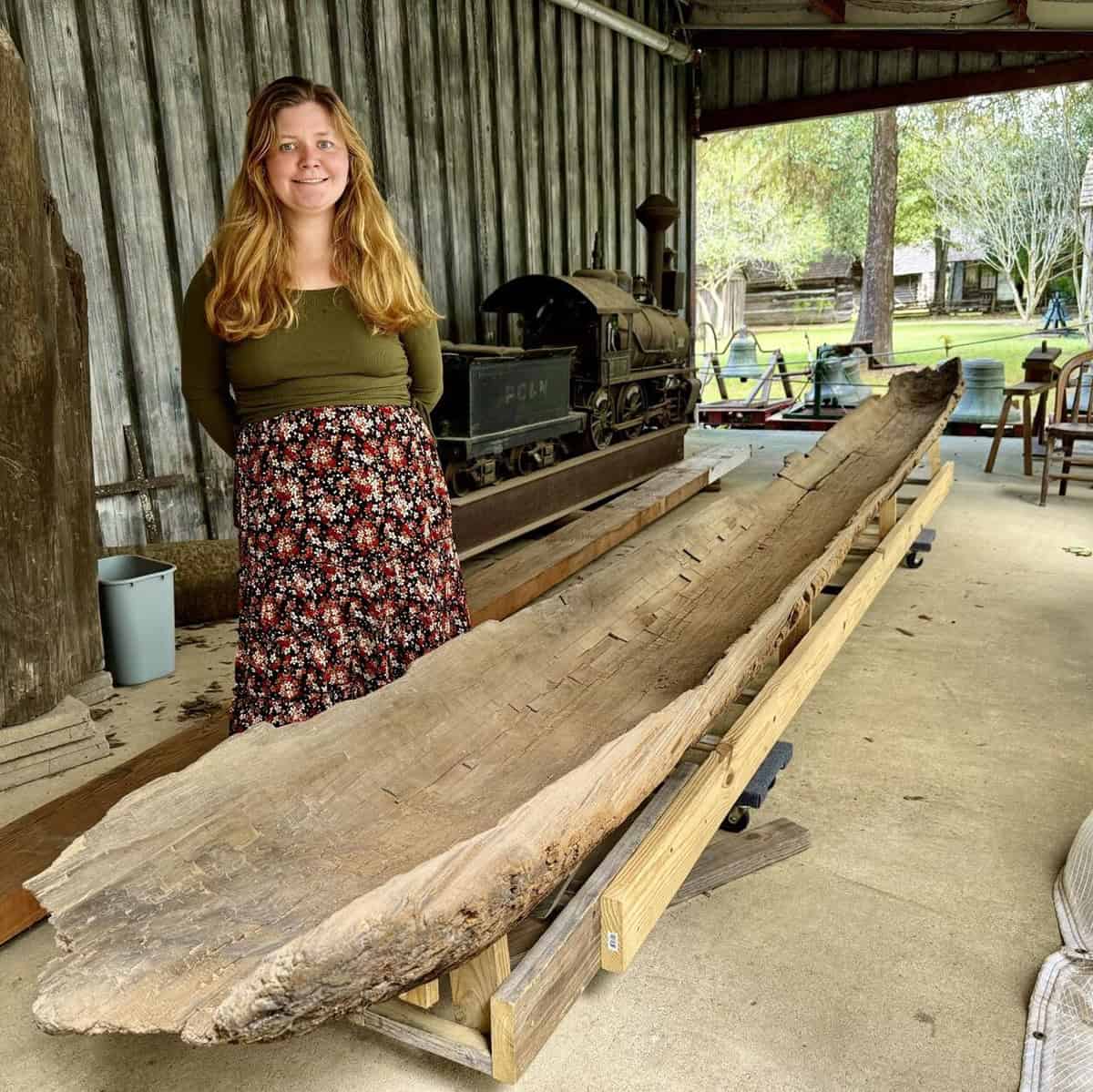
Graduate researcher Meredyth Yorek demonstrated how digital twins can preserve cultural heritage by creating immersive virtual experiences for museum collections and fragile historical artifacts, including a 1,000-year-old Indigenous dugout canoe and the LSU Museum of Art’s ivory collection.

Yorek detailing a cultural artifact at the LSU Museum of Art. Photo courtesy Kevin Duffy.
By creating a precise digital twin of a fragile, 1,000-year-old Indigenous dugout canoe at the LSU Rural Life Museum, Yorek’s groundbreaking work is rescuing ancient history before it fades away forever. Photo courtesy The Advocate.

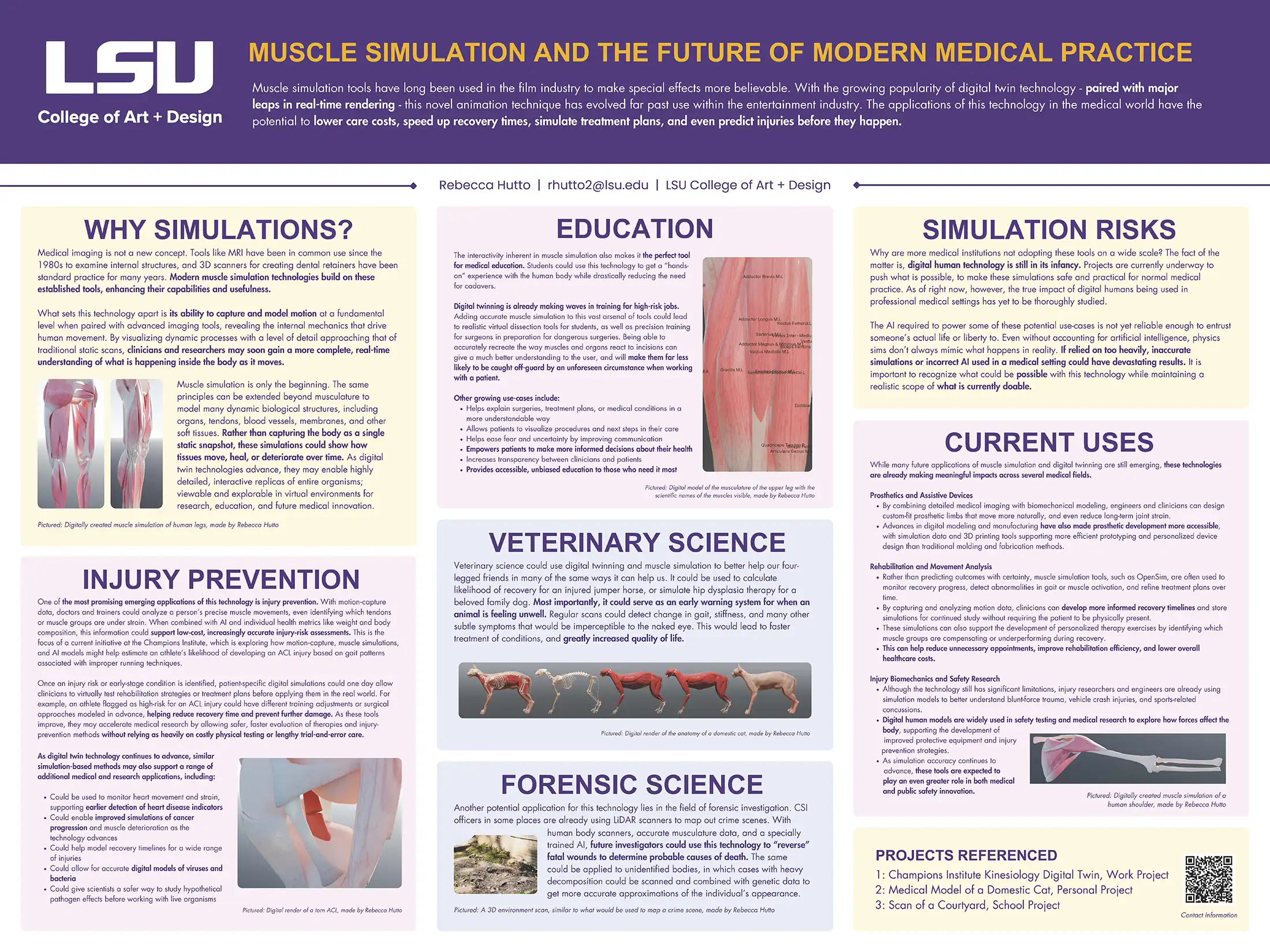
Meanwhile, Rebecca Hutto showcased research that applies digital twin and visual effects technology to personalized medicine. Using MRI data to generate patient-specific muscle simulations, the project aims to help clinicians predict injuries, improve surgical planning, and advance medical education.

Biswas’ work includes how to design light for deep space.

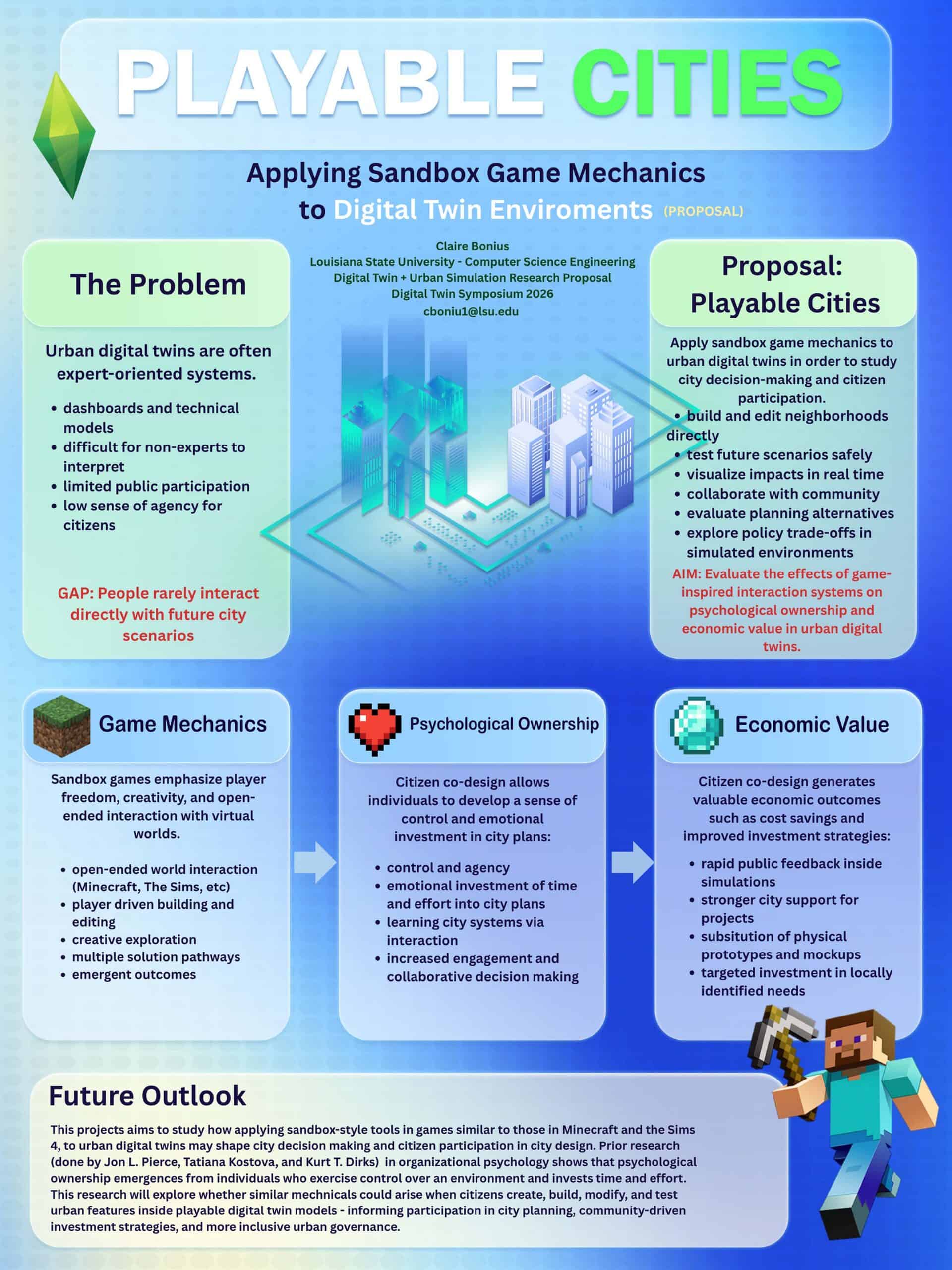
In another innovative application, computer science student Claire Bonius proposed “Playable Cities,” an interactive urban digital twin platform inspired by sandbox video games. The concept encourages citizens to participate directly in city planning by testing development scenarios and exploring policy trade-offs within a virtual environment.

Hutto focused on preventing athletic and clinical injuries using advanced muscle simulations.

Bentley Systems said the projects demonstrate how digital twin technology is increasingly being applied to solve challenges beyond engineering, enabling new opportunities in heritage conservation, human-centered space design, predictive healthcare, and inclusive urban development. DigiTwin Global recognized the students’ achievements by awarding scholarships for their research presented at the symposium.

By gamifying urban planning, Claire’s research fosters ‘psychological ownership,’ empowering citizens to actively co-create and test the future of their own neighborhoods.
- Video Advertisement -

Related Post

London Creates Showcases AI and Ancient Design as the Future of Architecture

Architecture, engineering, and artificial intelligence converged at this year’s London Creates festival, where industry leaders, researchers, and students explored how centuries-old ideas are inspiring the next generation of sustainable design. One of the festival’s highlights was a presentation by Philippe Block, co-founder of Swiss startup Vaulted, who demonstrated how Gothic cathedral vaults have inspired an […]

Bentley Highlights Rigorous Collaboration Behind OpenBridge Designer Development

Bentley Systems has revealed the collaborative engineering process behind the development of OpenBridge Designer, demonstrating how multidisciplinary expertise ensures the software delivers reliable bridge design and structural analysis capabilities. During a product development session in Iași, Romania, bridge engineers, product managers, software architects, and developers worked together to validate engineering concepts before writing code. Rather […]

Italy’s €12.7 Billion Railway Project Uses Digital Technology to Transform Sicily

Italy is carrying out a major €12.7 billion railway modernization project designed to transform transportation across Sicily by improving connections between Palermo, Catania, and Messina. Led by Italferr, the New Palermo–Catania–Messina Railway Connection aims to reduce travel times, increase rail reliability and service frequency, and improve both passenger and freight transportation. Once completed, the journey […]

Ferrovial Uses Digital Technology and AI to Power Long-Term Infrastructure Growth

Ferrovial, one of the world’s largest infrastructure companies, is transforming how major transportation projects are designed, built, and operated through digital engineering, centralized data management, and artificial intelligence. The strategy has helped the company reduce project risks, improve efficiency, and strengthen its long-term concession business, which now accounts for the majority of its value. The […]

Bentley SYNCHRO 4D Helps Deliver West Coast’s Largest Hotel Six Weeks Ahead of Schedule

A joint venture between Mortenson and McCarthy has completed the Gaylord Pacific Resort & Convention Center in Chula Vista, California, six weeks ahead of schedule by leveraging Bentley Systems’ SYNCHRO 4D construction planning software. The USD 1.3 billion development is now the largest hotel construction project ever completed on the U.S. West Coast, demonstrating how […]

Bentley iTwin Engage Helps Infrastructure Teams Make Faster, More Confident Project Decisions

Bentley Systems is helping infrastructure organizations improve decision-making with iTwin Engage, a visualization platform that transforms connected digital twin data into immersive, real-time project experiences. By bringing together BIM models, reality data, engineering designs, and 4D construction schedules into a single live digital twin, the software gives teams a clearer understanding of complex projects. Instead […]