 English
  ខ្មែរ
ខ្មែរ 
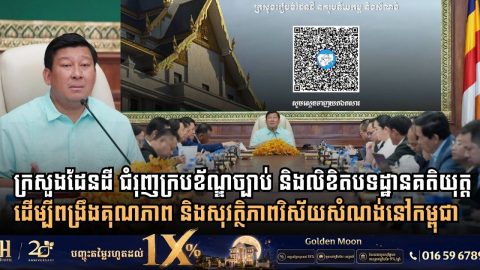
Cambodia’s Land Ministry Expands Legal Framework with Over 230 Regulatory Instruments to Upgrade Construction and Urban Standards
- 13 September 2026
Ministry enacts 65 legal codes and advances 165 draft regulations to ensure safety, structural quality, and sustainable urban development across the Kingdom Phnom Penh: Establishing a comprehensive legal framework and clear technical guidelines remains a foundational priority for the Royal Government of Cambodia in regulating urban development and building practices. In early September, the Ministry […]
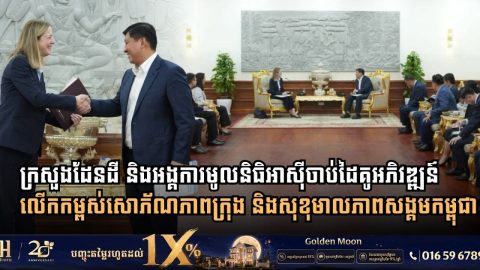
Cambodia’s Land Ministry and The Asia Foundation Forge Strategic Partnership to Elevate Urban Aesthetics and Public Well-Being
- 4 September 2026
Bilateral talks highlight orderly city planning, improved community livelihoods, and sustainable socio-economic growth across Cambodian municipalities Phnom Penh: Urban transformation and public welfare initiatives in Cambodia gained fresh momentum through enhanced collaboration between key government institutions and international development partners. On August 26, 2026, the Ministry of Land Management, Urban Planning and Construction hosted a […]
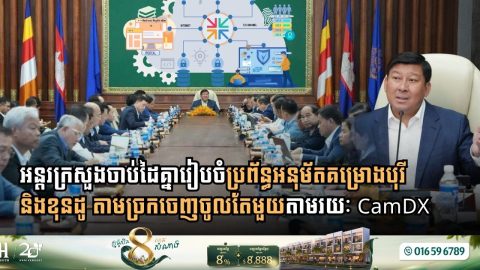
Cambodia Streamlines Borey and Condo Approvals Through Inter-Ministerial CamDX Framework
- 3 September 2026
Ministry of Land Management coordinates multi-agency integration via the single-window system to reduce real estate investment risks and enhance buyer confidence Phnom Penh: Real estate development and housing administration in Cambodia have entered a transformative phase aimed at establishing transparent investment protocols and protecting consumer rights. On August 26, 2026, the Ministry of Land Management, […]
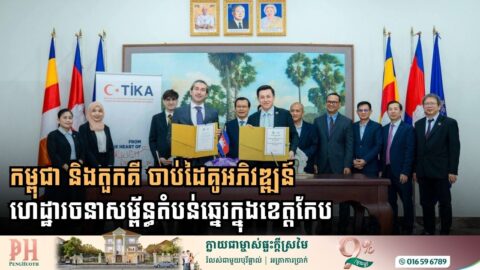
Cambodia and Turkey Partner to Transform Coastal Infrastructure in Kep Province
- 17 May 2026

New Memorandum of Cooperation paves the way for a 1200-meter concrete road to boost the economy and eco-tourism in the Angkol fishing community On May 14, 2026, the Ministry of Land Management, Urban Planning and Construction of Cambodia officially entered into a Memorandum of Cooperation with the Turkish Cooperation and Coordination Agency, widely known as […]
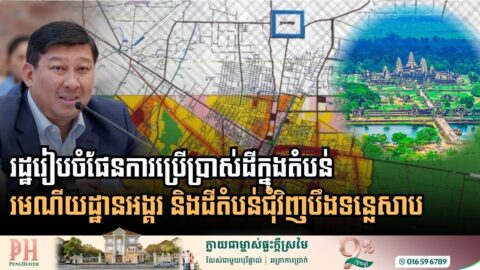
Siem Reap Province Unveils Comprehensive Land Use Master Plan to Preserve Angkor Heritage and Tonle Sap Lake
- 10 March 2026

In a significant move towards sustainable development, the Royal Government of Cambodia has initiated a comprehensive review of land use conditions and master plans across Siem Reap Province. The focus is prominently on the iconic Angkor site and the surrounding areas of Tonle Sap Lake. This decision was highlighted during a recent meeting held by […]
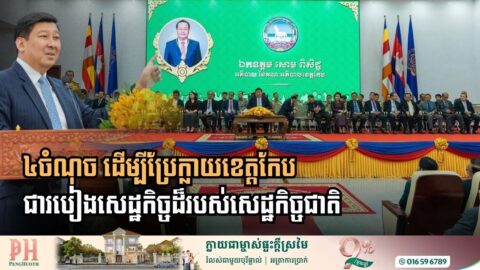
Strengthening Kep’s Foundations: A Strategic Roadmap to a National Economic Corridor
- 8 February 2026
Deputy Prime Minister Say Samal outlines four priority areas to elevate Kep’s status through enhanced security, infrastructure expansion, and human resource development The Royal Government of Cambodia has officially launched a strategic initiative to transform Kep province into a formidable pillar of the national economy. During a high-level review of the 2025 achievements and the […]