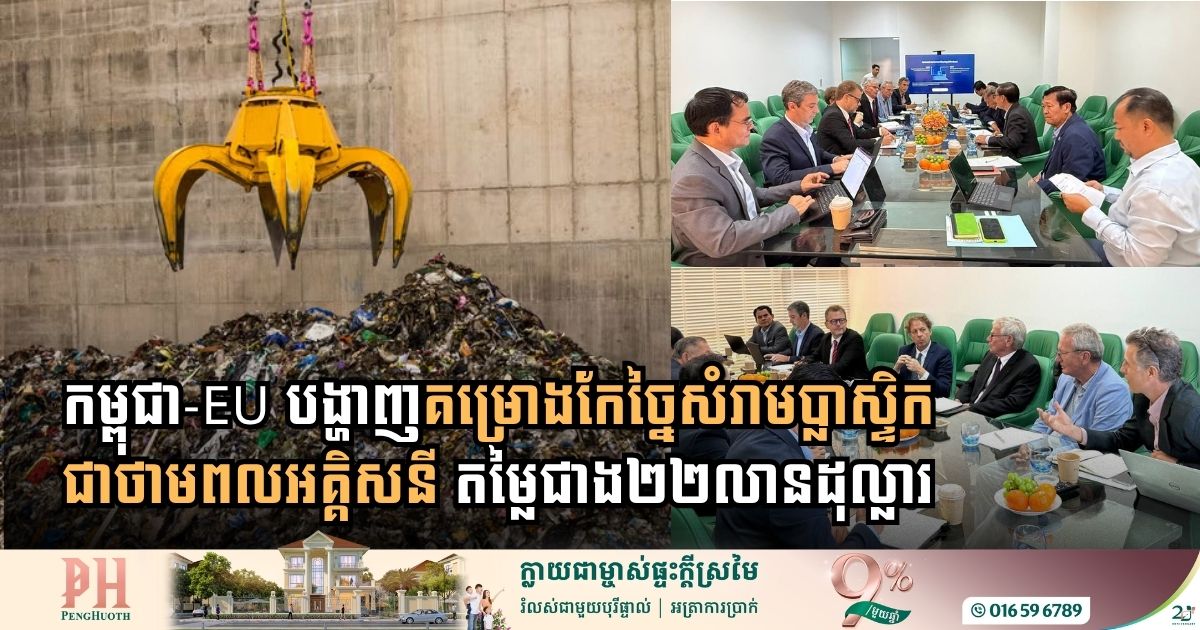
Cambodia and European Union Explore $22 Million Waste to Energy Project in Siem Reap
The proposed recycling plant aims to process up to 35 tons of plastic waste daily while generating electricity and cutting greenhouse gas emissions
The Cambodian Ministry of Environment has partnered with the European Union to conduct a comprehensive feasibility study on a pioneering green energy initiative that seeks to convert plastic waste into electricity in Siem Reap province. The proposed waste-to-energy project represents an estimated investment capital of $22.3 million and marks a significant step forward in the Kingdom’s ongoing efforts to enhance waste management and promote sustainable energy alternatives.
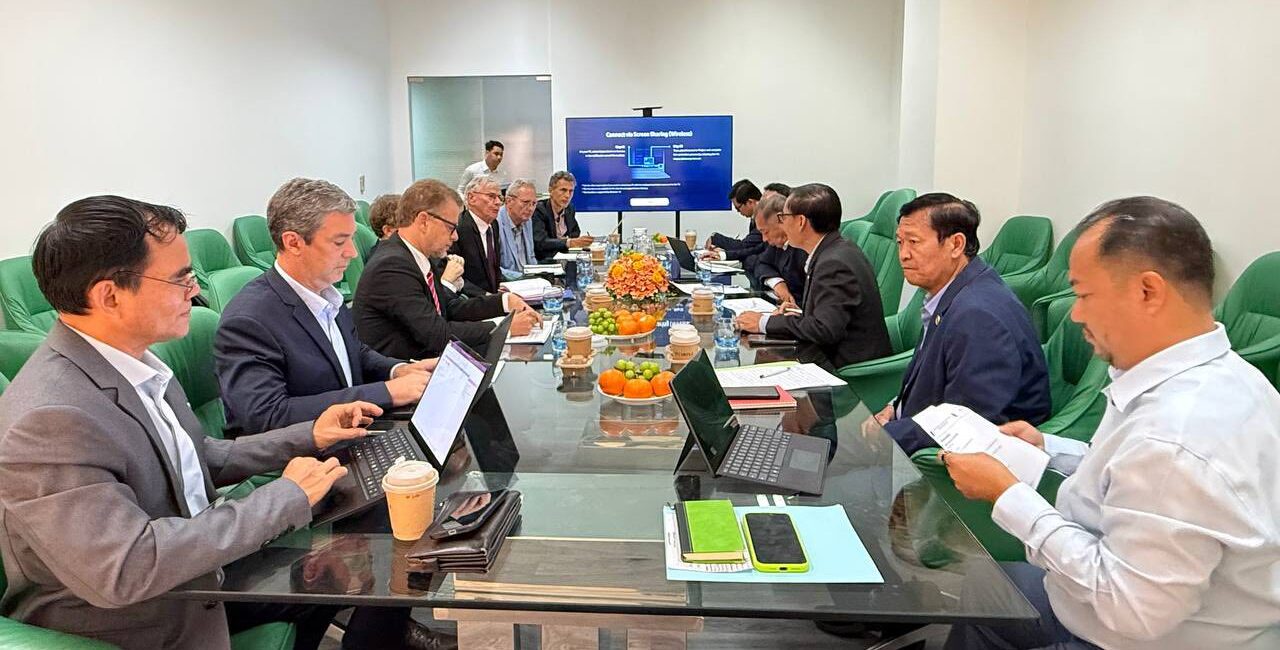
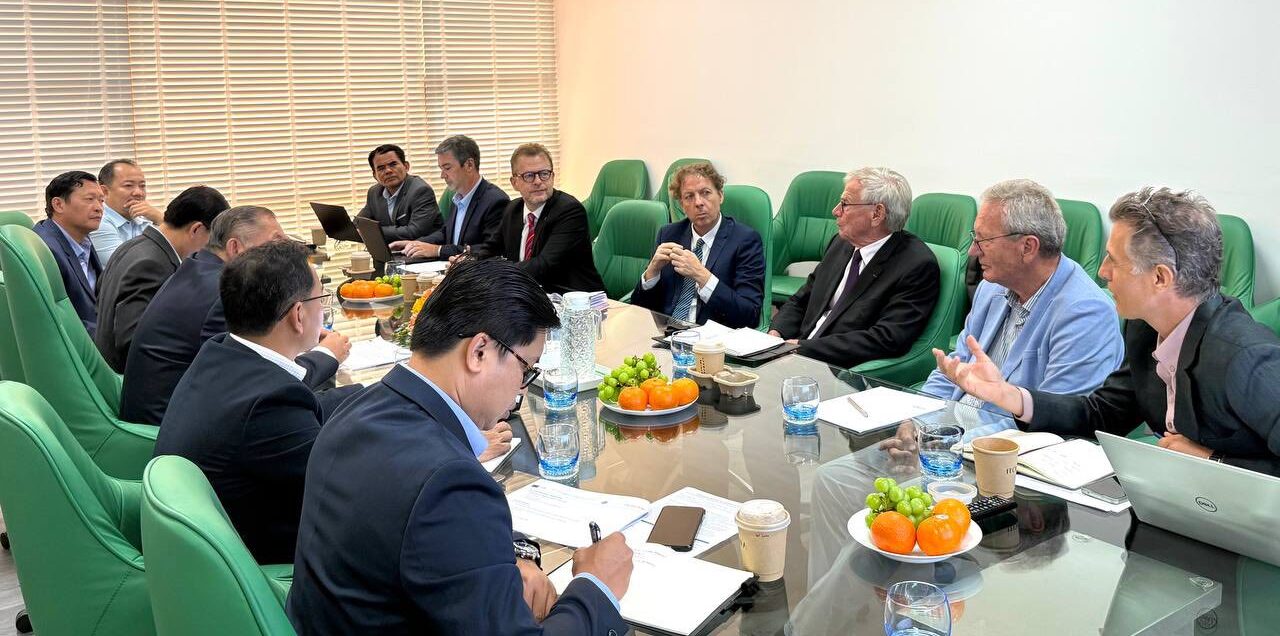
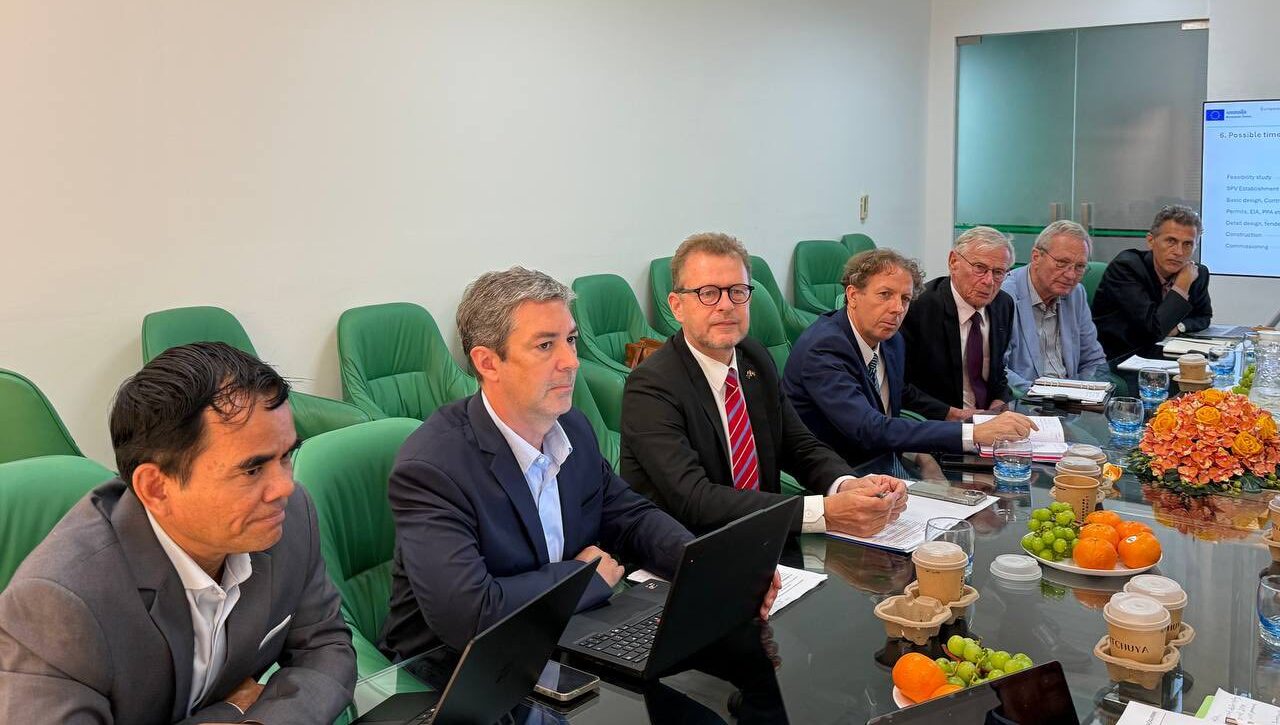
The evaluation of the project’s feasibility took place during a high-level meeting on May 19, 2026, which brought together Ministry of Environment officials and representatives from the European Union. The session was led by HE Sabo Ozano, Secretary of State for the Ministry of Environment, who expressed strong institutional backing for the eco-friendly investment. To ensure a smooth transition from planning to execution, HE Sabo Ozano urged the European Union delegation and the participating investment firms to widely share their preliminary study findings and coordinate closely with other critical state departments. These key institutions include the Council for the Development of Cambodia, the Ministry of Mines and Energy, Electricite du Cambodge, the Department of Environmental Impact Assessment, and the Siem Reap provincial administration.
According to technical briefs released by the Ministry of Environment, the project centers on the construction of an advanced waste sorting and recycling plant utilizing state-of-the-art European technology. Once operational, the facility is projected to sort and process between 22 and 35 tons of waste per day. Through this conversion process, the facility will have the capacity to generate approximately 35 to 75 Megawatt-hours of electricity per day (MWh/d). Beyond contributing clean power to the local grid, the plant is expected to deliver substantial environmental dividends by preventing significant volumes of plastic from entering landfills and reducing regional greenhouse gas emissions by an estimated 25,000 tons per year.
- Video Advertisement -
 English
  ខ្មែរ
ខ្មែរ