Civil infrastructure geoprofessionals are ready to adopt the cloud

The report highlights time-consuming data management practices, with data residing in disparate “‘silos’”

CHRISTCHURCH, NEW ZEALAND, July 19, 2023Seequent, The Bentley Subsurface Company, today announced the findings of its latest Geoprofessionals Data Management Report, which looks at the trends, challenges, and opportunities in geoscience data.

Jo Knight, Chief Customer Officer, Seequent, said, “As civil infrastructure projects become larger, and budgets become tighter, it’s more crucial than ever for organisations to garner greater value from their data. Our aim is for the Geoprofessionals Data Management Report to shine a light on common and emerging challenges amongst the subsurface community so we can collectively address them. It is an initiative Seequent feels passionately about, and one which now spans over 12 years.”

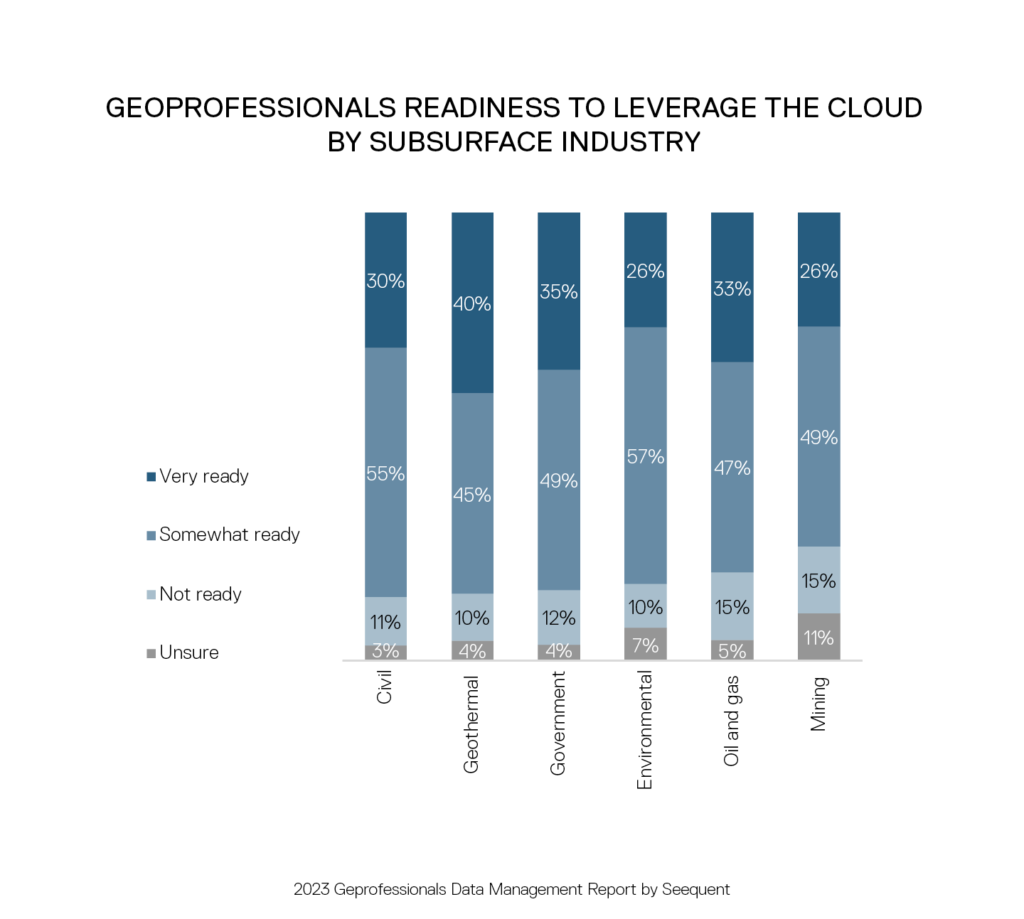
The report revealed that across the civil sector, there is a remarkably high level of readiness to embrace cloud technology, with 85% of respondents indicating they are ready – the highest of all geoprofessional industries surveyed. Despite the positive outlook, the report identified barriers hindering the full potential of cloud adoption. Reliability, lack of skill/capability, and cost were identified as primary obstacles. Additionally, many respondents said that internet access was a significant challenge.

More than 700 geo professionals from sectors that work in the subsurface responded to the survey, including 120 civil engineering professionals. Other respondents included those from the mining, energy, and environment sectors. The report is the only one of its kind.

Other findings for the civil industry included:

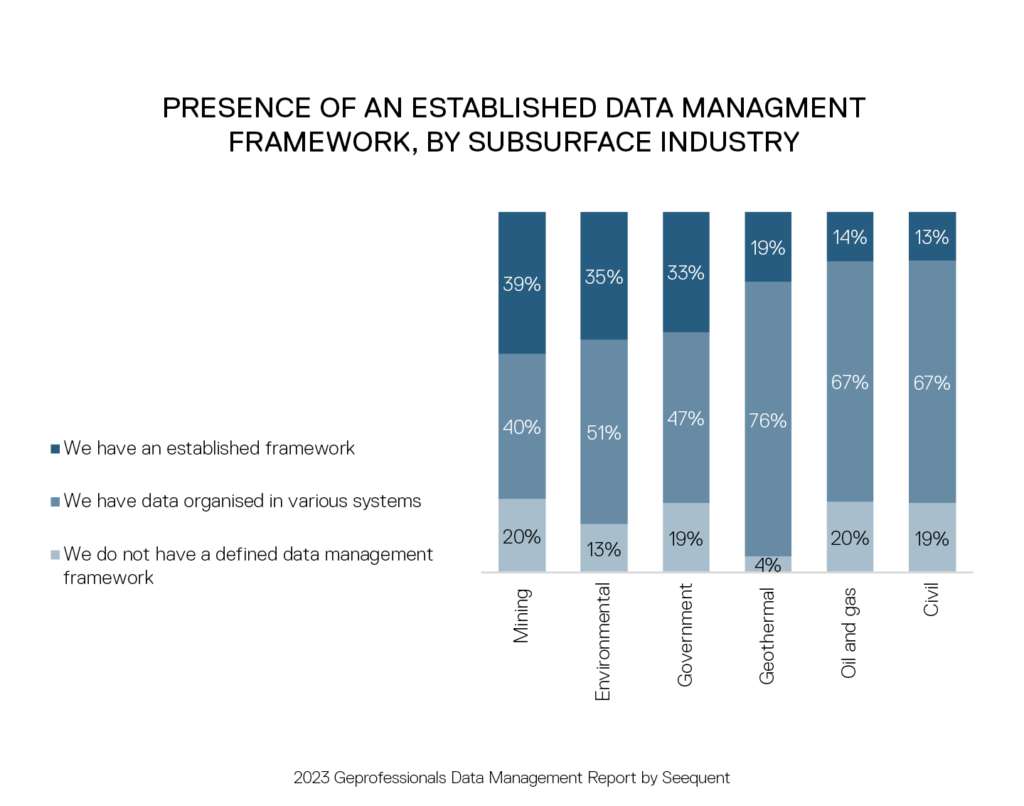
  • A staggering 67% of civil professionals acknowledge that they have data organised in various systems, indicating a lack of centralisation. The report also highlights a substantial amount of time spent on data management, with 24% of respondents devoting more than 30% of their working hours to this.
  • Indeed, data management practices in the civil sector were found to be behind other sectors. Only 13% of respondents reported having an established framework for data management, in stark contrast to the mining sector’s 39%.
  • However, the report also revealed a promising statistic, with 35% of respondents indicating their intention to implement a data management framework within the next 12-18 months.
  • In terms of decision-making, 17% of respondents said they did not have access to necessary data, although this figure was lower when compared to other industries.
  • Regarding technology adoption, 41% of civil professionals considered themselves early adopters of new technologies, suggesting a willingness to embrace innovation.

Pat McLarin, Segment Director, Civil, at Seequent, commented, “The report makes for fascinating reading and casts a sharp light on the deficiencies in data management across the civil sector. It also underscores the importance and urgency of implementing sound data management practices underpinned by digital workflows.

“It is reassuring to see that there is a readiness to adopt innovative technology and a strong appetite for change. Cloud-based solutions have progressed significantly in terms of cost efficiencies and reliability, and we need to do more to present their ease of implementation to the civil sector.”

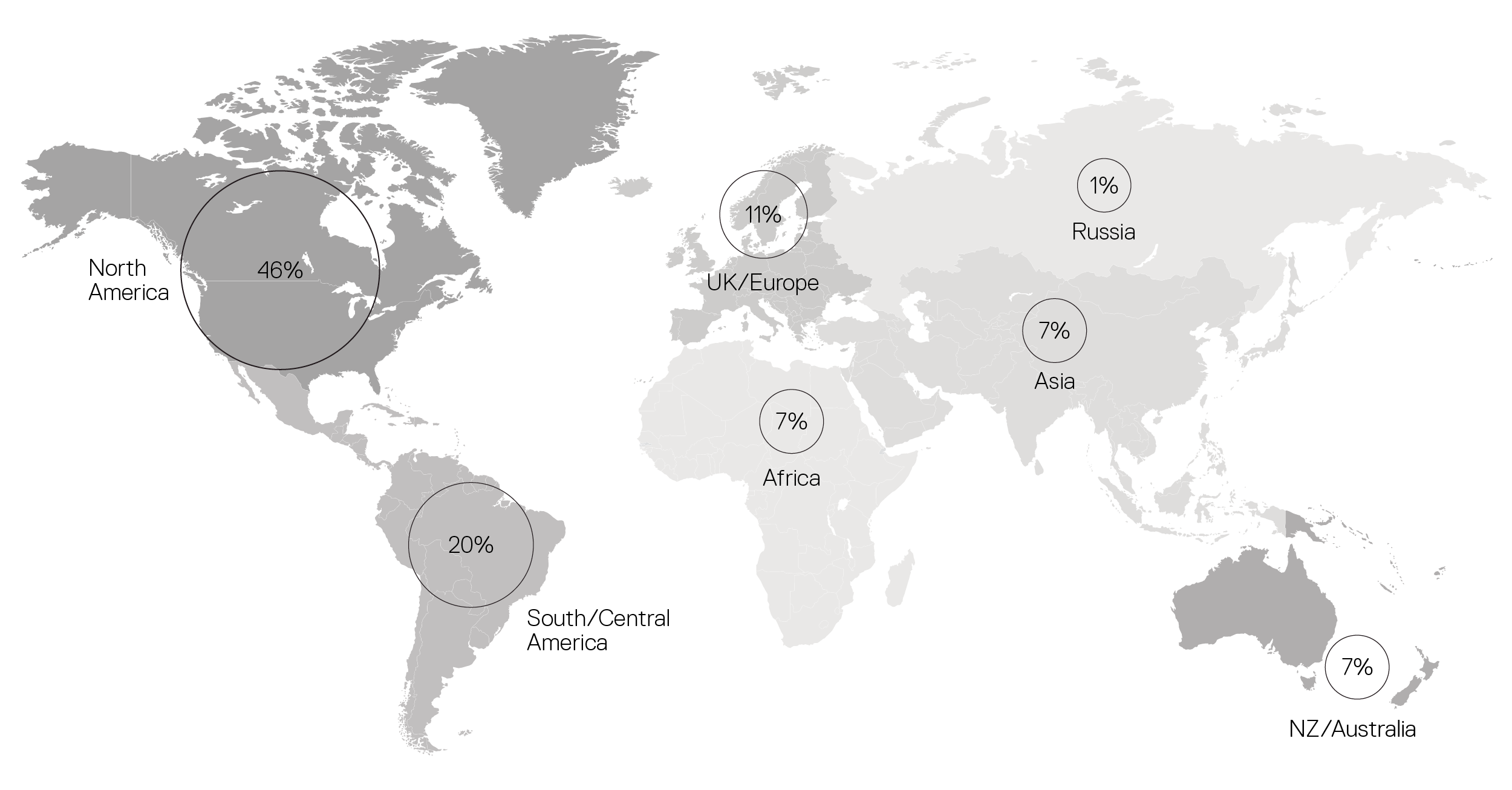
The Geoprofessionals Data Management Report is in its sixth edition. Fieldwork was undertaken in May 2023, with a total of 704 responses. The highest response rate was from the Americas, and the civil industry made up 17% of the respondents overall.

Read Seequent’s Geoprofessionals Data Management Report Sixth Edition

Figure 1: 85% of Civil respondents are ready to leverage the cloud.
Figure 2: Civil industry is least likely to have an established Data Management framework, with only 13% of respondents saying they do. Most have data in various systems.
Figure 3: Geoprofessionals Data Management global participants
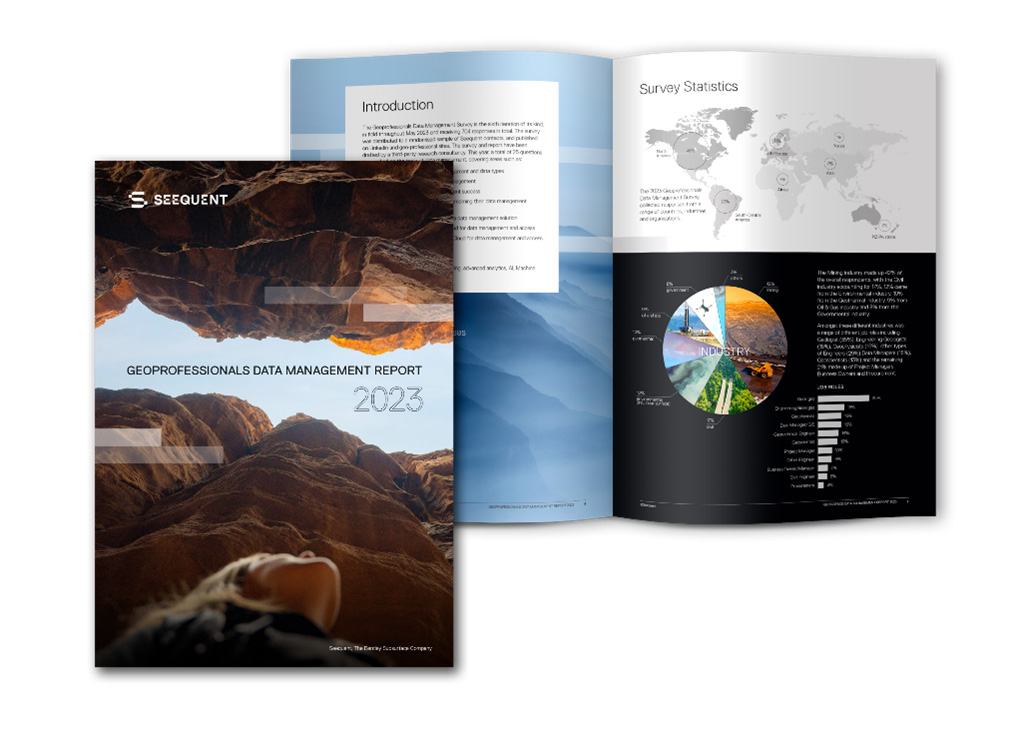
Figure 4: Geoprofessionals Data Management report by Seequent
- Video Advertisement -

Related Post

Digital Safety Nets — How Software is Preventing Workplace Disasters

In the high-stakes world of industrial maintenance, a split-second decision can lead to a catastrophic “arc flash”—an electrical explosion of intense heat and pressure. Today, we look at how manufacturing leaders are turning to advanced modeling software, specifically EasyPower, to transform these life-threatening risks into manageable business data. A routine inspection at a local manufacturing […]

Bentley’s SACS Software Saves Millions for India’s Offshore Energy Sector

The Oil & Natural Gas Corporation (ONGC) has utilized Bentley’s SACS software to digitally assess 18 unmanned wellhead jacket platforms off India’s western coast, aiming at achieving energy independence through modernization. These existing structures required modifications, such as adding clamp-on conductors, to enhance oil production. However, the platforms first had to be tested against much […]

Cambodia and China Partner to Advance Satellite Imagery Technology for Environmental Modernization

Strategic MoU aims to build ecological safety and a green future through enhanced data management and precision monitoring Cambodia and China have committed to a new era of technical cooperation aimed at modernizing the Kingdom’s environmental sector through advanced satellite imagery technology. The partnership was formalized through a Memorandum of Understanding (MoU) signed on March […]

Digital Twins and Drones Slashing Bridge Recovery Times in Kentucky

Emerging technologies are transforming how disaster-stricken areas rebuild, with Kentucky recently demonstrating that “digital twins” and aerial surveillance can reduce infrastructure recovery timelines from months to mere hours. Following devastating floods in 2022, the state leveraged its Bridging Kentucky initiative to bypass traditional, slow-moving survey methods. By deploying drones and 3D laser scanning, engineering teams […]

OpenRail Designer 2025: Redefining Efficiency for Global Rail Infrastructure

Bentley Systems has officially launched OpenRail Designer 2025, a major update designed to eliminate the manual bottlenecks that have long challenged rail engineers. By focusing on advanced automation, data integrity, and high-fidelity geospatial integration, this release transforms how complex rail networks—from routine maintenance to high-speed megaprojects—are designed and managed. As global demand for resilient infrastructure […]

How Portugal Uses Digital Tools to Manage Water Network During Heat Waves

As summer temperatures in northern Portugal consistently climb past 38°C, regional water utility Águas do Norte has successfully pivoted from reactive repairs to proactive management by leveraging Bentley Systems’ OpenFlows Water solution. Serving nearly 2 million residents across 63 municipalities, the utility faced recurring crises where extreme heat caused water tanks to hit critical lows, […]