Europe’s Aging Power Grid Faces Digital “Makeover” to Meet 2030 Climate Goals

With many distribution grids expected to exceed their 40-year lifespan by 2030, EU policymakers and industry leaders are pivoting toward a “digital-first” strategy to prevent the system from buckling under the pressure of the green transition.

The EU electricity infrastructure currently spans over a million kilometers, serving 600 million customers. To meet climate targets, the grid must reach a capacity of 136 gigawatts by 2030.

However, the physical assets are aging. According to industry body Eurelectric, a significant portion of the grid is approaching the end of its functional life. These physical limitations are compounded by administrative hurdles; currently, permitting for new infrastructure projects can take up to a decade, a timeline experts say is incompatible with urgent decarbonization goals.

In response, European institutions have launched a wave of policy initiatives designed to slash red tape and inject intelligence into the wires. The team also turned to digital move by leveraging Bentley Systems tools such as Digital Twin.

Unlike simple automation, which monitors power flow, digital twins provide a virtual model of the grid’s physical integrity. By using digital twin software, engineers can simulate stress tests, predict maintenance needs, and share data across borders in real-time.

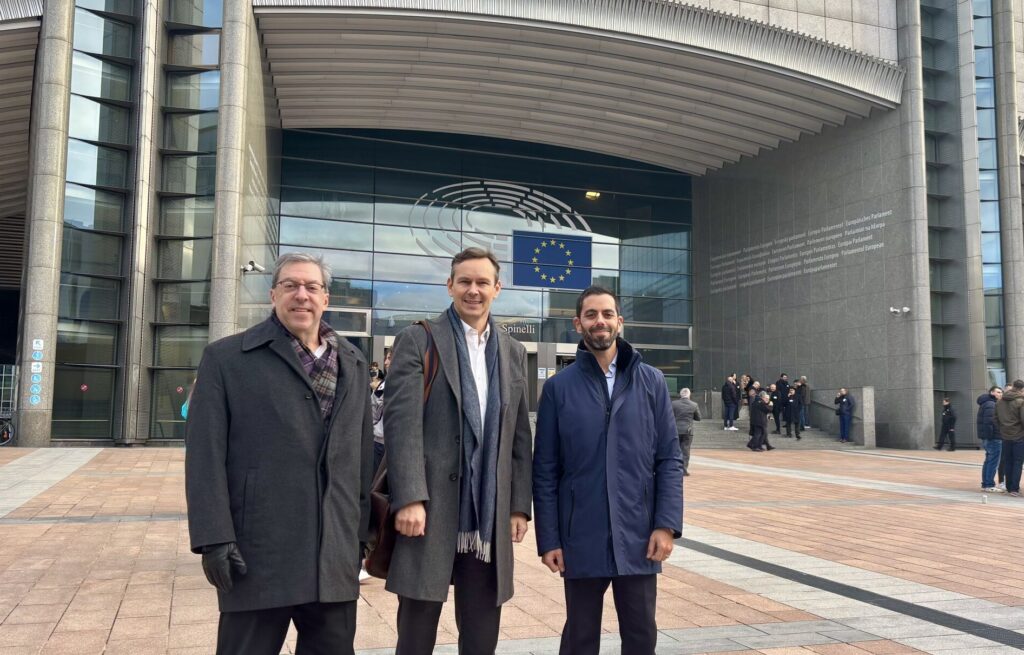
David Shaman, Chief Legal Officer (left), Nicholas Cumins, Chief Executive Officer (middle), and Bernardo Matos, Senior Director of EU Government Relations (right) at European Parliament roundtable in Dec 2025.
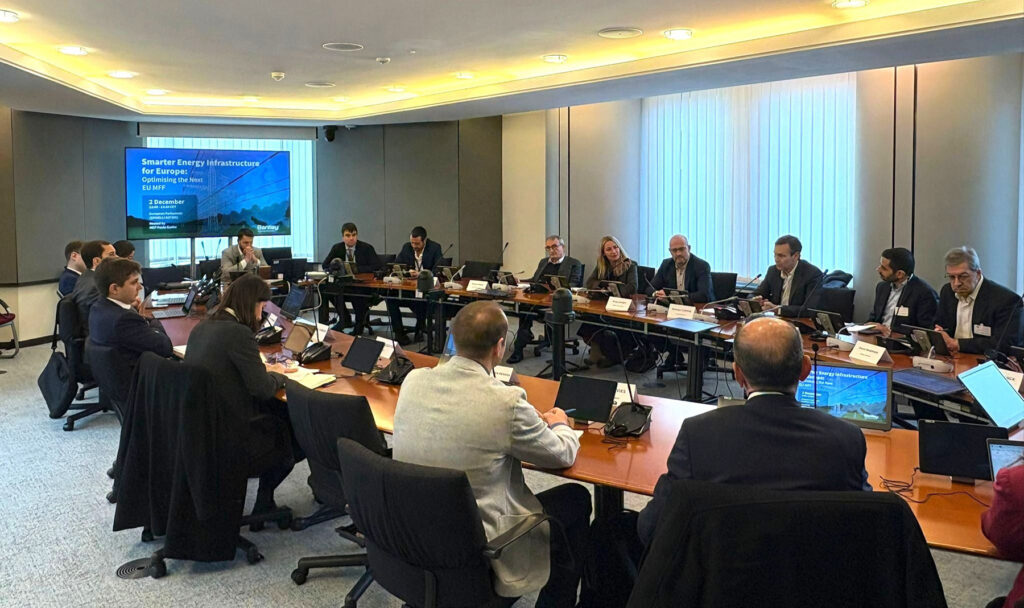
Bentley and fellow industry leaders attend a roundtable at the European Parliament in December 2025.

At a recent European Parliament roundtable, Bentley CEO Nicholas Cumins emphasized that digital tools are no longer optional. He argued that modernizing inspection and maintenance workflows through digitalization is the only way to boost engineer productivity enough to meet the 2030 goals.

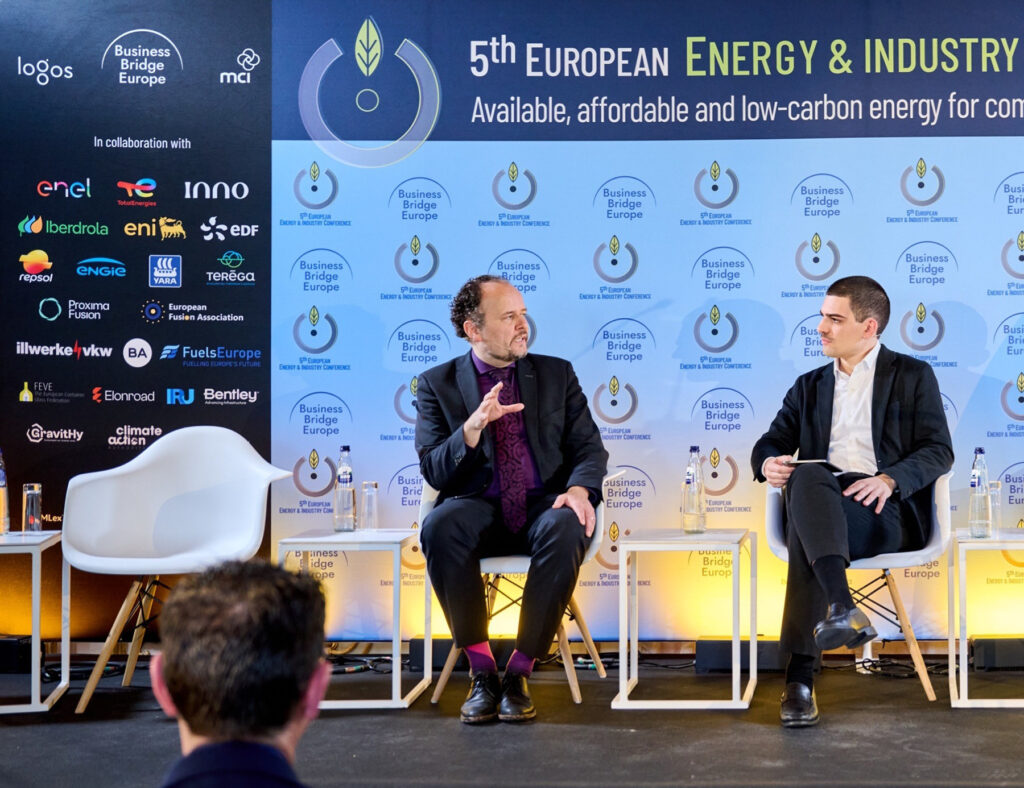
Mark Van Stiphout from the European Commission and Valentino Grassi at the annual European Energy and Industry Conference in November 2025.

The consensus among Brussels stakeholders is that the transition cannot be solved by technology alone. It requires “cross-sector collaboration” between government bodies and private innovators.

As the EU moves toward 2026, the focus is shifting from high-level policy to practical implementation—integrating data centers into the grid and leveraging AI to ensure that as Europe plugs in more wind and solar power, the lights stay on for its 600 million citizens.

Explore how Bentley’s energy software and digital twin solutions accelerate the transition to a low-carbon, modern energy infrastructure.

- Video Advertisement -

Related Post

New Orleans Faces Rising Seas; Engineers Turn To Bentley Digital Tech To Fortify Defenses

US engineers are leveraging Bentley Systems’ advanced technology to secure that the city will not sink into the water, transforming Louisiana into a potential global model for climate adaptation. A new Tulane University study has recently warned that rising sea levels could eventually push the Gulf of Mexico shoreline 62 miles inland, placing New Orleans […]

How Bentley Digital Twins is Reshaping Maritime Inspections

Major engineering firm Haskoning has revolutionized maritime infrastructure inspection by successfully completing a digital-first assessment of the Holyhead Deepwater Jetty in North Wales using Bentley Systems software. A critical asset supporting cruise vessels and contributing over GBP 4.75 million annually to the regional economy, the aging jetty required a comprehensive inspection of its 400 piles […]

Big Data and Bentley Systems Software Transform Traffic Planning for Growing Communities

Sherburne County, a rapidly expanding suburban area in Minnesota, has successfully streamlined its traffic modeling process by leveraging advanced software from Bentley Systems. To address increasing congestion and commuter pressure, consulting firm SRF implemented a mesoscopic modeling approach using Bentley OpenPaths Patterns and Bentley OpenPaths DYNAMEQ. This digital solution allows planners to move beyond the […]

Bentley Systems Bridges the Gap in Water Management with Digital Twin Technology

ការគ្រប់គ្រងប្រព័ន្ធទឹកបែបថ្មីដោយប្រើបច្ចេកវិទ្យា Digital Twin! សន្សំបានរាប់លានដុល្លារ! ក្រុមហ៊ុនបង្កើតកម្មវិធីសំណង់ឌីជីថលលំដាប់ពិភពលោក Bentley Systems ថ្មីៗបានបង្ហាញនូវបច្ចេកវិទ្យាថ្មីមួយដើម្បីជួយឱ្យការគ្រប់គ្រងហេដ្ឋារចនាសម្ព័ន្ធប្រព័ន្ធផ្គត់ផ្គងទឹក កាន់តែមានប្រសិទ្ធភាព និងពិសេសអាចសន្សំថវិកាបានរាប់លានដុល្លារ​ តាមរយៈការប្ដូរពីគំរូធារាសាស្ត្រ (Hydraulic Modeling) បែបធម្មតាទៅជាបច្ចេកវិទ្យា “Digital Twin” បែបរស់រវើក។ កម្មវិធី OpenFlows របស់ Bentley បច្ចុប្បន្ននេះគឺអាចភ្ជាប់ប្លង់មេបែប 2D ធម្មតាៗ ទៅនឹងទិន្នន័យថ្មី ហើយបង្កើតជាប្រព័ន្ធគ្រប់គ្រងប្រតិបត្តិការបែបជាក់ស្តែងពិតៗ ឬ Real-time ដែលជួយឱ្យស្ថាប័នផ្គត់ផ្គង់ទឹកអាចមើលឃើញពីតថភាពជាក់ស្តែងនៃប្រព័ន្ធទឹកទាំងមូល ពិសេសសម្រាប់ការពិនិត្យរកកំហូច។ អត្ថប្រយោជន៍នៃការផ្លាស់ប្តូរនេះ កំពុងជួយស្ថាប័នគ្រប់គ្រងទឹកទូទាំងសកលលោក។ តាមរយៈការប្រើប្រាស់កម្មវិធីនេះ ក្រុមហ៊ុនវិស្វកម្មនៅក្នុងប្រទេសឥណ្ឌា និងប្រេស៊ីល បានរាយការណ៍ថា ពួកគេអាចកាត់បន្ថយពេលវេលារចនាម៉ូដបានរហូតដល់ ៨០% និងសន្សំសំចៃថវិការាប់លានដុល្លារលើថ្លៃដើមហេដ្ឋារចនាសម្ព័ន្ធ។ លើសពីការសាងសង់ បច្ចេកវិទ្យានេះក៏ជួយឱ្យអ្នកប្រតិបត្តិការអាចបង្កើនប្រសិទ្ធភាពកាលវិភាគម៉ាស៊ីនបូមទឹក កាត់បន្ថយការប្រើប្រាស់ថាមពល និងឆ្លើយតបបានកាន់តែរហ័សចំពោះបញ្ហាការបែកបំពង់ទឹក។ តាមរយៈការបញ្ចូលទិន្នន័យ SCADA ជាក់ស្តែង ស្ថាប័នដូចជា DC Water បច្ចុប្បន្នអាចធ្វើការសម្រេចចិត្តបានត្រឹមត្រូវ និងភ្លាមៗ ដើម្បីធានាបាននូវគុណភាពទឹក និងភាពធន់នៃប្រព័ន្ធសម្រាប់ប្រជាជនរាប់លាននាក់។ នាពេលអនាគត Bentley […]

Berlin Takes Center Stage for the Future of Tech and Infrastructure

From April 28–30, Berlin will host Illuminate 2026, a major international conference hosted by Bentley Systems. The event brings together hundreds of engineers, tech leaders, and government officials at the Hotel Adlon Kempinski to discuss how artificial intelligence (AI) and “digital twins”—virtual 3D models of real-world objects—are changing the way we build our world. The […]

Building the Future: Iowa’s “Digital Twin” Saves Millions on Mississippi Bridge

The Iowa Department of Transportation is rewriting the blueprint for modern infrastructure by building the new Black Hawk Bridge twice: first in a hyper-detailed digital world, and then in steel. By using a “digital twin”—a complete 3D cloud-based model—engineers have already shaved six weeks off the construction schedule and saved an estimated US$3.2 million. The […]