Beyond the Textbook: 3D Tech Turns History into a Livable, Explorable World

A revolution in historical preservation is unfolding at the University of Tokyo, where Professor Hidenori Watanabe is using advanced 3D geospatial technology to transform history from a static textbook narrative into a live, explorable world.

For two decades, Prof. Watanave has been creating interactive, map-based archives that allow users to virtually step into pivotal historical moments, including the devastating aftermath of the 1945 atomic bombings.

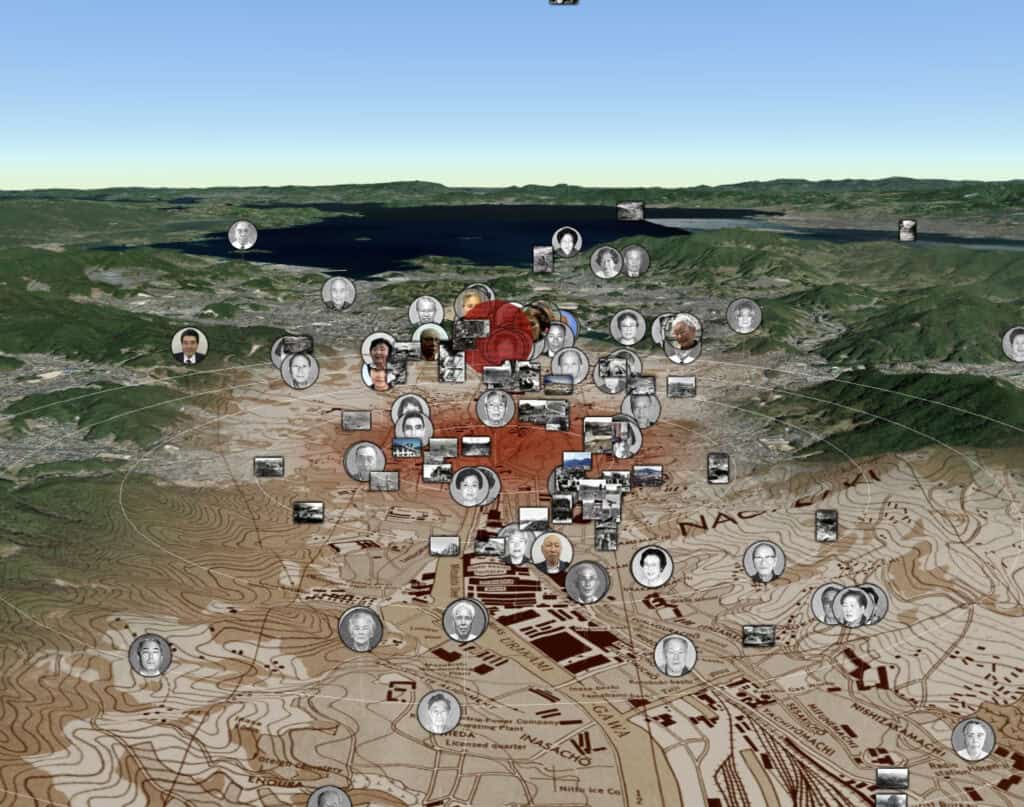
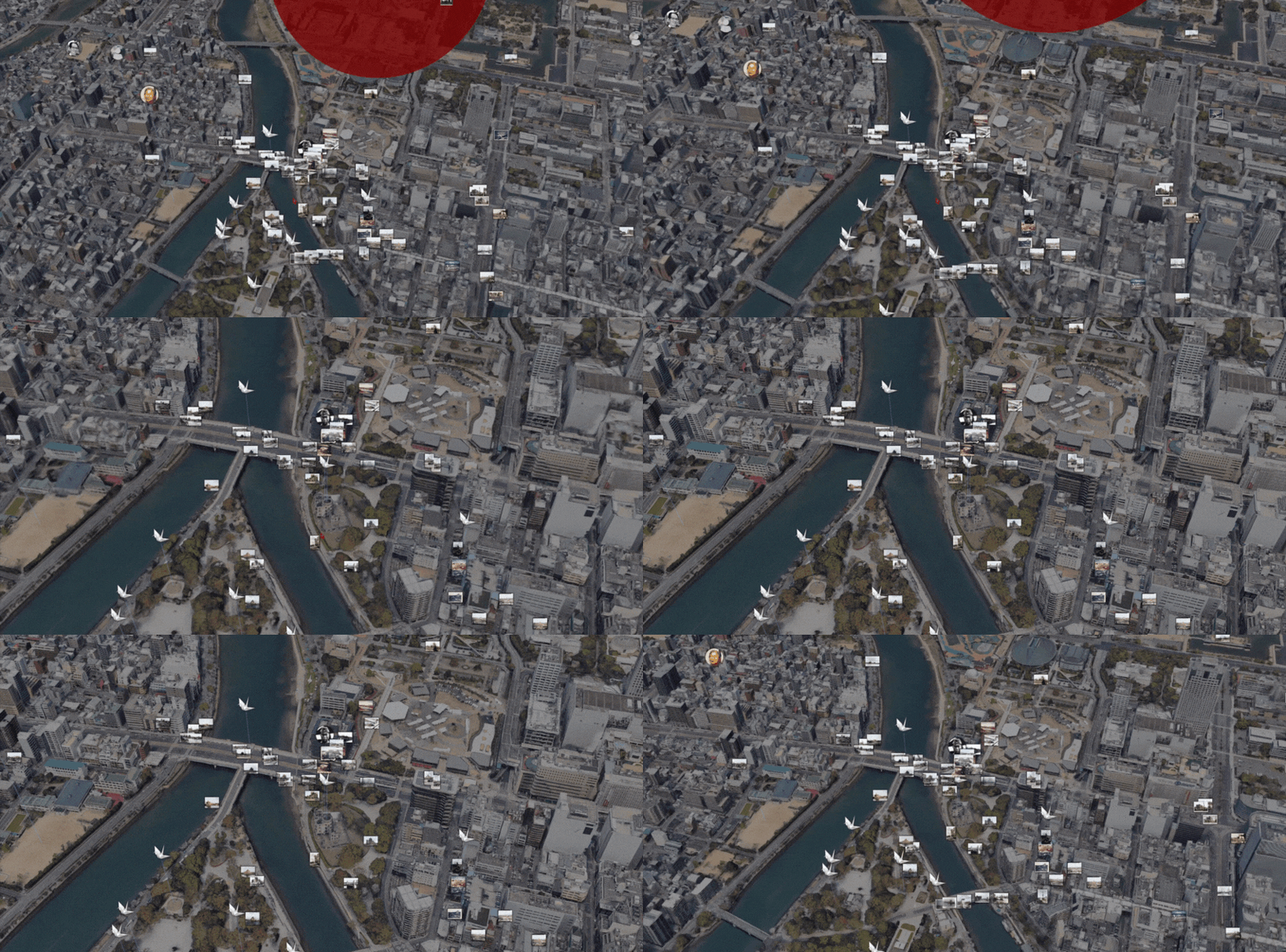
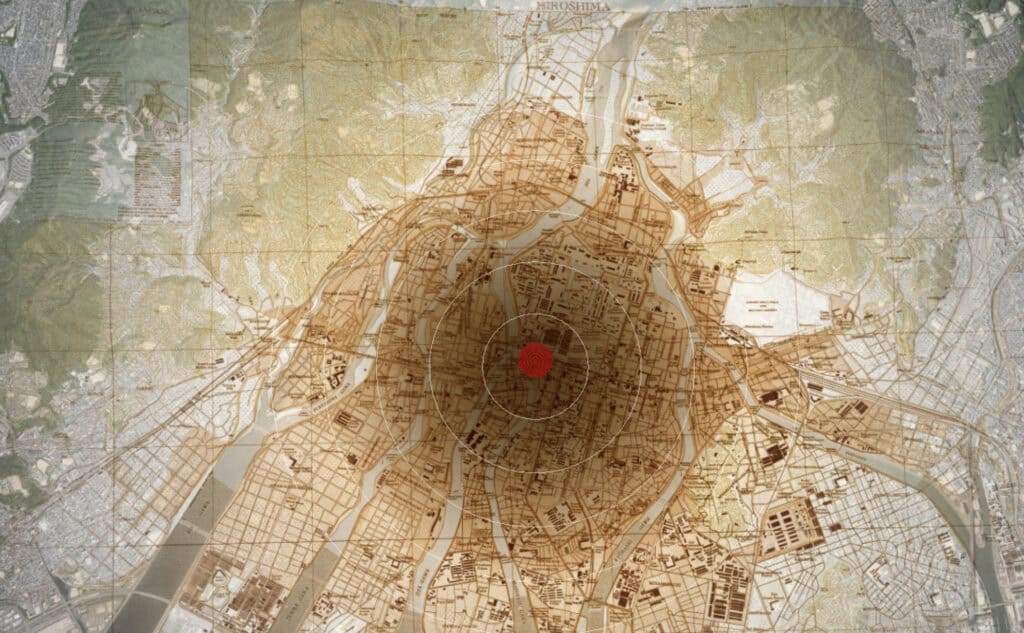
The most remarkable work of Prof. Watanabe is the Hiroshima and Nagasaki archives, which combine survivor testimony, archival photos, and 3D city reconstructions. Using the open-source platform called Cesium (recently acquired by Bentley Systems), he has created a system where users can navigate the city street by street, toggling between past and present. They can click on a precise location and hear the voice of a survivor, connecting abstract historical events to real places and personal memories.

His projects are powered by Cesium’s 3D Tiles format, which allows massive datasets of entire cities to be streamed quickly to any standard web browser, making the archives accessible globally and in real-time.

“Memory fades,” Watanave says. “But if we connect the past to the present through technology, people can truly experience history.”

The youngest survivors are now in their late 70s, making the digital preservation of their voices a race against time, he added.

Watanave believes that to engage younger generations, history must be presented in the media they use. “Young people today don’t watch long films or read long texts,” he notes. “But they play Minecraft, they explore in VR. If we want them to carry these memories forward, we have to use the media of their time.”

Watanave’s methodology extends far beyond World War II. During the Russian invasion of Ukraine, his team mapped bombed schools and destroyed housing blocks. They have also applied the technology to natural disasters like earthquakes in Turkey and floods in Japan, as well as the ongoing conflict in Gaza.

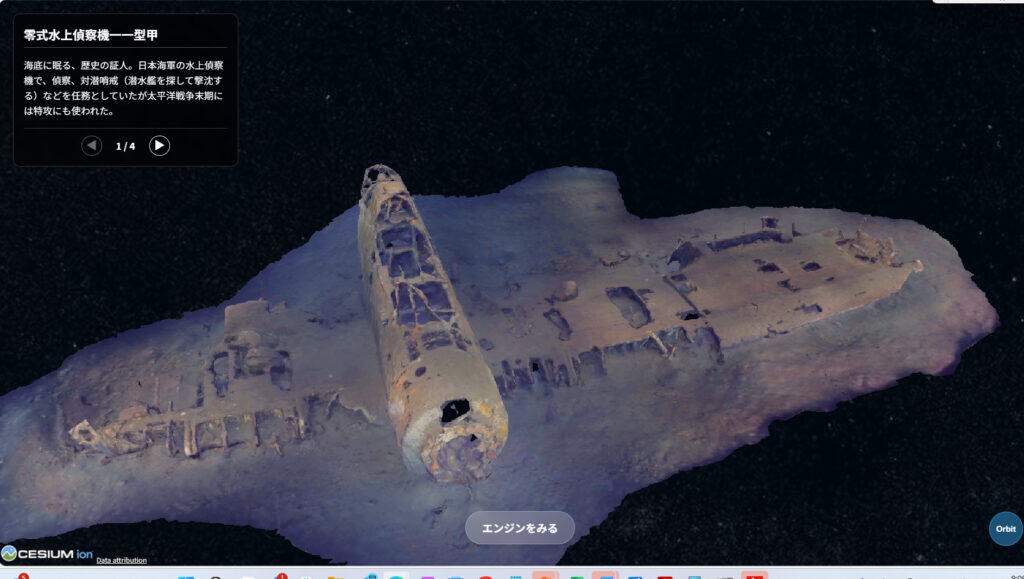
A recent project, to be featured at the United Nations Pavilion at Expo 2025 in Osaka, is a digital reconstruction of a Japanese Navy Type Zero Reconnaissance Seaplane found submerged on the seafloor. Viewers can descend beneath the waves in a browser, gliding around the corroding fuselage—a globally accessible exhibit without walls.

Looking ahead, Watanave plans to connect all these disparate archives into a Global Memory Map on a single Cesium globe, allowing visitors to see how humanity responds to catastrophe across different times and places.

“We can democratize memory,” he asserts. “Anyone, anywhere, should be able to contribute and to learn.”

- Video Advertisement -

Related Post

New Orleans Faces Rising Seas; Engineers Turn To Bentley Digital Tech To Fortify Defenses

US engineers are leveraging Bentley Systems’ advanced technology to secure that the city will not sink into the water, transforming Louisiana into a potential global model for climate adaptation. A new Tulane University study has recently warned that rising sea levels could eventually push the Gulf of Mexico shoreline 62 miles inland, placing New Orleans […]

How Bentley Digital Twins is Reshaping Maritime Inspections

Major engineering firm Haskoning has revolutionized maritime infrastructure inspection by successfully completing a digital-first assessment of the Holyhead Deepwater Jetty in North Wales using Bentley Systems software. A critical asset supporting cruise vessels and contributing over GBP 4.75 million annually to the regional economy, the aging jetty required a comprehensive inspection of its 400 piles […]

Big Data and Bentley Systems Software Transform Traffic Planning for Growing Communities

Sherburne County, a rapidly expanding suburban area in Minnesota, has successfully streamlined its traffic modeling process by leveraging advanced software from Bentley Systems. To address increasing congestion and commuter pressure, consulting firm SRF implemented a mesoscopic modeling approach using Bentley OpenPaths Patterns and Bentley OpenPaths DYNAMEQ. This digital solution allows planners to move beyond the […]

Bentley Systems Bridges the Gap in Water Management with Digital Twin Technology

ការគ្រប់គ្រងប្រព័ន្ធទឹកបែបថ្មីដោយប្រើបច្ចេកវិទ្យា Digital Twin! សន្សំបានរាប់លានដុល្លារ! ក្រុមហ៊ុនបង្កើតកម្មវិធីសំណង់ឌីជីថលលំដាប់ពិភពលោក Bentley Systems ថ្មីៗបានបង្ហាញនូវបច្ចេកវិទ្យាថ្មីមួយដើម្បីជួយឱ្យការគ្រប់គ្រងហេដ្ឋារចនាសម្ព័ន្ធប្រព័ន្ធផ្គត់ផ្គងទឹក កាន់តែមានប្រសិទ្ធភាព និងពិសេសអាចសន្សំថវិកាបានរាប់លានដុល្លារ​ តាមរយៈការប្ដូរពីគំរូធារាសាស្ត្រ (Hydraulic Modeling) បែបធម្មតាទៅជាបច្ចេកវិទ្យា “Digital Twin” បែបរស់រវើក។ កម្មវិធី OpenFlows របស់ Bentley បច្ចុប្បន្ននេះគឺអាចភ្ជាប់ប្លង់មេបែប 2D ធម្មតាៗ ទៅនឹងទិន្នន័យថ្មី ហើយបង្កើតជាប្រព័ន្ធគ្រប់គ្រងប្រតិបត្តិការបែបជាក់ស្តែងពិតៗ ឬ Real-time ដែលជួយឱ្យស្ថាប័នផ្គត់ផ្គង់ទឹកអាចមើលឃើញពីតថភាពជាក់ស្តែងនៃប្រព័ន្ធទឹកទាំងមូល ពិសេសសម្រាប់ការពិនិត្យរកកំហូច។ អត្ថប្រយោជន៍នៃការផ្លាស់ប្តូរនេះ កំពុងជួយស្ថាប័នគ្រប់គ្រងទឹកទូទាំងសកលលោក។ តាមរយៈការប្រើប្រាស់កម្មវិធីនេះ ក្រុមហ៊ុនវិស្វកម្មនៅក្នុងប្រទេសឥណ្ឌា និងប្រេស៊ីល បានរាយការណ៍ថា ពួកគេអាចកាត់បន្ថយពេលវេលារចនាម៉ូដបានរហូតដល់ ៨០% និងសន្សំសំចៃថវិការាប់លានដុល្លារលើថ្លៃដើមហេដ្ឋារចនាសម្ព័ន្ធ។ លើសពីការសាងសង់ បច្ចេកវិទ្យានេះក៏ជួយឱ្យអ្នកប្រតិបត្តិការអាចបង្កើនប្រសិទ្ធភាពកាលវិភាគម៉ាស៊ីនបូមទឹក កាត់បន្ថយការប្រើប្រាស់ថាមពល និងឆ្លើយតបបានកាន់តែរហ័សចំពោះបញ្ហាការបែកបំពង់ទឹក។ តាមរយៈការបញ្ចូលទិន្នន័យ SCADA ជាក់ស្តែង ស្ថាប័នដូចជា DC Water បច្ចុប្បន្នអាចធ្វើការសម្រេចចិត្តបានត្រឹមត្រូវ និងភ្លាមៗ ដើម្បីធានាបាននូវគុណភាពទឹក និងភាពធន់នៃប្រព័ន្ធសម្រាប់ប្រជាជនរាប់លាននាក់។ នាពេលអនាគត Bentley […]

Berlin Takes Center Stage for the Future of Tech and Infrastructure

From April 28–30, Berlin will host Illuminate 2026, a major international conference hosted by Bentley Systems. The event brings together hundreds of engineers, tech leaders, and government officials at the Hotel Adlon Kempinski to discuss how artificial intelligence (AI) and “digital twins”—virtual 3D models of real-world objects—are changing the way we build our world. The […]

Building the Future: Iowa’s “Digital Twin” Saves Millions on Mississippi Bridge

The Iowa Department of Transportation is rewriting the blueprint for modern infrastructure by building the new Black Hawk Bridge twice: first in a hyper-detailed digital world, and then in steel. By using a “digital twin”—a complete 3D cloud-based model—engineers have already shaved six weeks off the construction schedule and saved an estimated US$3.2 million. The […]