 English
  ខ្មែរ
ខ្មែរ 


Freeland Municipal Authority Uses Digital Twins to Reduce Water Loss
- 19 September 2026

Freeland Municipal Authority (FMA) in Pennsylvania is using a digital twin to improve leak detection, reduce nonrevenue water, and strengthen the long-term resilience of its water system. Serving about 3,900 people, FMA had struggled to identify leaks and track water losses efficiently. The utility often relied on outside companies for leak detection, making the process […]

Viscan Transforms B29 Highway Project With Digital Twin Technology
- 12 September 2026
Viscan GmbH has transformed its reality capture workflow for the B29 highway expansion in Baden-Württemberg, turning an initially unreliable digital process into a high-performance digital twin system for one of Germany’s first fully digital construction sites. The B29 project includes nine new structures, bridges, and retaining walls. Viscan’s role was to provide construction teams and […]
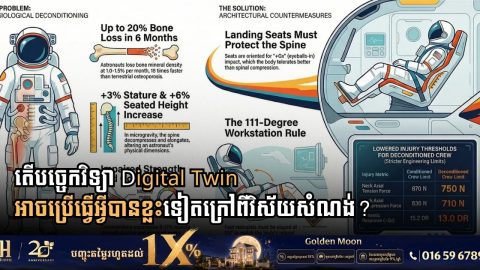
LSU Students Showcase Innovative Digital Twin Applications Beyond Infrastructure
- 5 September 2026
A new generation of researchers at Louisiana State University (LSU) is expanding the potential of digital twin technology, demonstrating how virtual models can transform fields ranging from cultural preservation and space exploration to healthcare and urban planning. Presented during the Digital Twin Symposium hosted by DigiTwin Global and sponsored by Bentley Systems, four student-led projects […]

Bentley iTwin Engage Helps Infrastructure Teams Make Faster, More Confident Project Decisions
- 27 August 2026
Bentley Systems is helping infrastructure organizations improve decision-making with iTwin Engage, a visualization platform that transforms connected digital twin data into immersive, real-time project experiences. By bringing together BIM models, reality data, engineering designs, and 4D construction schedules into a single live digital twin, the software gives teams a clearer understanding of complex projects. Instead […]
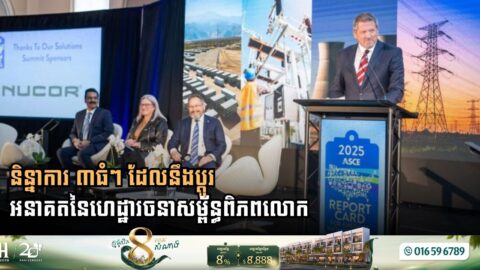
3 Things That Will Change the Future of Infrastructure
- 12 August 2026
Bentley Systems has revealed that AI, digital twins, and data-driven technologies are transforming how infrastructure is planned, built, and maintained as governments face growing climate challenges and aging assets. The company highlights how its digital twin, AI, collaborative modeling, and subsurface modeling technologies allow engineers to test designs, improve collaboration, monitor infrastructure in real time, […]
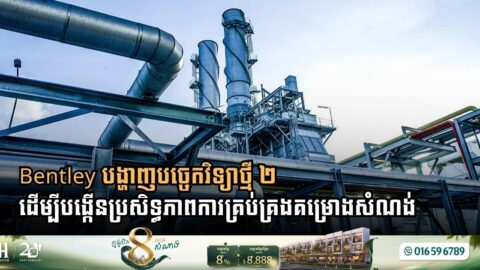
Bentley Systems Highlights AI and Digital Tools for Smarter Asset Performance
- 6 August 2026
Bentley Systems is showcasing how artificial intelligence (AI) and digital technologies are transforming asset management, enabling organizations to predict equipment failures, reduce downtime, and improve the performance and reliability of critical infrastructure and industrial assets. The company’s software enables maintenance, inspection, and operational data to be captured digitally and combined into a single platform, giving […]