 English
  ខ្មែរ
ខ្មែរ 

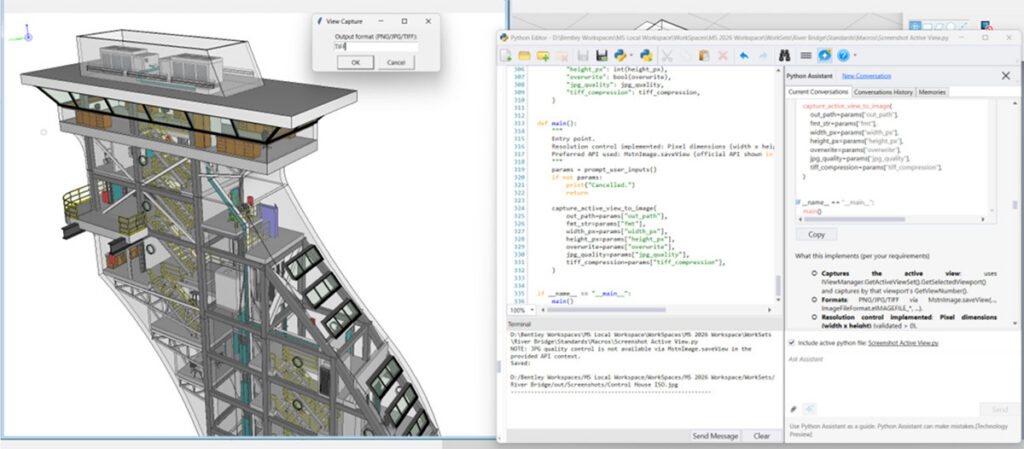
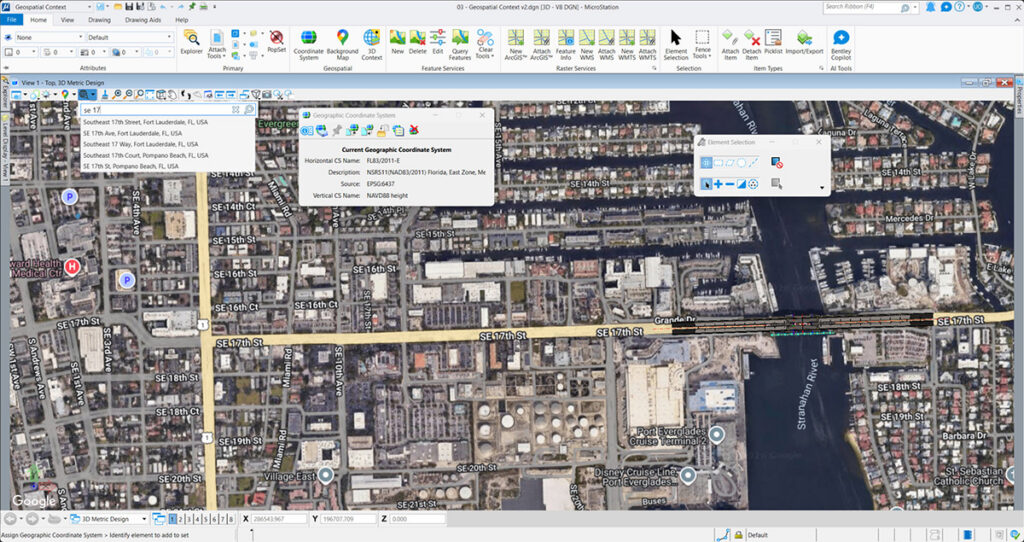


Can AI Help Solve the World’s Engineering Shortage?
- 10 October 2026

The infrastructure industry is facing a growing shortage of engineers even as demand for bridges, roads, power networks, and other projects continues to rise. Bentley Systems is turning to artificial intelligence to help engineers work faster while keeping human expertise at the center of critical decisions. Bentley’s approach combines AI’s ability to understand language, reason […]

Cambodia Joins Global Leaders at 4th UNESCO AI Ethics Forum in Riyadh to Promote Inclusive and Responsible AI Governance
- 6 October 2026
CADT President Seng Sopheap highlights Cambodia’s AI ecosystem, human capital development, and ethical frameworks before 1,200 international delegates in Saudi Arabia Riyadh: Establishing global governance frameworks and ethical benchmarks for artificial intelligence (AI) has become a top international priority to ensure that rapid technological advancements serve human-centric and equitable development. From September 14 to 17, […]
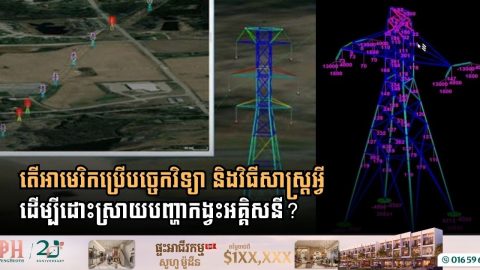
Bentley’s Power Line Systems Positioned to Help Address U.S. Electricity Shortage
- 4 October 2026
The United States is facing a growing electricity shortage as demand from artificial intelligence data centers and broader electrification puts increasing pressure on the nation’s aging power grid. Bentley Systems estimates that the country could need an additional 35 gigawatts of capacity by 2030 to support AI data centers alone. At the center of efforts […]

Viscan Transforms B29 Highway Project With Digital Twin Technology
- 12 September 2026
Viscan GmbH has transformed its reality capture workflow for the B29 highway expansion in Baden-Württemberg, turning an initially unreliable digital process into a high-performance digital twin system for one of Germany’s first fully digital construction sites. The B29 project includes nine new structures, bridges, and retaining walls. Viscan’s role was to provide construction teams and […]

AI Could Predict Infrastructure Failures Weeks in Advance
- 11 September 2026
AI-powered analytics are helping infrastructure engineers move from reacting to failures toward predicting problems before they become emergencies, according to Vahid Abdollahi, an Applied AI Scientist at Bentley Systems. Traditional monitoring often alerts operators only after a measurement crosses a fixed threshold. AI, however, can analyze data from multiple sensors to identify unusual patterns and […]

London Creates Showcases AI and Ancient Design as the Future of Architecture
- 4 September 2026
Architecture, engineering, and artificial intelligence converged at this year’s London Creates festival, where industry leaders, researchers, and students explored how centuries-old ideas are inspiring the next generation of sustainable design. One of the festival’s highlights was a presentation by Philippe Block, co-founder of Swiss startup Vaulted, who demonstrated how Gothic cathedral vaults have inspired an […]