Fire Hose Reels, Fire Hydrants and Sprinkler Systems Explained

By Paul Hurford, Managing Director, AZISAFE

Wet fire systems are a serious consideration in the design of any new project, and they can be an expensive addition. However, retrofitting them after a building is completed is an extremely difficult and more expensive task. Ensuring you select the best system for your project needs to be more than simply following the building standard or code you have chosen to use for your project.

It is also essential to remember that whatever option is selected, it will require an independent reserve supply of water and fire pump; mains supplies are not a reliable source of water in the event of a fire.

Fire Hose Reels systems are designed as an easy-to-operate, first intervention tool for building residents to use in the early stages of a fire. They are also a cost-effective solution due to the limited plumbing and pipe work requirements. They are unfortunately not a genuine firefighting solution if your building is of a size or height that limits the fire service from accessing all areas from the outside, as they do not deliver enough water to effectively fight a developed fire.

Sprinkler systems are often seen as the automatic solution for firefighting in a building, and would seem to be the ideal solution for Cambodia where fire safety awareness is limited and the likelihood of those present in the initial stages of a fire taking action to stop a fires spread is low. Sprinklers however are primarily designed to slow the development of a fire and aid in the evacuation process rather than extinguish a fire. Without quality ongoing maintenance sprinkler systems can do significant water damage to a building and can result in higher expense than a potential fire would cause.

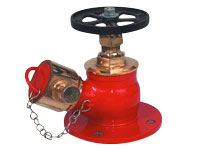
Fire Hydrant systems with fire hoses are a very effective tool for internal firefighting for trained professionals, however are not designed for use by individuals with no training, and can be quite dangerous to those attempting to fight a fire without the relevant skills and knowledge. This is a problem that can be easily overcome by ensuring building employees are trained appropriately, or better still developing onsite fire response teams.

As I have discussed in an earlier article, fire standards from different countries are not always the answer for Cambodia. When it comes to fire hydrants, sprinkler systems and hose reel systems there are some clear examples of quality installations being inappropriate for Cambodia.

The fire service in Cambodia is dramatically improving, however they still have limited resources and training to be able to internally fight fires, particularly in larger buildings. Most fire codes or standards are designed with the response procedures of local fire authorities taken into account, which in the case of Singapore or Malaysia for example are some of the best trained and equipped fire services in the world. Applying these standards to Cambodia without looking at the difference in response capability, and the impact this will have can be very dangerous.

Other installations which are commonly found in Cambodia due to the application of international standards include dry risers systems and sprinkler or hydrant boost points which are currently a waste of resources as the majority of firefighting vehicles used in Cambodia are not designed to work with these installations. Investment in higher capacity fire pumps and effective internal procedures would be a far more efficient option.

- Video Advertisement -

Related Post

Australia Backs Mega Solar Project via Infrastructure Bonds

Through a partnership with SchneiTec Jupiter, a $150 million infrastructure bond aims to expand domestic solar capacity and reduce reliance on volatile fuel imports. The Australian Government is actively paving the way for large-scale investments into Cambodia’s clean energy ecosystem, aiming to significantly decrease the Kingdom’s dependence on foreign fuel imports in the coming years. […]

A $117 Million Economic Lifeline: Prime Minister Hun Manet Inaugurates Newly Expanded National Road 7

The newly upgraded 4-lane highway connecting Skun and Kampong Cham town is projected to deliver a 15.27% economic return, slashing travel times and boosting agricultural trade… In a major boost to Cambodia’s internal logistics network, a vital 45.489-kilometer section of National Road 7 connecting the Skun roundabout to the Kizuna Bridge roundabout in Kampong Cham […]

Borey Peng Huoth Partners with FTB to Launch Unprecedented 7.25% Fixed-Rate Home Loans

On the morning of July 11, 2026, a milestone partnership took place at the Borey Peng Huoth Grand Star Platinum sales office located in Chbar Ampov district. Borey Peng Huoth, one of Cambodia’s premier residential developers, officially signed a Memorandum of Understanding (MoU) with the Foreign Trade Bank of Cambodia (FTB) to introduce an exclusive […]

Toyota Launches Advanced Hilux Travo Assembly Line in Cambodia

Presided over by high-level Cambodian and Japanese officials, the manufacturing expansion drives local sourcing to 20% and signals surging global corporate confidence in the Kingdom’s industrial ecosystem. Toyota Tsusho Manufacturing (Cambodia) has officially inaugurated a state-of-the-art production line for its globally recognized next-generation vehicle, the Toyota Hilux Travo, marking a pivotal expansion in Cambodia’s rapidly […]

France Advances Massive Canal Project with Digital Engineering

France is currently undertaking the construction of the Seine-Nord Europe Canal, a €7.3 billion project set to become the continent’s most ambitious waterway initiative in a century. Stretching 107 kilometers, the canal will provide France with direct freight access to major northern European ports like Rotterdam and Antwerp. To overcome the immense engineering challenges of […]

Maritime Geopolitical Rivalry Intensifies as Vietnam Accelerates $4 Billion Deep Sea Port Project in the Far South

The massive infrastructure development on Hon Khoai Island serves as both an economic gateway for the Mekong Delta and a strategic maritime shield amid shifting regional dynamics Ho Chi Minh City: The geopolitical and trade landscape of Southeast Asia is entering a highly competitive phase as nations across the region race to build strategic advantages. […]