 English
  ខ្មែរ
ខ្មែរ 
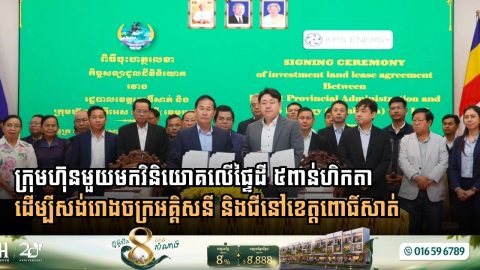
KPS Energy Secures 5,000 Hectares in Pursat for Multi-Facility Development
- 27 August 2026

Combining 90 megawatts of clean biomass and solar power generation with local fertilizer and agro-processing plants, the major project aims to generate thousands of jobs and boost economic sustainability Pursat province is set to host a major integrated green energy and agro-industrial development following a formal land lease agreement signed between the Pursat Provincial Administration […]
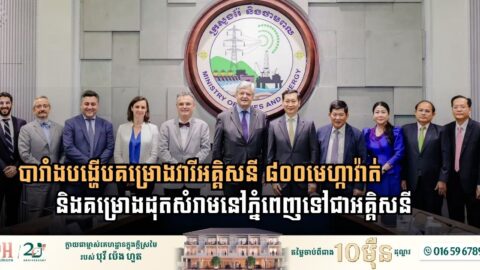
France and Cambodia Forge Billion-Dollar Energy and Infrastructure Alliance
- 21 July 2026
The economic landscape of Cambodia is on the verge of a magnificent sustainability leap as major French enterprises reveal ambitious plans to invest heavily in the Kingdom’s clean energy grid. During a landmark bilateral meeting held on July 9, 2026, Nicolas Forissier, the French Minister Delegate attached to the Minister for Europe and Foreign Affairs, […]
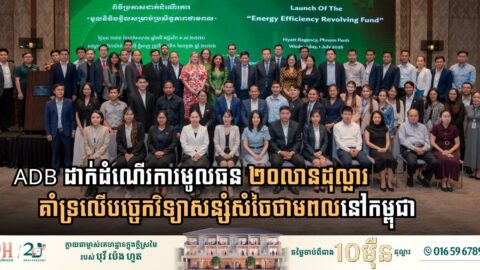
ADB Deploys $20 Million Fund to Power Cambodia’s Energy Efficiency Transition
- 14 July 2026
Backed by the UK and the Green Climate Fund, the new revolving initiative aims to slash national energy consumption by 19% by 2030 while insulating local businesses from global fuel volatility. In a decisive move to bolster Cambodia’s green transition and protect domestic enterprises from external economic disruptions, the Asian Development Bank (ADB) has officially […]
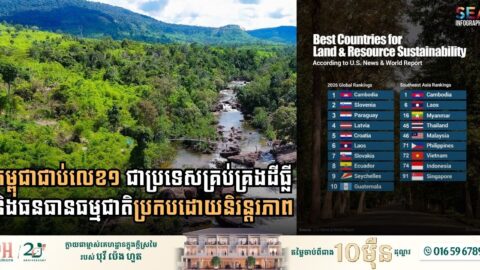
Cambodia Clinches Top Global Spot for Sustainable Land and Natural Resource Management in 2026 Rankings
- 8 July 2026
The Kingdom leads international environmental stewardship ahead of Slovenia and Paraguay according to a definitive global assessment by US News and World Report In a momentous milestone for its environmental policy and conservation efforts, Cambodia has been ranked number one globally for sustainable land and natural resource management in 2026. The landmark announcement was officially […]
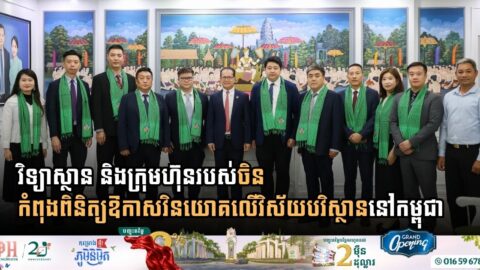
Chinese Research Institute and Major Corporations Explore Strategic Green Investment Opportunities in Cambodia
- 3 July 2026
In a significant move toward fostering sustainable economic ties, a high-level Chinese delegation comprising leaders from a prominent research institute and several major corporations has initiated talks to explore green investment opportunities within Cambodia. The collaborative effort took center stage during an official meeting held on the afternoon of June 23, 2026, at the Ministry […]
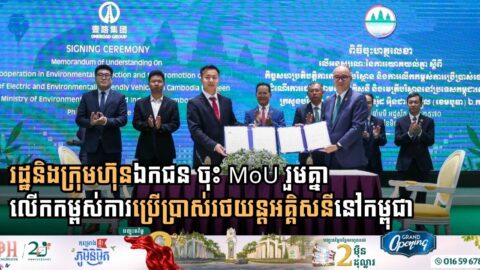
Cambodia Allies with Private Sector to Drive National Electric Vehicle Adoption
- 19 June 2026
The Ministry of Environment and One Road Industrial sign a milestone agreement to curb transport emissions and advance toward the 2050 carbon neutrality goal The Ministry of Environment and One Road Industrial Cambodia Co Ltd officially signed a Memorandum of Understanding on 8 June 2026 to strengthen environmental protection and accelerate the adoption of electric […]