 English
  ខ្មែរ
ខ្មែរ 

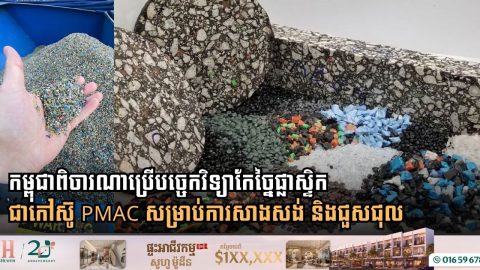
Ministry of Public Works Supports Plastic-Modified Asphalt Technology for Sustainable Road Infrastructure
- 11 October 2026
ក្រសួងសាធារណការ គាំទ្របច្ចេកវិទ្យាកែច្នៃផ្លាស្ទិកជាកៅស៊ូ PMAC សម្រាប់ការសាងសង់ និងជួសជុលផ្លូវប្រកបដោយចីរភាព ថ្នាក់ដឹកនាំក្រសួងទទួលជួបតំណាងក្រុមហ៊ុន AGC Innovate មកពីប្រទេសស្រីលង្កា ដើម្បីរៀបចំ «គម្រោងសាកល្បង» ប្រើប្រាស់បេតុងកៅស៊ូលាយសំណល់ផ្លាស្ទិក ដែលអាចប្រើប្រាស់ផ្លាស្ទិកសំណល់បានរហូតដល់ ៣ តោនក្នុងផ្លូវ ១ គីឡូម៉ែត្រ ទីស្តីការក្រសួង៖ ការបំប្លែងសំណល់ផ្លាស្ទិកឱ្យទៅជាសមាសភាគបច្ចេកវិទ្យាក្នុងការកសាង និងថែទាំហេដ្ឋារចនាសម្ព័ន្ធផ្លូវថ្នល់ បានប្រែជាដំណោះស្រាយនវានុវត្តន៍ដ៏មានប្រសិទ្ធភាពក្នុងការកាត់បន្ថយផលប៉ះពាល់បរិស្ថាន បង្កើនភាពធន់នៃសំណង់ផ្លូវថ្នល់ និងកាត់បន្ថយចំណាយនៃការជួសជុល។ ក្នុងអំឡុងចុងខែកញ្ញា ឆ្នាំ២០២៦ ថ្នាក់ដឹកនាំក្រសួងសាធារណការ និងដឹកជញ្ជូន បានរៀបចំជំនួបពិភាក្សាការងារបច្ចេកទេសជាបន្តបន្ទាប់ជាមួយតំណាងក្រុមហ៊ុន AGC Innovate (Pvt) Ltd ដែលជាក្រុមហ៊ុនឯកទេសមកពីប្រទេសស្រីលង្កា ដើម្បីសិក្សា និងជំរុញការអនុវត្តបច្ចេកវិទ្យាកែច្នៃសំណល់ផ្លាស្ទិករួមផ្សំជាមួយកៅស៊ូ Asphalt Concrete ដែលហៅថា Plastic Modified Asphalt Concrete (PMAC) សម្រាប់ប្រើប្រាស់ក្នុងវិស័យសាងសង់ផ្លូវថ្នល់នៅកម្ពុជា។ កាលពីថ្ងៃទី២៩ ខែកញ្ញា ឆ្នាំ២០២៦ ឯកឧត្តម រស់ វណ្ណា រដ្ឋលេខាធិការក្រសួងសាធារណការ និងដឹកជញ្ជូន បានដឹកនាំកិច្ចប្រជុំពិភាក្សាជាមួយតំណាងក្រុមហ៊ុនលោកស្រី Kamesha Samaranayake […]
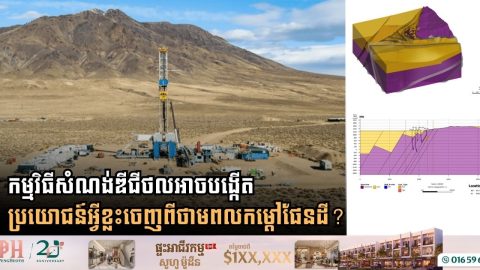
Digital Workflows Could Help Geothermal Energy Finally Scale Up
- 11 October 2026
Digital technologies are helping transform geothermal energy development by making projects more efficient, scalable and easier to manage, according to a recent industry analysis. Geothermal energy provides a reliable, low-emission source of power that can operate around the clock, unlike renewable sources that depend on weather conditions. However, high upfront costs, exploration uncertainty and the […]

Industry Ministry Opens 3rd Cambodia Circular Economy Forum, Urging Practical Industrial Implementation
- 11 October 2026
Minister Hem Vanndy frames circular economy as a driver for national competitiveness, efficiency, and supply chain resilience beyond basic waste management Phnom Penh: Transitioning from traditional linear production models toward a circular economy has emerged as a crucial strategy for bolstering Cambodia’s industrial competitiveness, resource efficiency, and environmental resilience. On Wednesday, September 30, 2026, Minister […]

Can AI Help Solve the World’s Engineering Shortage?
- 10 October 2026
The infrastructure industry is facing a growing shortage of engineers even as demand for bridges, roads, power networks, and other projects continues to rise. Bentley Systems is turning to artificial intelligence to help engineers work faster while keeping human expertise at the center of critical decisions. Bentley’s approach combines AI’s ability to understand language, reason […]
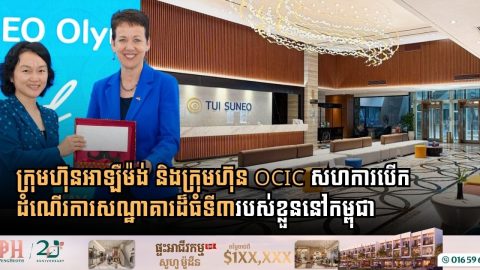
Hospitality Expansion: Germany’s TUI Group and OCIC Launch TUI Suneo Olympia Phnom Penh as Third Major Cambodian Hotel
- 10 October 2026
German tourism and hospitality giant TUI Hotels & Resorts, in collaboration with the Overseas Cambodian Investment Corporation, officially inaugurated TUI Suneo Olympia Phnom Penh on September 30, 2026. The grand opening ceremony was presided over by Minister of Tourism H.E. Huot Hak, marking the official brand debut of TUI Suneo in the Kingdom and expanding […]

Bentley Systems Announces Winners of the 2026 Year in Infrastructure Awards
- 9 October 2026
New cycle of AI-enabled innovation is helping engineers solve harder problems faster SINGAPORE – (The Bentley Systems 2026 Year in Infrastructure Event) – October 7, 2026 – Bentley Systems, Incorporated (Nasdaq: BSY), the infrastructure engineering software company, today announced the winners of the 2026 Year in Infrastructure Awards. For more than 20 years, the awards have […]