 English
 ខ្មែរ


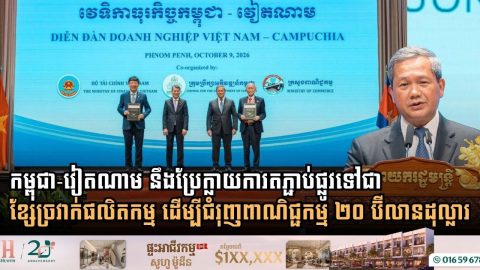
Cambodia and Vietnam Forge Ahead to Hit the $20 Billion Trade Target
- 20 October 2026
Turning physical infrastructure into synchronized industrial corridors to deepen bilateral economic integration. Cambodia and Vietnam are setting their sights on a more integrated economic future, pivoting from simple cross-border transit toward tightly linked production networks and industrial value chains. The strategic push aims to drive bilateral trade turnover toward an ambitious $20 billion milestone. The […]
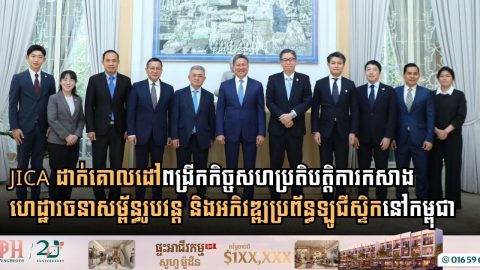
JICA Targets Expansion in Physical Infrastructure, Logistics, and Japanese Direct Investment in Cambodia
- 18 October 2026
The Japan International Cooperation Agency has expressed a strong intention to expand its development cooperation with Cambodia, focusing on building physical infrastructure, advancing logistics system development, and channeling additional foreign direct investment from Japan to the Kingdom. The strategic dialogue took place on Friday, October 2, 2026, during a high-level meeting between H.E. Sun Chanthol, […]
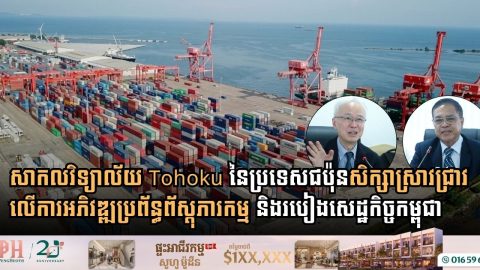
Japan’s Tohoku University Research on Cambodia’s Logistics Systems and Economic Corridor Development
- 8 October 2026
MPWT Undersecretary Vasim Sorya meets Japanese delegation led by Professor Yukiharu KOBAYASHI to review JICA-backed logistics initiatives and cross-border transport strategies Phnom Penh: Modernizing national logistics networks and optimizing key economic corridors remain fundamental drivers for lowering transport costs and strengthening Cambodia’s regional competitiveness. On September 30, 2026, at the Ministry of Public Works and […]
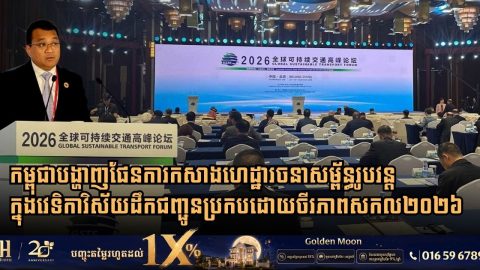
Advancing Sustainable Transport: Cambodia’s Vision for Economic Resilience and Regional Integration
- 2 October 2026
Cambodia highlights infrastructure progress under Pentagonal Strategy–Phase I, emphasizing multi-modal transport development, reduced logistics costs, and smart digital systems Beijing: Advancing sustainable transport systems and embracing digital innovation have become essential drivers for reinforcing economic resilience, facilitating international trade, and deepening regional integration. On the morning of September 22, 2026, during the Global Sustainable Transport […]
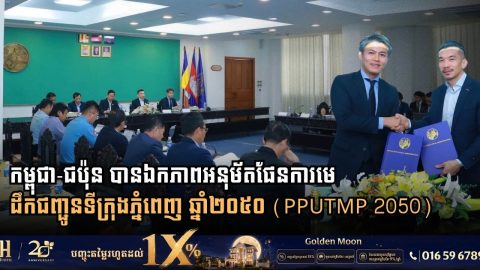
Cambodia and Japan formally adopt the Phnom Penh Urban Transport Master Plan 2050
- 1 October 2026
The Phnom Penh Capital Administration and the Japan International Cooperation Agency officially signed off on the completion, adoption, and handover of the Phnom Penh Urban Transport Master Plan 2050 on September 17, 2026. The formal endorsement took place during the fifth Joint Coordinating Committee meeting under the Project for Development of Integrated Urban Transport Management […]
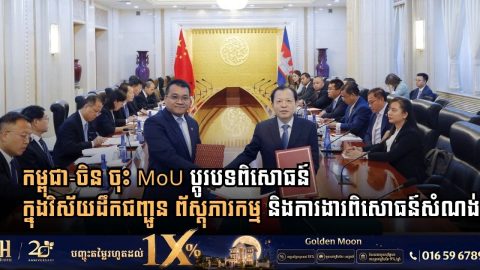
Cambodia and China Sign MoU to Elevate Capacity Building, Logistics, and Infrastructure Technology
- 1 October 2026
The Ministry of Public Works and Transport of Cambodia and the Ministry of Transport of the People’s Republic of China signed a Memorandum of Understanding on transport capacity building cooperation on September 21, 2026. The strategic agreement was formalized during a high-level bilateral meeting held in China between H.E. Peng Ponea, Cambodia’s Minister of Public […]